Table of Contents
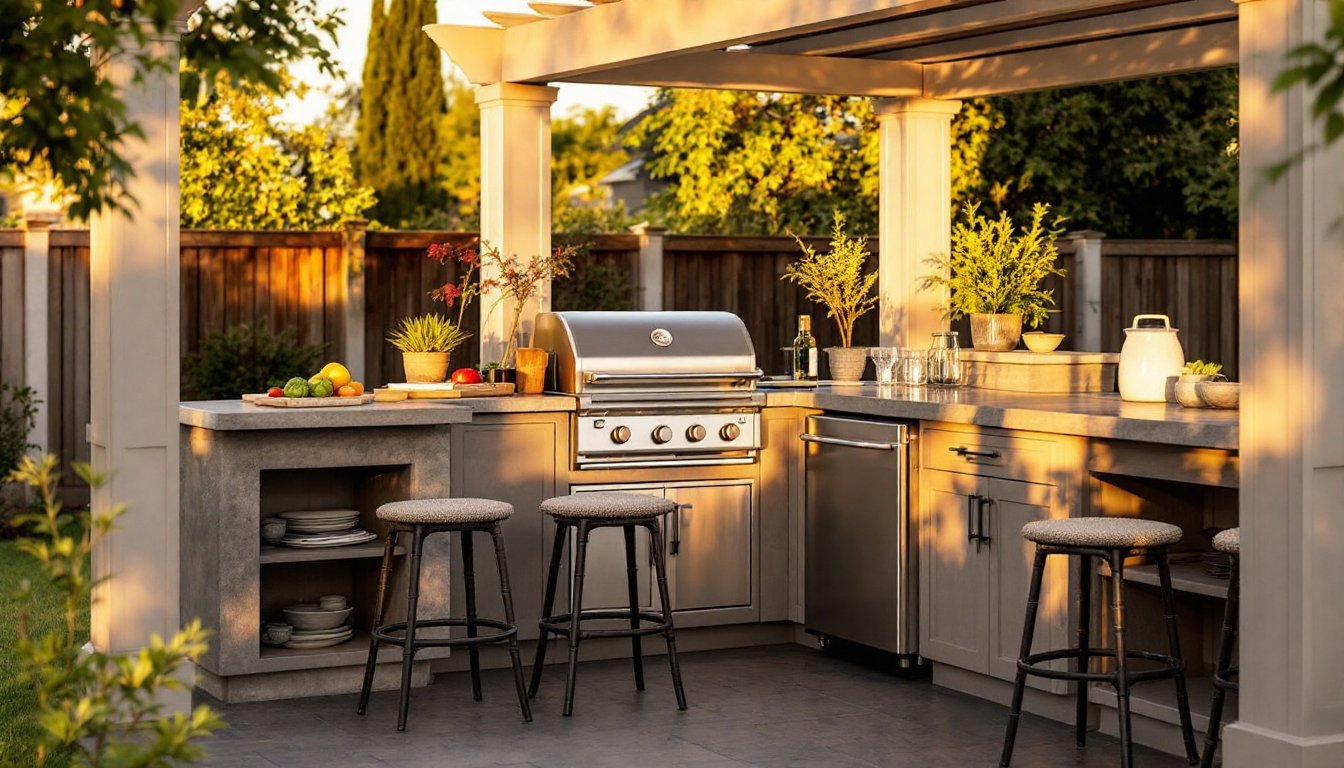
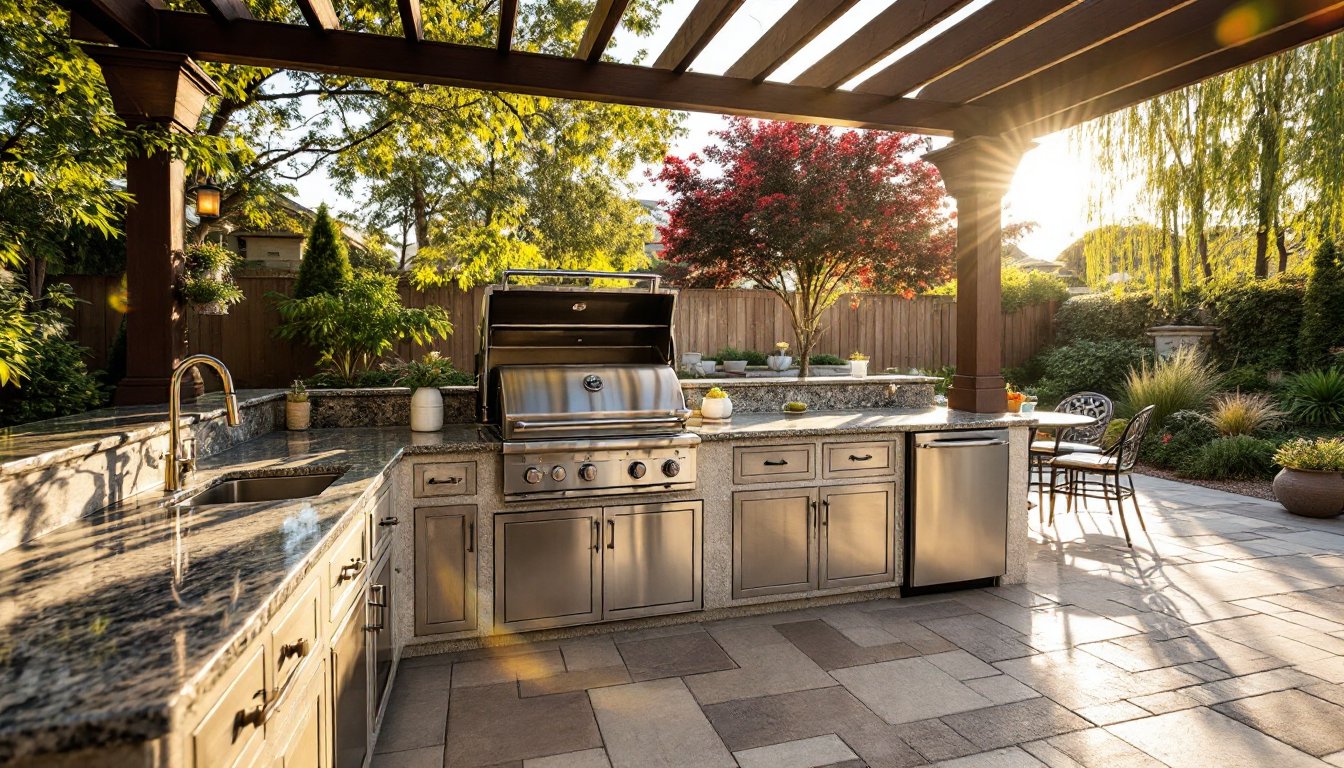
ToggleOutdoor kitchens have gone from luxury add-ons to practical extensions of the home, but sticker shock often stops homeowners before they start. The truth is, building a functional outdoor kitchen doesn’t require spending five figures on custom cabinetry. In 2026, there are more ways than ever to find affordable outdoor kitchen cabinets that actually withstand weather, UV rays, and heavy use, without cutting corners on materials or construction. This guide walks you through the realistic options, where to source budget-friendly pieces, and how smart assembly choices can stretch your dollar further.
Key Takeaways
- Cheap outdoor kitchen cabinets with stainless steel frames paired with marine plywood or composite panels deliver durability and weather resistance without five-figure price tags.
- Avoid untreated hardwoods and standard plywood outdoors—instead, choose powder-coated aluminum, composite materials, or properly sealed stainless steel to prevent costly replacements within years.
- Online retailers, big-box clearance sections, and local cabinet shops offer 30–50% savings on affordable outdoor kitchen cabinets compared to custom builds, and many provide free design layouts.
- DIY assembly of flat-pack cabinets can save hundreds in labor costs if you have basic tools and follow instructions carefully, starting with frame assembly before attaching back panels and doors.
- Apply a final outdoor-grade sealant coat like marine spar urethane after assembly to extend cabinet life by years and protect against moisture infiltration from weather exposure.
Why Outdoor Kitchen Cabinets Are Worth the Investment
Outdoor kitchen cabinets aren’t just about convenience, they’re structural and functional anchors for your cooking space. Unlike indoor kitchen cabinetry, outdoor pieces take a beating from temperature swings, moisture, salt spray (if coastal), and constant UV exposure. Without proper storage that resists warping and rot, you’re left with nowhere to stash grilling tools, serving dishes, or cleaning supplies.
A well-built cabinet protects your investment in appliances and keeps your outdoor cooking area organized and efficient. When you find affordable outdoor kitchen cabinets that are engineered for weather resistance, you avoid the costly mistake of buying cheap once and replacing twice. The goal isn’t luxury, it’s durability matched to real-world budget constraints. That means understanding materials, knowing where manufacturers cut corners (and where they don’t), and shopping smart.
Budget-Friendly Materials That Hold Up to Weather
Not all outdoor cabinetry materials are created equal, and price doesn’t always equal longevity. Here’s what actually works on a budget.
Stainless Steel Frames with Weather-Resistant Panels
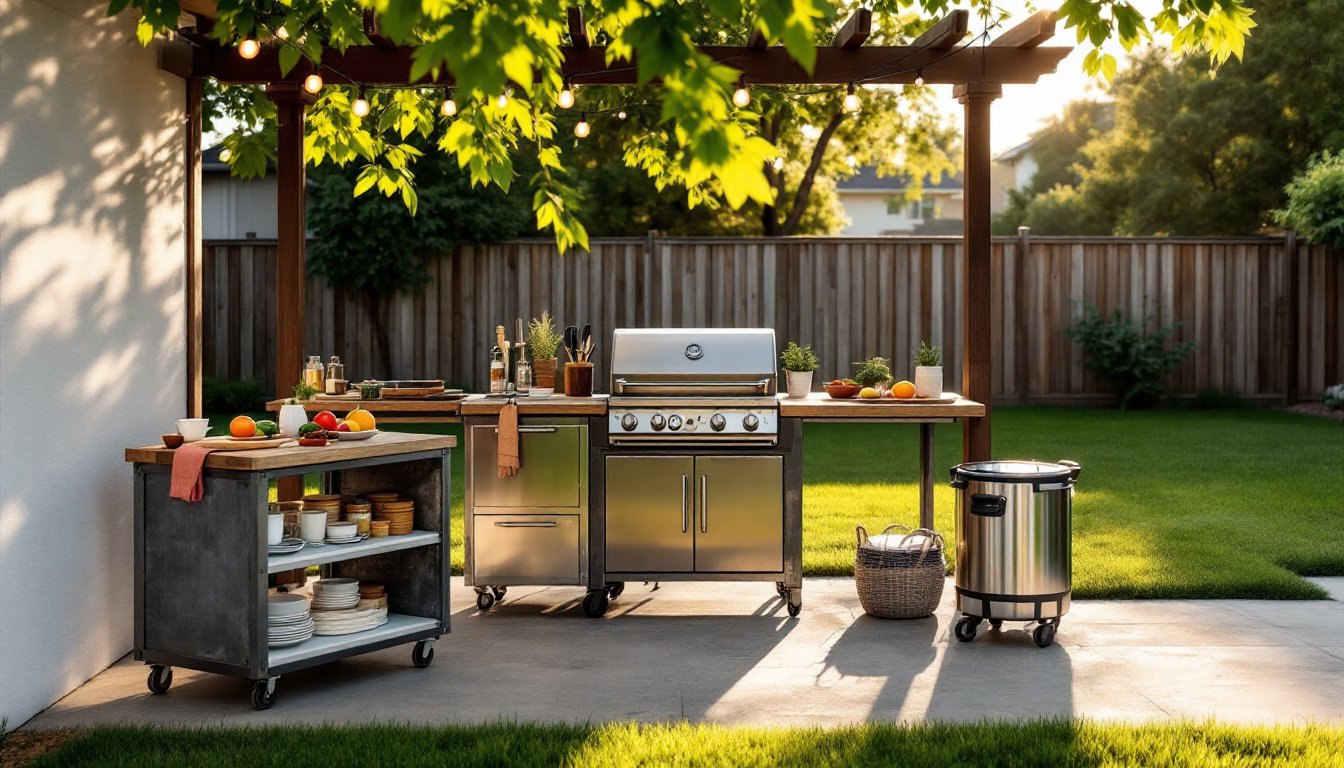
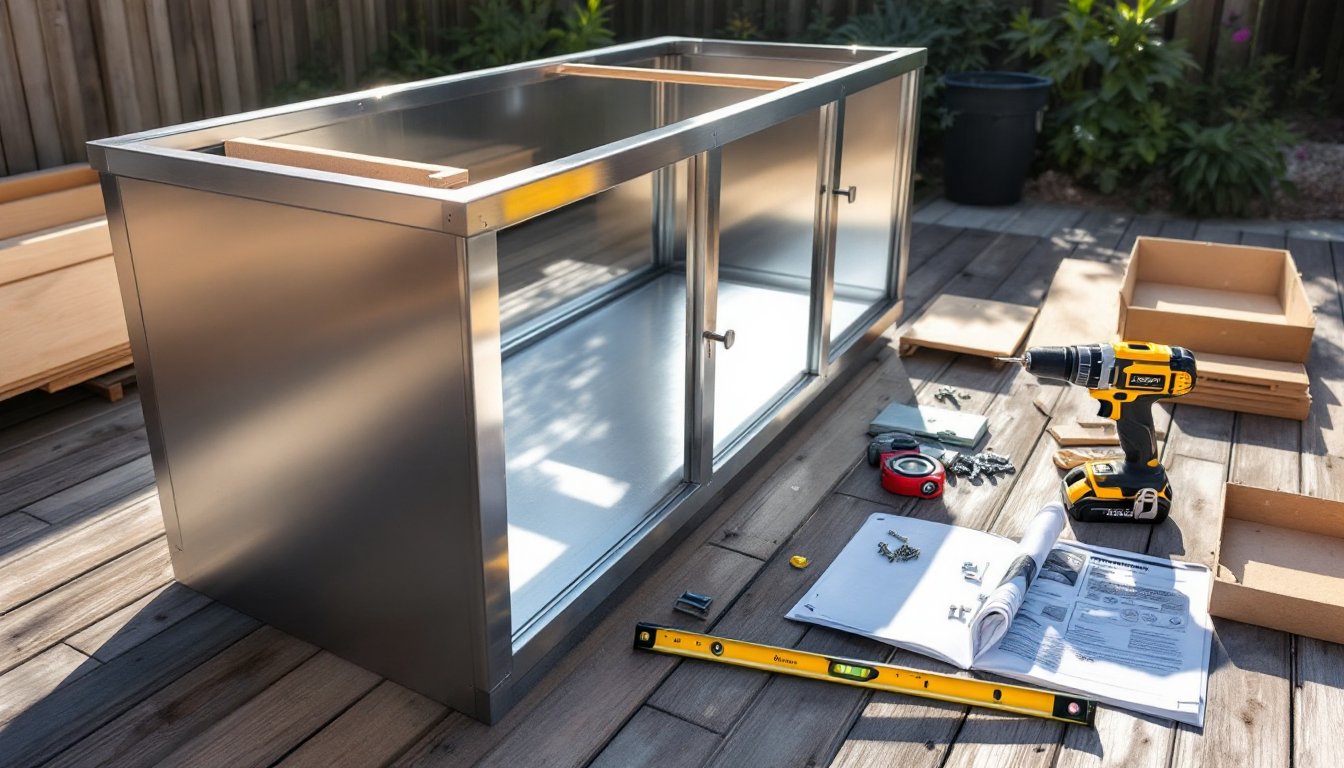
Stainless steel is the workhorse of outdoor kitchens. It won’t rust (unless it’s low-grade), doesn’t absorb moisture, and cleans easily. Affordable outdoor kitchen cabinets often pair 304 stainless steel frames with composite or marine plywood panels, a practical trade-off that keeps costs down while maintaining weather resistance. Marine plywood uses exterior-grade adhesives and tighter ply spacing, resisting delamination better than standard plywood. Expect to pay slightly more for marine-grade, but it outlasts standard exterior plywood by years.
Composite and Recycled Plastic Materials
Composite decking and cabinetry materials (often blended from wood fiber and recycled plastic) won’t rot, don’t need sealing, and resist fading better than traditional wood. They’re lighter than concrete or stone, easier to install, and typically cost 20–30% less than pressure-treated hardwood alternatives. The downside: they can scratch more easily and aren’t as heat-resistant if placed directly adjacent to grills.
Powder-Coated Aluminum and Steel
Aluminum naturally resists corrosion, but exterior-grade powder coating (applied over a primer) makes it bulletproof for outdoor use. Steel cabinets need the coating more urgently to prevent rust, but when properly finished, they’re affordable and sturdy. Check that the coating is rated for outdoor use and UV resistance, not all powder coats are equal.
What to Avoid on a Budget
Skip untreated hardwoods and standard interior plywood outdoors, you’ll be replacing them within 3–5 years. Avoid cabinets with particle board backing or non-sealed seams where moisture can creep in. If a cabinet is advertised as “outdoor-ready” but uses standard latex paint instead of marine-grade sealant, it’s a corner-cut you’ll regret.
Where to Shop for Affordable Outdoor Kitchen Cabinets
###Online Retailers and Direct Manufacturers
Online-only cabinet makers often bypass showroom and sales costs, passing savings to you. Retailers specializing in modular outdoor cabinetry let you configure your setup without paying for custom design work. Many offer CAD-drawn layouts for free so you can visualize your kitchen before ordering. Shipping can be steep for cabinets, so factor in that cost upfront. Read reviews carefully, some budget manufacturers skimp on hardware or finish quality. That said, you’ll find solid builds at 30–40% less than local custom shops.
Manufacturers like Ana White publish free outdoor cabinet plans and material lists so you can source components yourself or hire a local builder to assemble them, often a cost-effective middle path. Direct-to-consumer brands eliminate middlemen, and many offer financing options that ease the financial blow on larger orders.
###Local Home Improvement Stores and Clearance Options
Big-box home improvement retailers (Home Depot, Lowe’s) stock modular outdoor cabinetry in standard sizes. These units aren’t customized, but they’re immediately available and returnable if something arrives damaged. Clearance sections, both in-store and online, are goldmines for affordable outdoor kitchen cabinets. Discontinued colors, floor models, or slight cosmetic imperfections are often marked 30–50% off.
Local kitchen and bath showrooms sometimes liquidate displays or previous-year models. Call ahead and ask if they stock or can order outdoor cabinetry. Local cabinet shops often have cheaper options than you’d expect if you ask for “semi-custom” (standard sizes, custom finish) rather than full custom builds. Building relationships with local contractors can lead to bulk-order discounts on cabinets they no longer need from past jobs.
Established outdoor living tips from experienced builders can guide you toward the right retailers for your region and budget. The best outdoor living spaces often come together through a mix of new stock and smart salvage, don’t overlook Craigslist, Facebook Marketplace, or estate sales for used stainless steel units that just need cleaning and sealing.
DIY Assembly and Installation Tips to Save Money
Many affordable outdoor kitchen cabinets arrive flat-packed or semi-assembled. Handling the assembly yourself can save hundreds in labor costs, if you’re honest about your skill level and have the right tools.
Prep and Planning
Read the assembly instructions completely before opening the first box. Lay out all hardware, panels, and fasteners on a clean, flat surface. Check for damage, missing parts, or defects before you start, returning pieces after assembly is a headache. If the instructions reference pocket hole joinery (a method using angled fasteners hidden inside), you’ll need a pocket hole jig and driver bit: these are worth renting from a tool library rather than buying for a one-off project.
Assembly Basics
- Attach vertical stiles and horizontal rails (the frame) first. Use exterior-grade wood screws and a power drill with a magnetic screwdriver bit to prevent drops and speed up fastening.
- Install any interior shelving or dividers before attaching the back panel, which usually goes on last and squares up the whole unit.
- Attach cabinet feet or a base, checking level with a spirit level as you go. Unlevel cabinets look sloppy and can cause doors to sag over time.
- Hang doors and attach hardware (handles, hinges, latches) after the box is fully assembled and level.
Tools You’ll Need
- Power drill (or use a cordless drill-driver: worth the investment if you don’t have one)
- Pocket hole jig (optional, but common in affordable flat-pack designs)
- Spirit level (a 2-foot is standard for cabinet work)
- Measuring tape and a pencil
- Socket set (some hardware uses bolts instead of screws)
- Rubber mallet (for tapping pieces into place without denting)
Safety and PPE
Wear safety glasses when drilling overhead or when screws could fly. Wear work gloves to prevent splinters and small cuts. If cutting any composite or treated materials, use a dust mask (N95 or better) and work outdoors: some materials release irritants when sawed.
When to Call a Pro
If cabinets need permanent attachment to a concrete patio or deck, and local codes require fastening, hire a licensed contractor familiar with your jurisdiction’s outdoor structure rules. Similarly, if your setup requires gas or electrical rough-in for built-in appliances, that’s not a DIY task. Resources like Fix This Build That offer detailed tutorials on furniture assembly and finishing, which can build your confidence if you’re new to the process.
Finishing and Sealing
After assembly, apply a final coat of outdoor-grade sealant to any raw edges or unfinished wood surfaces. Marine spar urethane or polyurethane designed for exterior use prevents moisture infiltration over time. A single topcoat adds an hour of work but extends cabinet life by years.
Conclusion
Finding affordable outdoor kitchen cabinets in 2026 comes down to smart material choices, knowing where to shop, and being realistic about what you can assemble yourself. How to create the perfect outdoor living space is less about budget and more about making intentional decisions that match your needs and skill level. Stainless steel frames paired with weather-resistant composite or marine plywood offer the best bang for your buck. Shop online manufacturers, clearance sections, and local inventory before settling on a premium custom build. With proper assembly and a protective topcoat, an affordable cabinet setup will serve your outdoor kitchen reliably for a decade or more. Start with a realistic budget, measure twice, and build once.