Table of Contents
ToggleThe best outdoor living spaces don’t happen by accident. They require thoughtful planning, smart furniture choices, and attention to details like lighting and landscaping. Whether you have a sprawling backyard or a compact patio, transforming your outdoor area into a functional retreat is entirely achievable.
Outdoor living has become a priority for homeowners who want to extend their usable square footage. A well-designed exterior space serves multiple purposes, it’s a place to relax, entertain guests, and enjoy meals under open skies. This guide covers practical ideas to help you create an outdoor living area that works for your lifestyle and budget.
Key Takeaways
- The best outdoor living spaces start with a functional layout that separates zones for dining, lounging, and cooking.
- Choose durable, weather-resistant furniture materials like aluminum, teak, or all-weather wicker to withstand sun, rain, and temperature changes.
- Layer task, ambient, and accent lighting to extend outdoor enjoyment well past sunset.
- Select native, low-maintenance plants and use mulch to reduce yard work while keeping your space green and inviting.
- Add heating and cooling solutions like fire pits, patio heaters, or shade sails to enjoy your outdoor living area year-round.
Designing a Functional Outdoor Layout
A successful outdoor living space starts with a solid layout. Think about how you’ll actually use the area before buying a single piece of furniture.
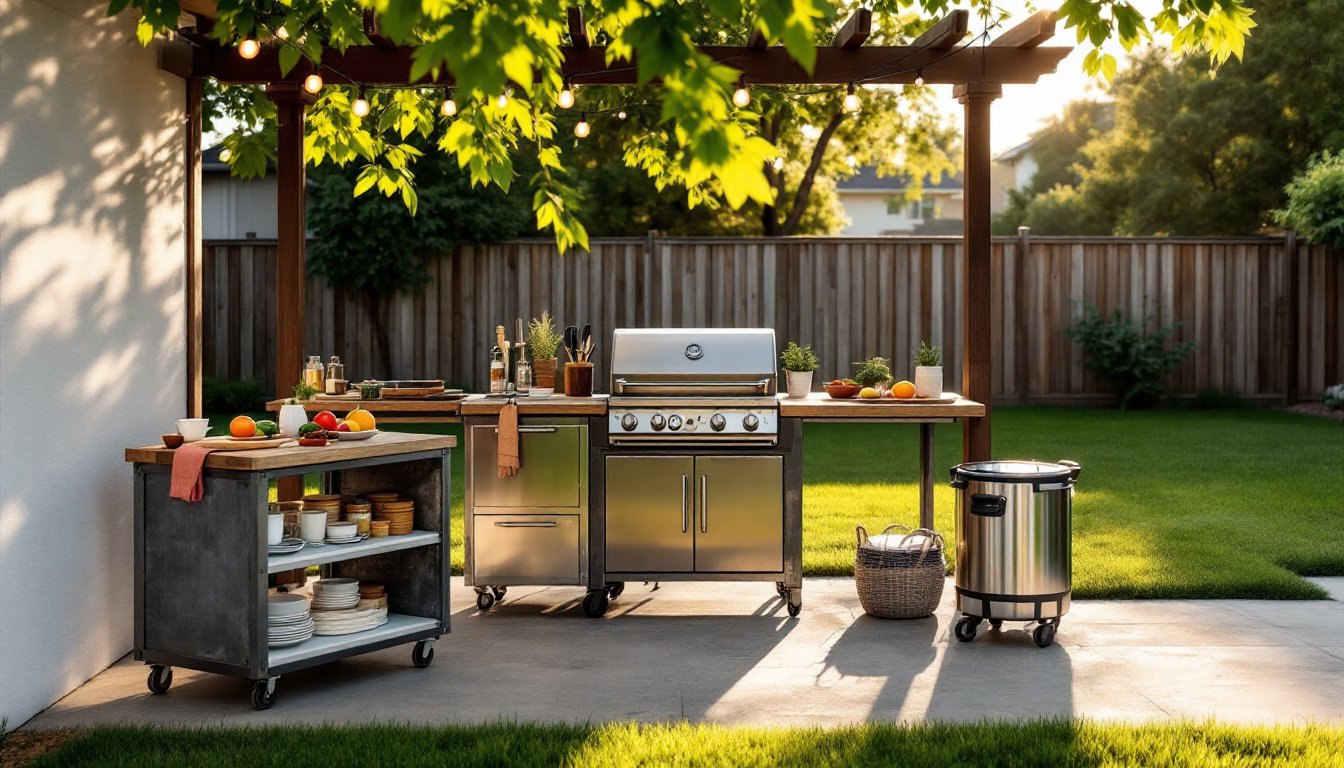
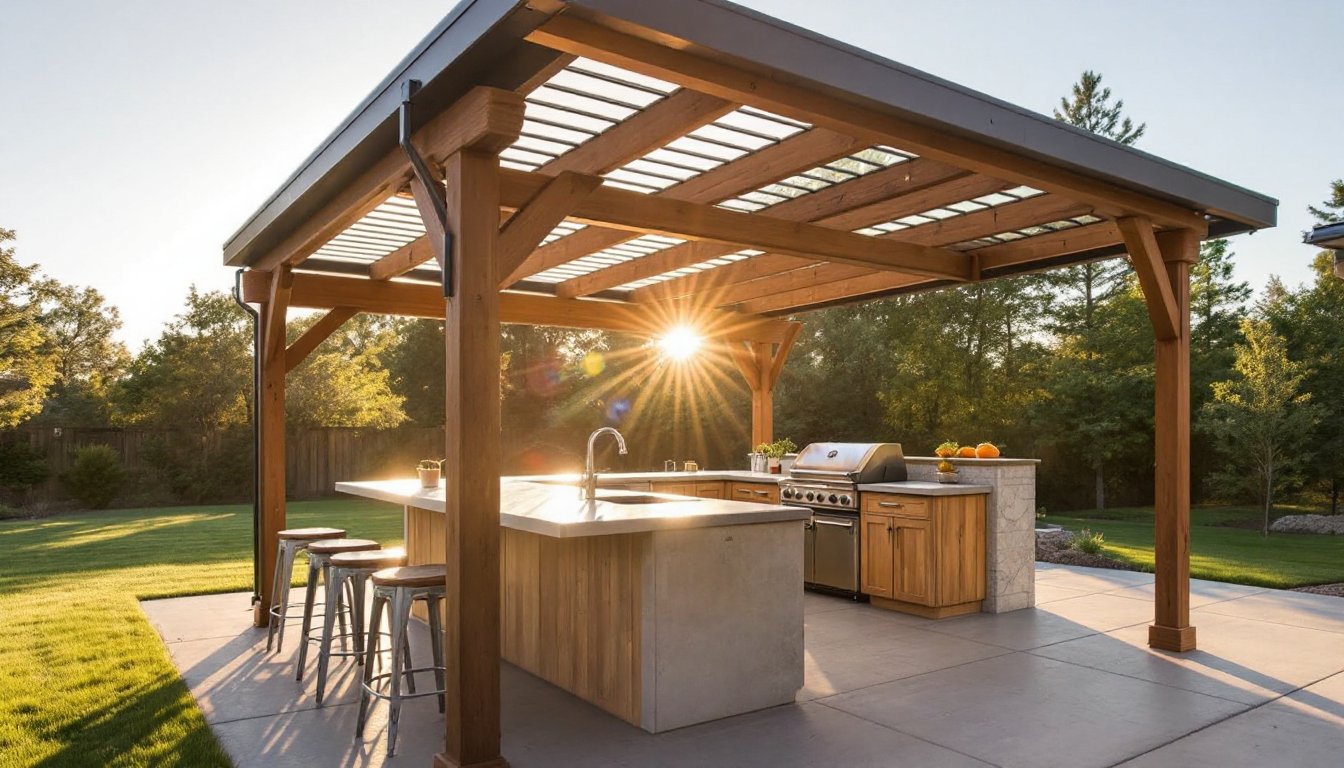
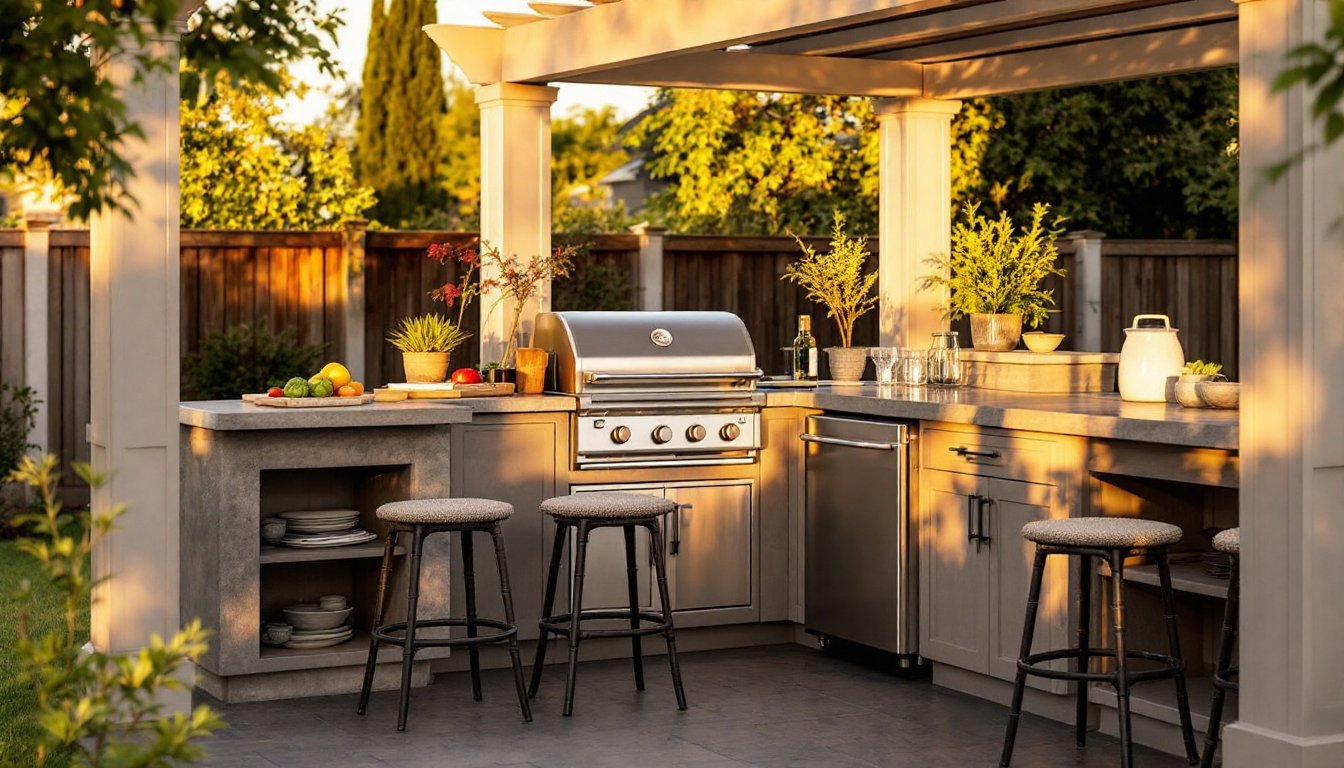
First, identify distinct zones. Most outdoor spaces benefit from separating areas for dining, lounging, and cooking. A dining zone needs room for a table and chairs plus circulation space. A lounge area works best with comfortable seating arranged for conversation. If you grill frequently, position that zone away from seating to manage smoke and heat.
Consider traffic flow between zones. People should move easily from one area to another without squeezing past furniture. Leave at least three feet between major pieces for comfortable walking paths.
Take note of sun exposure throughout the day. South-facing areas get more direct sunlight, which affects where you place shade structures. Position seating areas where afternoon shade falls naturally, or plan for umbrellas and pergolas.
Don’t forget about privacy. Fencing, trellises with climbing plants, or strategic shrub placement can shield your outdoor living space from neighbors. This creates a more intimate atmosphere for relaxation and entertaining.
Must-Have Furniture and Fixtures
The right furniture makes or breaks an outdoor living experience. Durability matters as much as style when pieces face sun, rain, and temperature swings.
For seating, look at materials built for outdoor conditions. Aluminum frames resist rust and stay lightweight. Teak and eucalyptus wood develop attractive patinas and last for decades with minimal care. All-weather wicker offers a classic look without the fragility of natural rattan.
Dining tables should accommodate your typical group size plus a couple extra seats for guests. Extendable tables work well for smaller spaces that occasionally host larger gatherings.
Add these fixtures to complete your outdoor living setup:
- Fire pit or outdoor fireplace – Extends usability into cooler evenings and creates a natural gathering spot
- Outdoor rug – Defines zones and adds comfort underfoot
- Side tables – Provide surfaces for drinks and snacks near seating areas
- Storage bench or deck box – Keeps cushions and accessories protected when not in use
Invest in quality cushions with UV-resistant and water-repellent fabrics. Cheap cushions fade and mildew within a season, while better options maintain their appearance for years.
Lighting and Ambiance Elements
Lighting transforms an outdoor living area from daytime-only to a space you can enjoy after sunset. Layer different light sources for the best results.
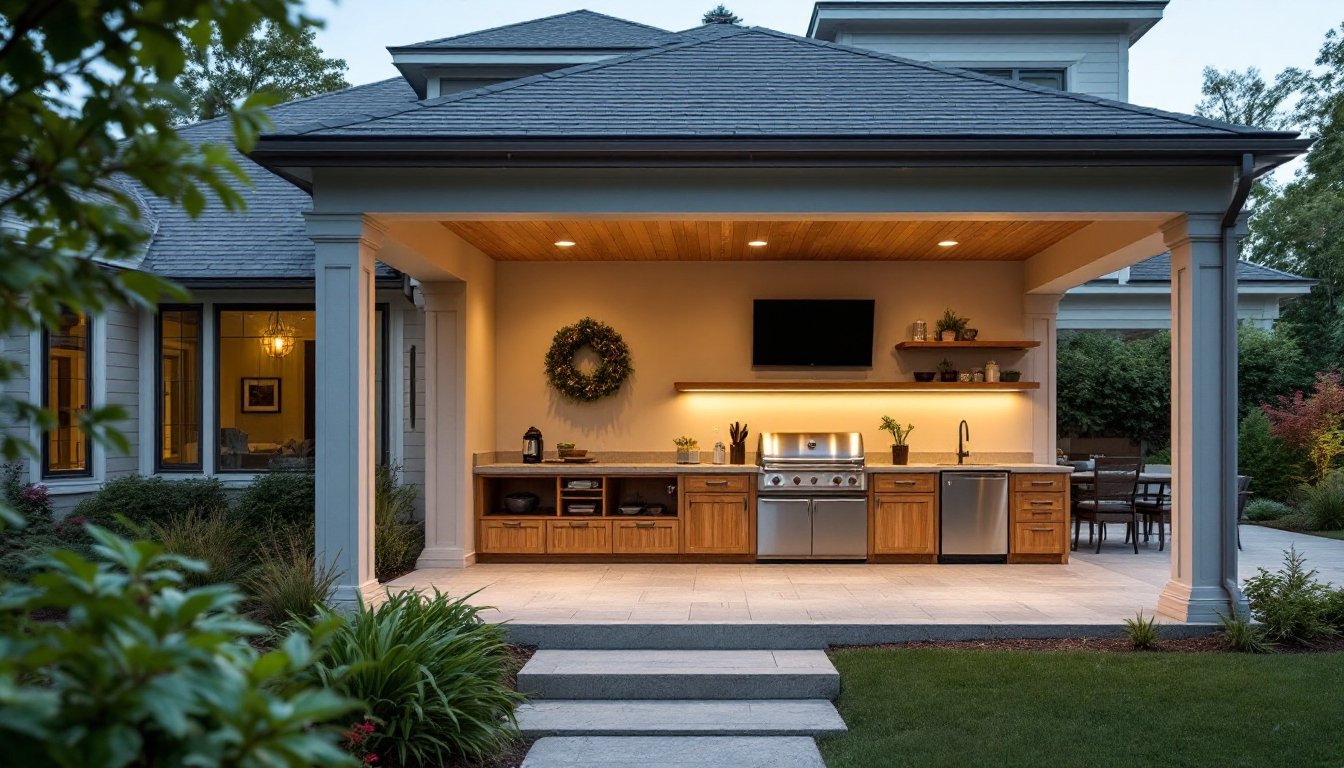
Start with task lighting where you need visibility, over cooking areas, along pathways, and near dining tables. LED fixtures work well outdoors and consume less energy than traditional bulbs.
Ambient lighting creates mood and atmosphere. String lights remain popular because they’re affordable and instantly warm up any space. Lanterns, whether electric or candle-powered, add a welcoming glow to tables and corners.
Accent lighting highlights landscaping features or architectural elements. Uplights positioned at the base of trees create dramatic shadows. Spotlights can draw attention to water features or sculpture.
Solar-powered options have improved significantly. They eliminate wiring concerns and reduce operating costs. Position solar lights where they receive direct sunlight during the day for reliable performance at night.
Dimmers give you control over intensity. Bright lights suit active entertaining, while lower settings create relaxed evening atmospheres. Smart outdoor lighting systems let you adjust everything from your phone.
Low-Maintenance Landscaping Tips
Great outdoor living spaces include greenery, but nobody wants to spend every weekend on yard work. Smart plant choices and design strategies reduce maintenance demands.
Choose native plants adapted to your climate. They require less water, resist local pests, and thrive without constant attention. Check with local nurseries for species that perform well in your area.
Group plants with similar water needs together. This practice, called hydrozoning, prevents overwatering some plants while underwatering others. It also simplifies irrigation system design.
Mulch is your friend. A two to three-inch layer around plants suppresses weeds, retains soil moisture, and regulates root temperature. Organic mulches break down slowly and improve soil quality over time.
Consider these low-maintenance options for outdoor living landscapes:
- Ornamental grasses that sway in breezes and need only annual trimming
- Succulents for dry climates that rarely require watering
- Perennial shrubs that return year after year without replanting
- Ground covers that spread to fill gaps and crowd out weeds
Automatic irrigation systems take daily watering off your to-do list. Drip systems deliver water directly to roots, reducing waste and keeping foliage dry.
Seasonal Considerations for Year-Round Enjoyment
The best outdoor living spaces work across seasons, not just during perfect summer weather. A few additions extend your outdoor season significantly.
Heating solutions make cool evenings comfortable. Propane patio heaters provide instant warmth and move easily between zones. Built-in fire pits serve double duty as heat sources and focal points. Electric heaters work well in covered areas and cost less to operate than gas options.
For hot climates, cooling strategies matter. Ceiling fans under covered structures circulate air effectively. Misting systems lower ambient temperatures by several degrees. Shade sails and retractable awnings block intense midday sun.
Protect furniture and fixtures during harsh weather. Covers extend the life of cushions and prevent moisture damage. Some homeowners store lightweight pieces indoors during winter months.
Seasonal decor refreshes the look of your outdoor living area without major expense. Swap pillow covers, add seasonal plants in containers, or change out tablecloths to reflect different times of year. These small touches keep your space feeling current and inviting.