Table of Contents
ToggleTop outdoor living spaces turn ordinary backyards into functional extensions of the home. Homeowners today want more than a patch of grass, they want areas for cooking, lounging, and entertaining under open skies. The right combination of seating, lighting, fire features, and landscaping can make any outdoor space feel intentional and inviting. This guide covers practical ideas that work for various budgets and yard sizes. Whether the goal is weekend barbecues or quiet evenings by the fire, these strategies help create an outdoor living area worth using year-round.
Key Takeaways
- Top outdoor living spaces combine comfortable seating, cooking areas, fire features, and strategic lighting to extend your home into the backyard.
- Choose weather-resistant materials like aluminum frames, teak wood, and solution-dyed acrylic cushions for furniture that lasts.
- Arrange seating in circular or U-shaped layouts within 8 to 10 feet to encourage natural conversation.
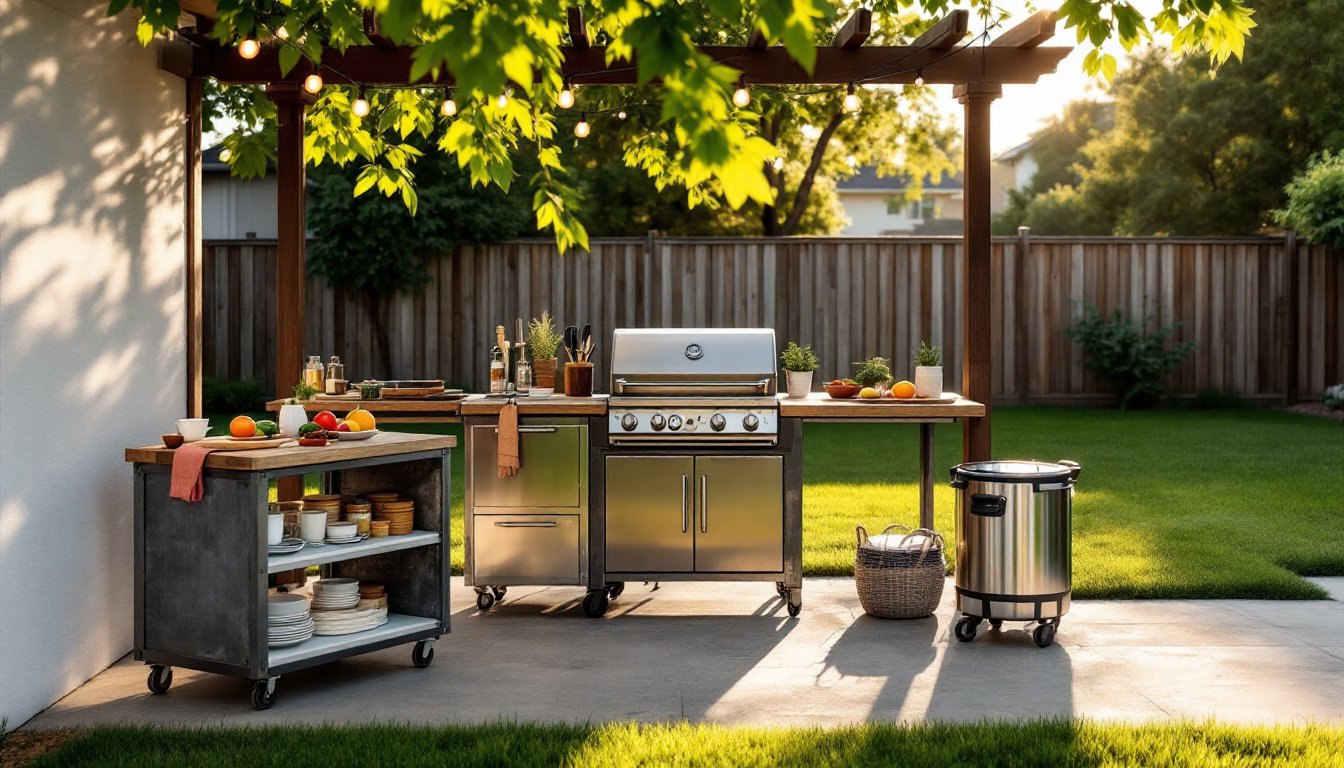
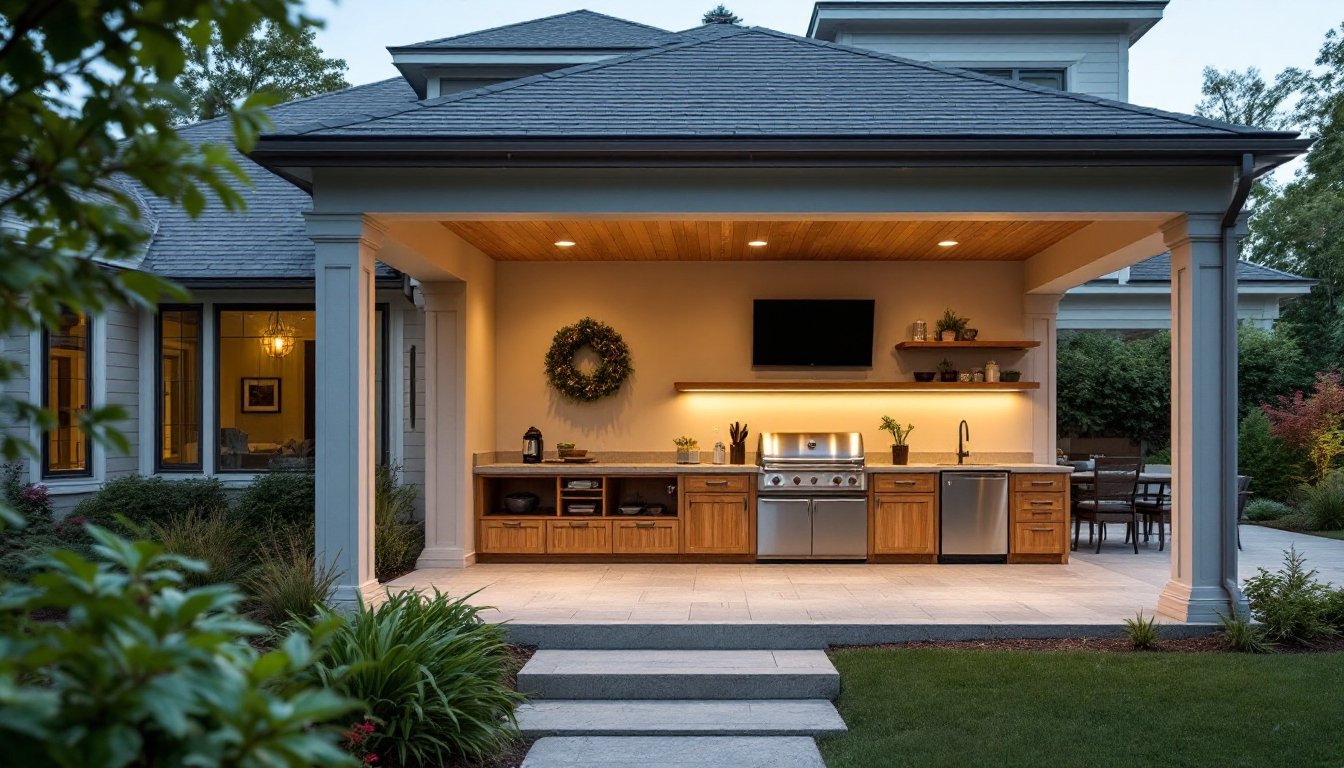
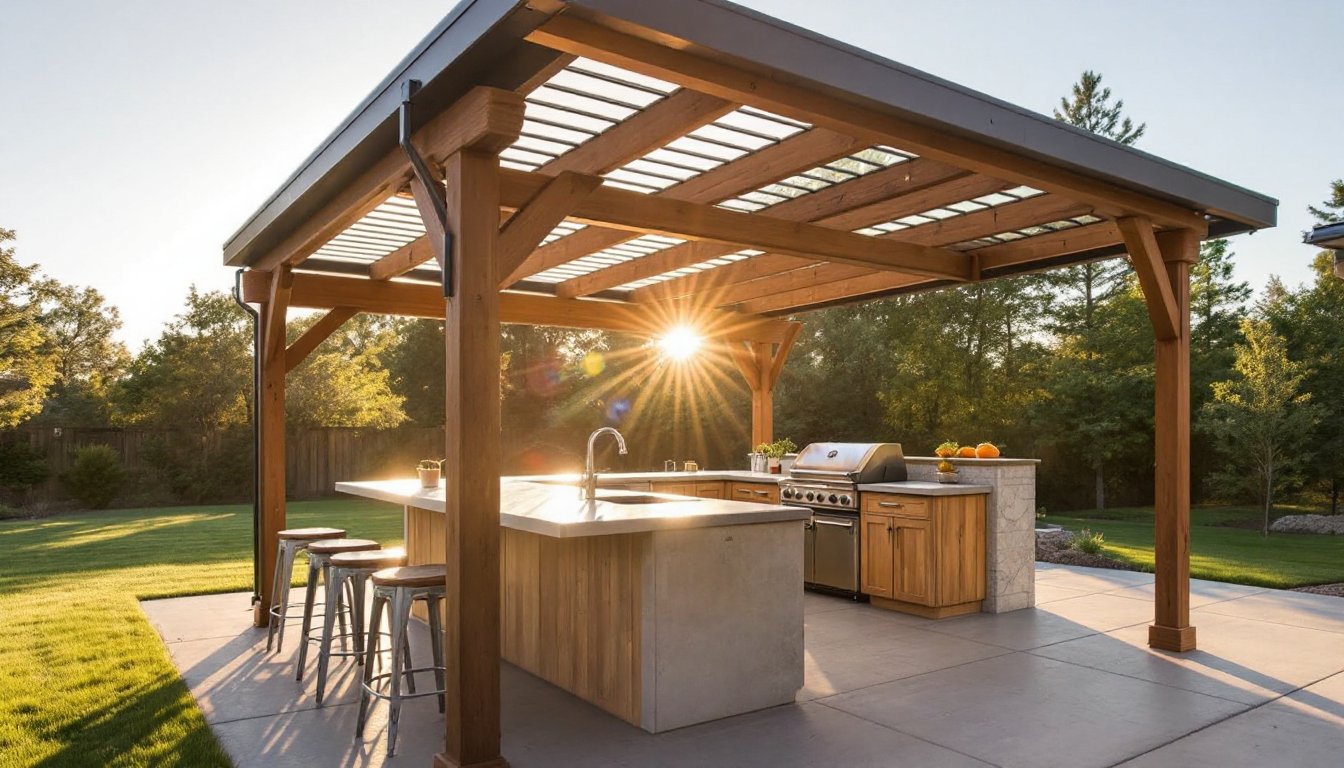
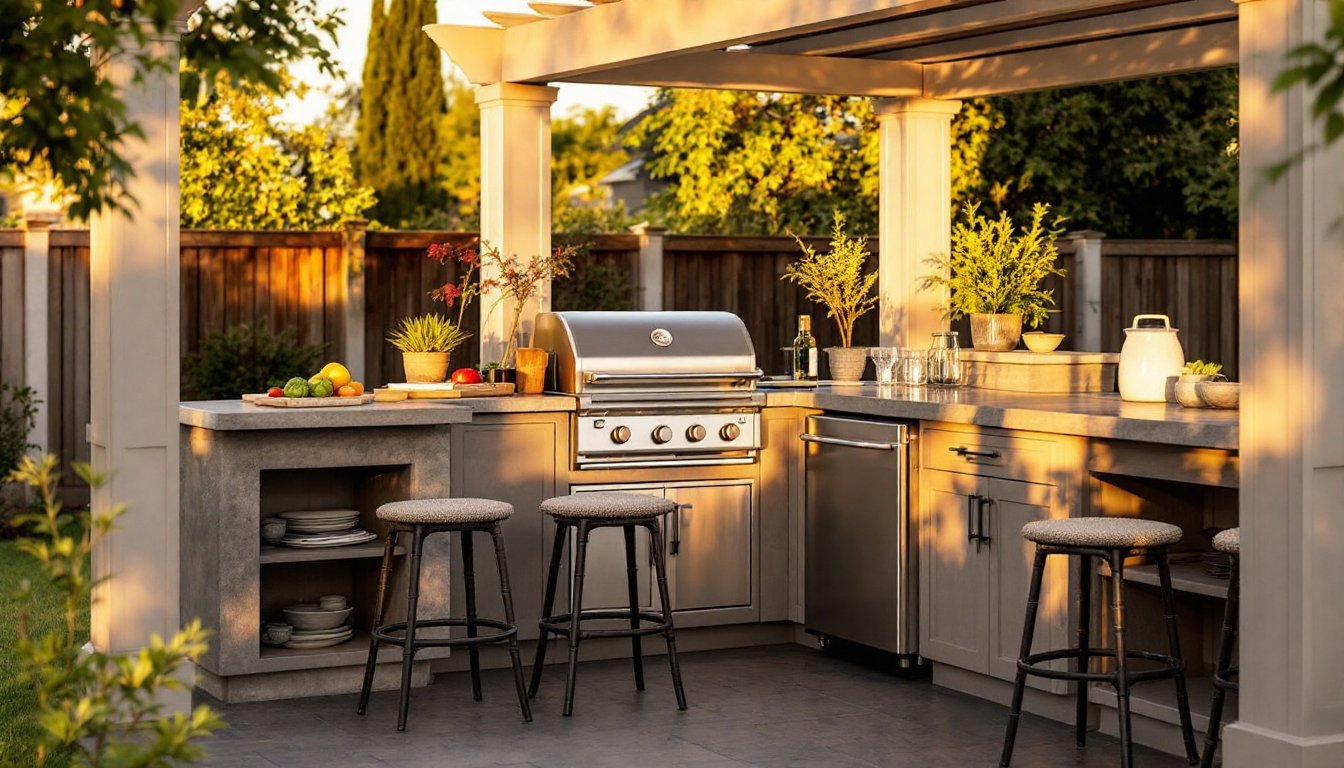
- An outdoor kitchen with quality grill, counter space, and nearby dining area makes hosting easier and keeps the cook involved.
- Layer lighting at multiple heights using warm-toned bulbs (2700K–3000K) to create inviting ambiance after dark.
- Use native, low-maintenance plants and permeable hardscape to tie your outdoor living area together year-round.
Creating Comfortable Outdoor Seating Areas
A great outdoor living space starts with seating that invites people to stay. Comfort matters just as much outside as it does in the living room. The key is choosing furniture that handles weather while still feeling welcoming.
Pick the Right Materials
Outdoor furniture takes a beating from sun, rain, and temperature swings. Aluminum frames resist rust and stay lightweight enough to move around. Teak and eucalyptus wood age beautifully and hold up for years with minimal care. Synthetic wicker offers the look of natural rattan without the cracking or fading.
For cushions, look for fabrics rated for outdoor use. Sunbrella and similar solution-dyed acrylics resist fading and mildew. They dry quickly after rain, a practical benefit that makes a real difference in daily use.
Arrange for Conversation
How furniture is arranged affects how people interact. A circular or U-shaped layout encourages conversation better than rows facing the same direction. Place seating close enough that guests don’t need to shout, typically within 8 to 10 feet of each other.
Consider adding an anchor point like a coffee table or fire pit at the center. This gives the arrangement purpose and creates a natural gathering spot. Side tables within arm’s reach of each seat make drinks and phones easy to set down.
Add Shade and Shelter
Top outdoor living areas include protection from harsh sun. A pergola provides partial shade and adds architectural interest. Cantilever umbrellas offer flexibility, they tilt and rotate to block sun at different angles throughout the day.
For year-round use, a covered patio with ceiling fans extends the comfortable season. Even a simple shade sail can drop temperatures by 10 to 15 degrees underneath.
Outdoor Kitchen and Dining Essentials
Cooking outside changes how families use their yards. It eliminates trips between the kitchen and grill, keeps cooking heat outside during summer, and makes hosting feel more relaxed.
Start With a Quality Grill
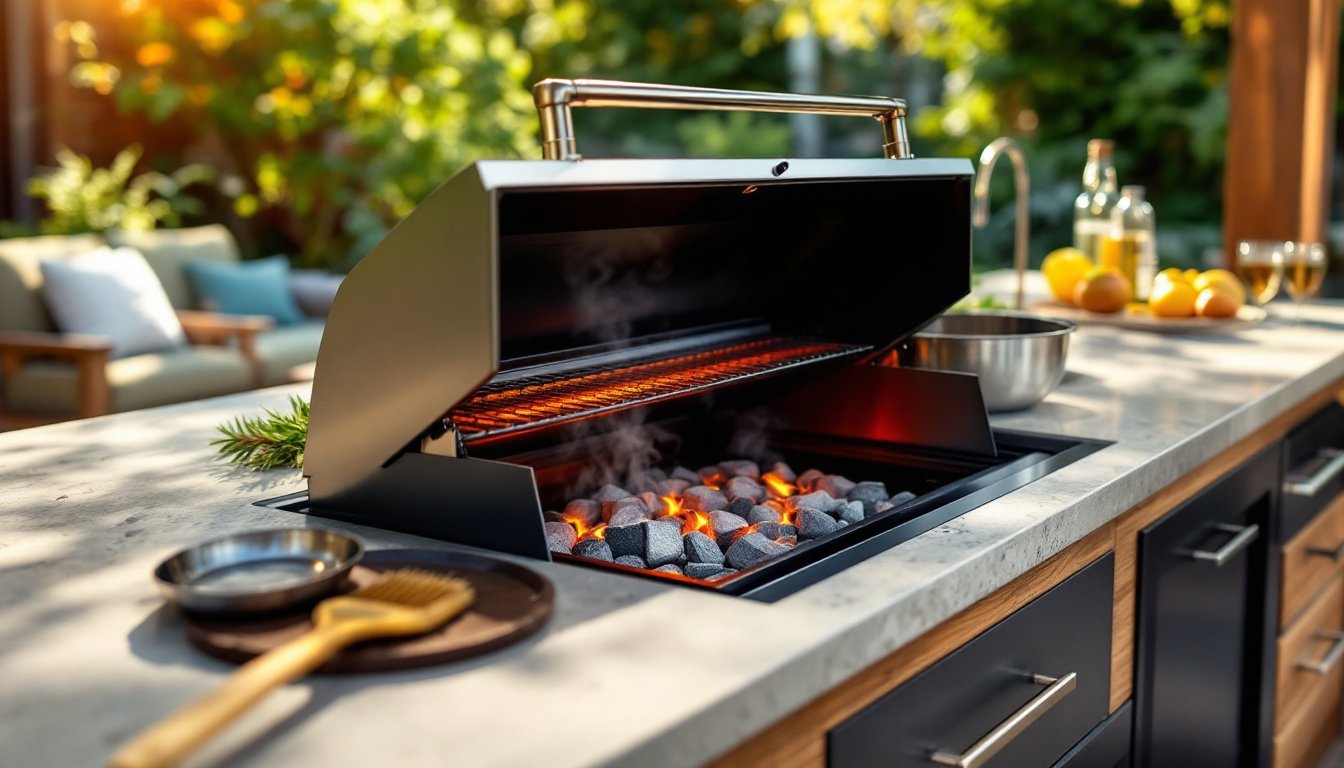
The grill anchors any outdoor kitchen. Gas grills heat up fast and offer precise temperature control. Charcoal grills deliver that smoky flavor many cooks prefer. Built-in models look streamlined but cost more. Freestanding grills work well and can be replaced or upgraded independently.
A grill with at least 400 square inches of cooking space handles meals for four to six people comfortably. Side burners add versatility for sauces, side dishes, or boiling water.
Include Prep and Storage Space
Counter space near the grill prevents constant trips inside. Stainless steel counters resist heat and clean easily. A small outdoor sink makes food prep and cleanup more convenient. Even a basic hand-wash station helps.
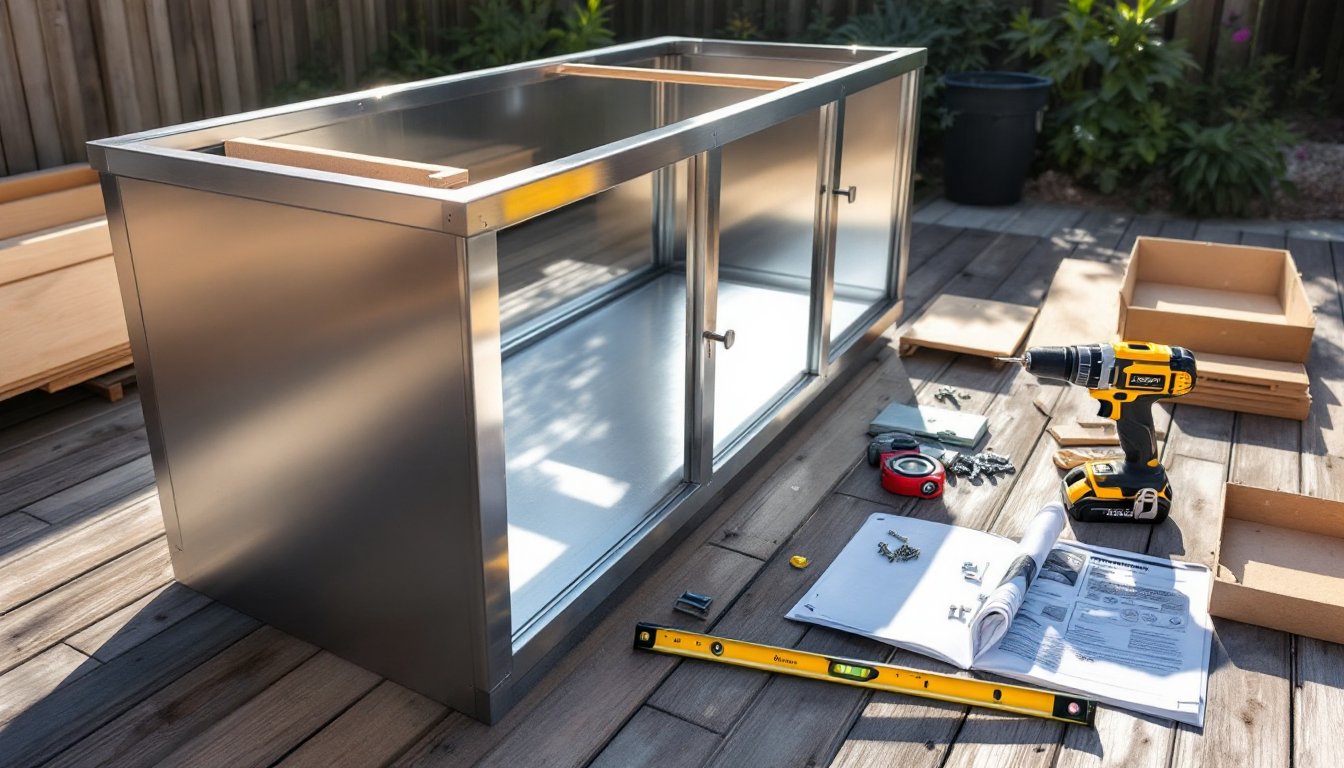
Storage below the counter keeps grilling tools, charcoal, and serving platters within reach. Marine-grade cabinets handle moisture better than standard kitchen materials.
Set Up Outdoor Dining
A dining table near the cooking area keeps the cook involved in conversation. Tables that seat six to eight guests work well for most backyards. Benches offer flexible seating and tuck under the table when not in use.
Materials matter here too. Powder-coated aluminum and synthetic wood composites resist weathering. Glass tops look elegant but show every water spot and fingerprint.
Adding Ambiance With Fire Features and Lighting
Fire and light transform outdoor spaces after dark. They extend usable hours, create atmosphere, and give guests a reason to linger.
Fire Pits and Fireplaces
Fire pits serve as natural gathering points. People instinctively draw toward the warmth and flickering light. Propane and natural gas fire pits ignite instantly and shut off cleanly. Wood-burning pits offer that classic campfire smell and crackle.
Built-in fireplaces make a strong design statement. They work well against a back wall or as a divider between zones. Linear fire features, long, low flames set into tables or walls, offer a modern look.
Top outdoor living designs often place fire features where they’re visible from inside the house. This creates visual interest even during months when outdoor use is limited.
Layered Lighting
Good outdoor lighting uses multiple sources at different heights. String lights overhead create a casual, festive feel. Path lights guide movement and add safety along walkways. Spotlights highlight trees, architectural features, or art.
Warm-toned bulbs (2700K to 3000K) feel more inviting than cool white light. Dimmers allow adjustment based on the occasion, brighter for cooking, softer for conversation.
Solar lights have improved significantly in recent years. They cost nothing to operate and install without wiring. Low-voltage LED systems offer more brightness and reliability for main entertaining areas.
Landscaping Tips for a Cohesive Outdoor Space
Plants and hardscape tie the whole outdoor living area together. Good landscaping makes manufactured elements, furniture, kitchens, fire pits, feel like they belong in the space.
Define Zones With Plants
Hedges and ornamental grasses create natural walls between areas. They add privacy without the hard edge of fencing. Tall grasses like miscanthus or fountain grass grow quickly and move gracefully in the breeze.
Container plants add flexibility. They can be rearranged seasonally or moved to follow the sun. Large pots with small trees or shrubs anchor seating areas and soften corners.
Choose Low-Maintenance Varieties
Native plants typically need less water and fewer chemicals than exotic species. They’ve adapted to local soil and climate conditions. Drought-tolerant options like lavender, sedum, and ornamental sages look good and survive neglect.
Evergreens provide structure year-round. They prevent that bare, empty look in winter months. A mix of deciduous and evergreen plants keeps the landscape interesting across seasons.
Hardscape Considerations
Pavers, stone, and gravel define activity zones and prevent mud. Permeable pavers allow rainwater to drain rather than pooling or running off. Natural stone costs more but ages beautifully and handles freeze-thaw cycles well.
Edging between lawn and beds creates clean lines. Steel or aluminum edging stays invisible while keeping mulch and grass separate. That simple border makes the whole yard look more intentional.