Table of Contents
ToggleOutdoor living ideas can turn an ordinary backyard into a functional retreat. Homeowners across the country are rethinking their outdoor spaces, treating them as true extensions of their homes. Whether you have a sprawling lawn or a compact patio, the right design choices make all the difference.
This guide covers practical outdoor living ideas that work for various budgets and space sizes. From cozy seating arrangements to full outdoor kitchens, each section provides actionable steps. Readers will discover how to maximize comfort, style, and usability in their outdoor areas.
Key Takeaways
- Outdoor living ideas transform ordinary backyards into functional retreats by combining comfortable seating, cooking areas, and thoughtful design.
- Weather-resistant furniture materials like aluminum, synthetic wicker, and teak extend the life of outdoor seating and reduce maintenance.
- Outdoor kitchens with grills, sinks, refrigeration, and ample counter space eliminate constant trips indoors while entertaining.
- Layering task, ambient, and accent lighting extends backyard usability past sunset and increases safety around pathways and stairs.
- Fire pits and fireplaces create natural gathering points that extend outdoor living into cooler months.
- Native plants and container gardens add privacy and visual interest while keeping maintenance demands low.
Create Comfortable Seating Areas
A well-planned seating area forms the foundation of any outdoor living space. Without comfortable places to sit, even the most beautiful backyard feels incomplete.
Start by assessing how you’ll use the space. Do you host large gatherings? A sectional sofa or multiple lounge chairs might suit your needs. Prefer quiet mornings with coffee? A pair of Adirondack chairs positioned toward the sunrise works perfectly.
Choosing the Right Furniture
Weather-resistant materials extend furniture life significantly. Aluminum frames resist rust. Synthetic wicker handles humidity without warping. Teak and eucalyptus offer natural beauty with built-in durability.
Cushions deserve equal attention. Look for fabrics labeled “solution-dyed acrylic” or similar outdoor-rated textiles. These resist fading, mold, and mildew better than standard fabrics.
Arrangement Tips
Place seating to encourage conversation. Chairs facing each other at slight angles create intimacy. Add a coffee table or ottoman within arm’s reach for drinks and snacks.
Consider traffic flow too. Leave clear pathways between seating groups and entry points. This prevents guests from stepping over loungers or squeezing through tight gaps.
Outdoor living ideas like these transform random furniture collections into intentional gathering spots.
Design an Outdoor Kitchen or Dining Space
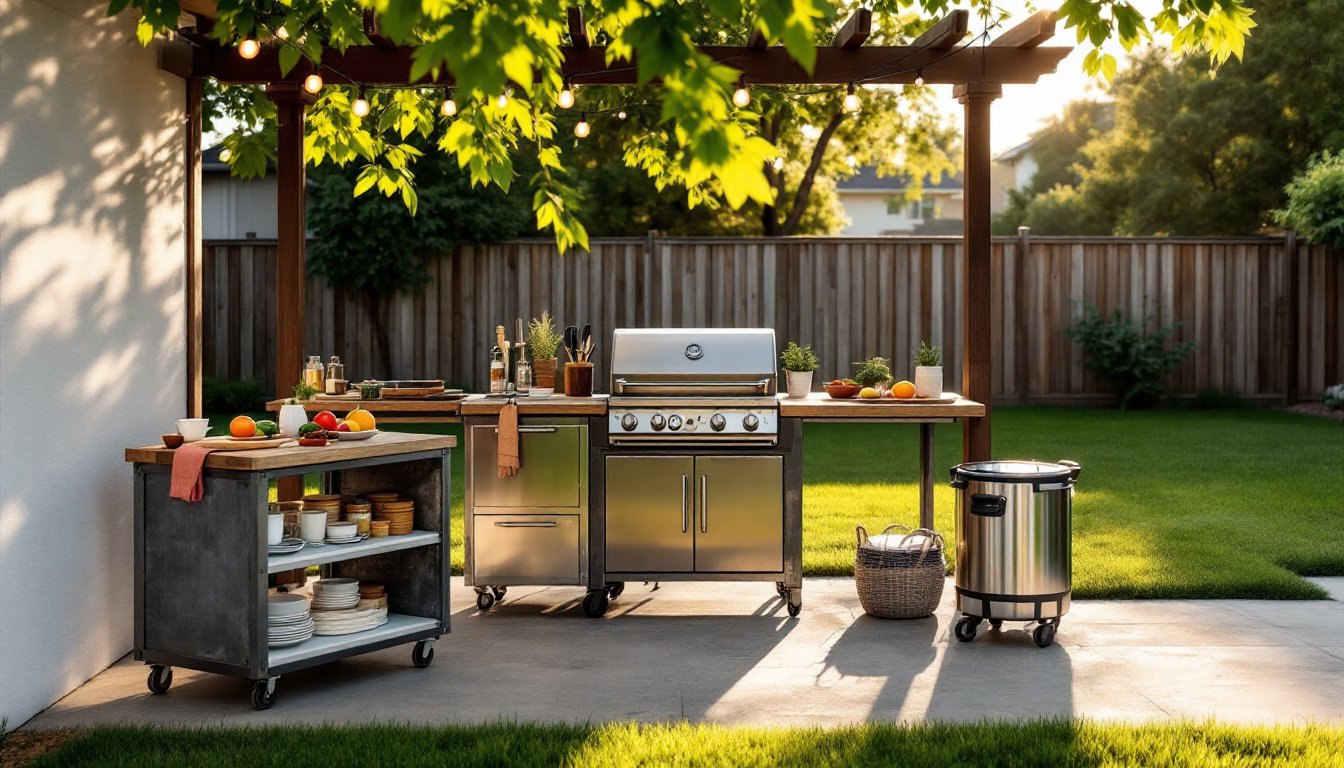
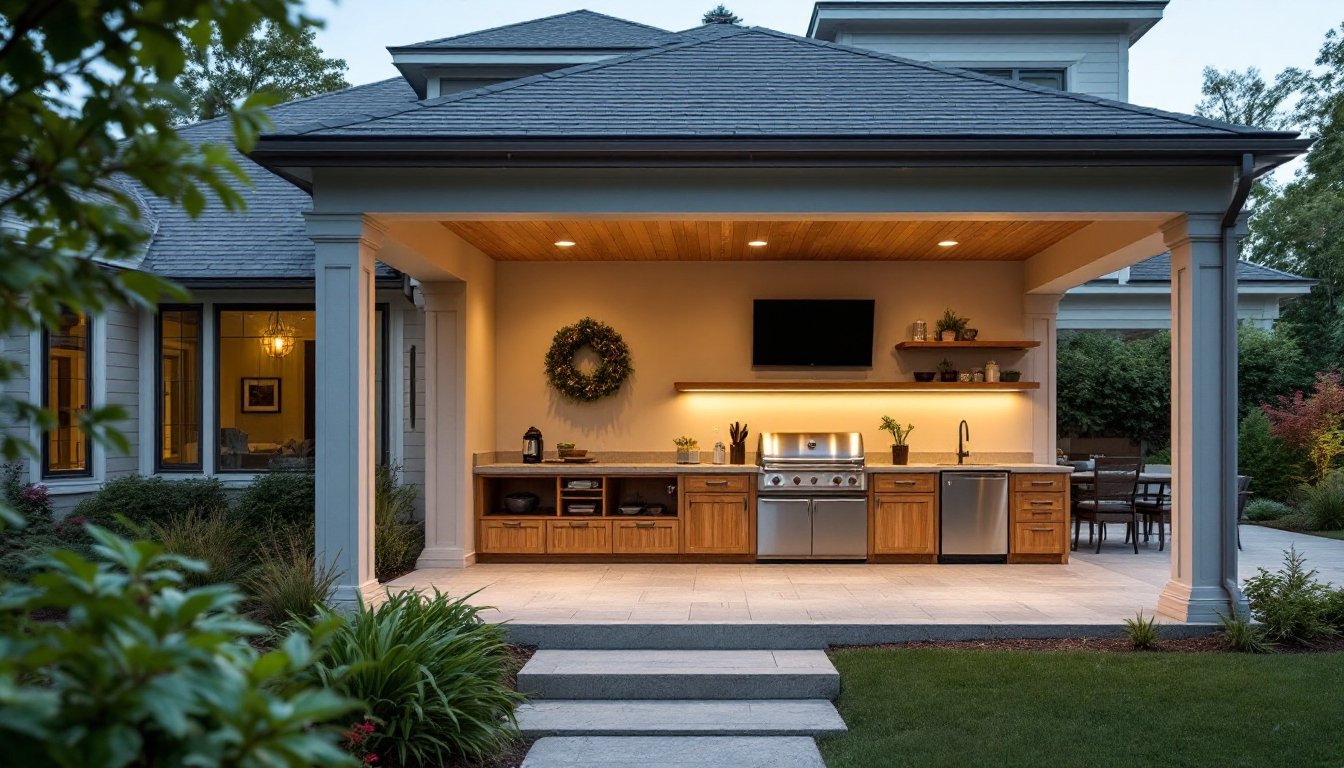
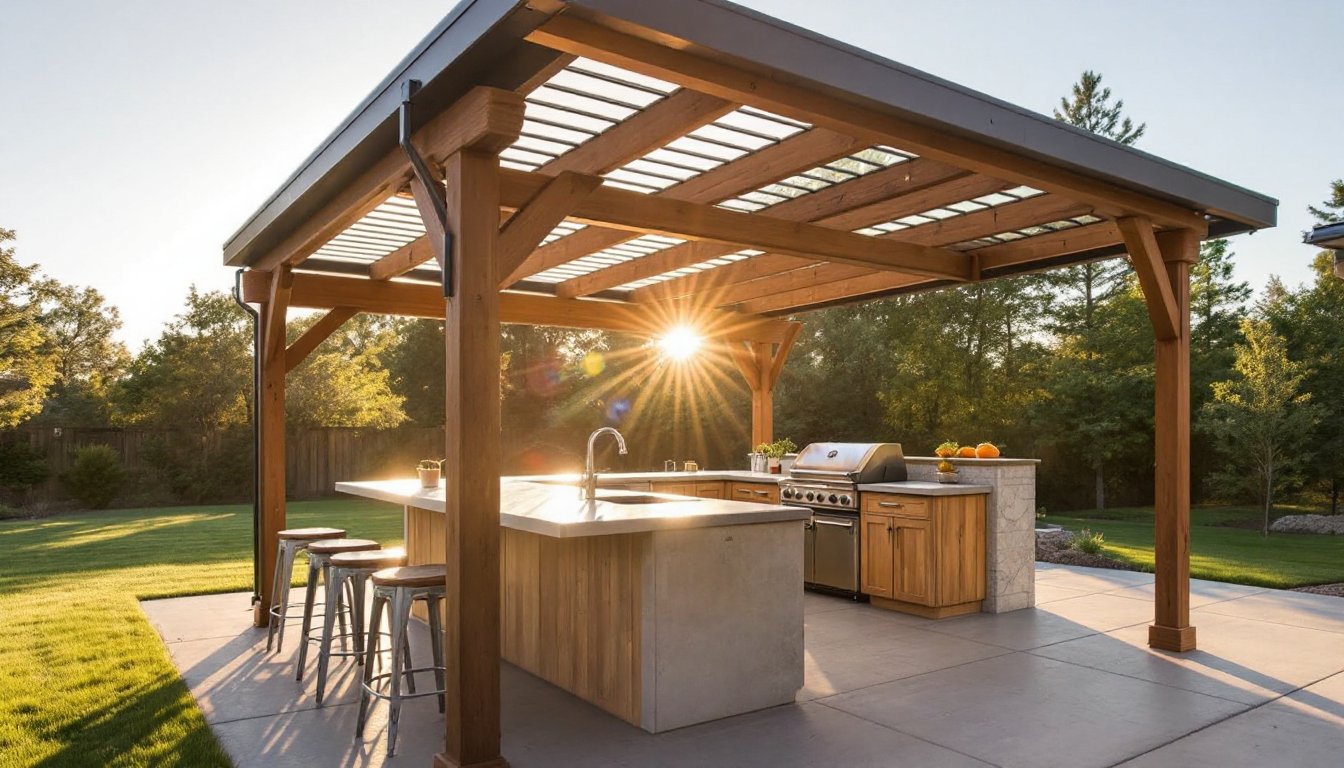
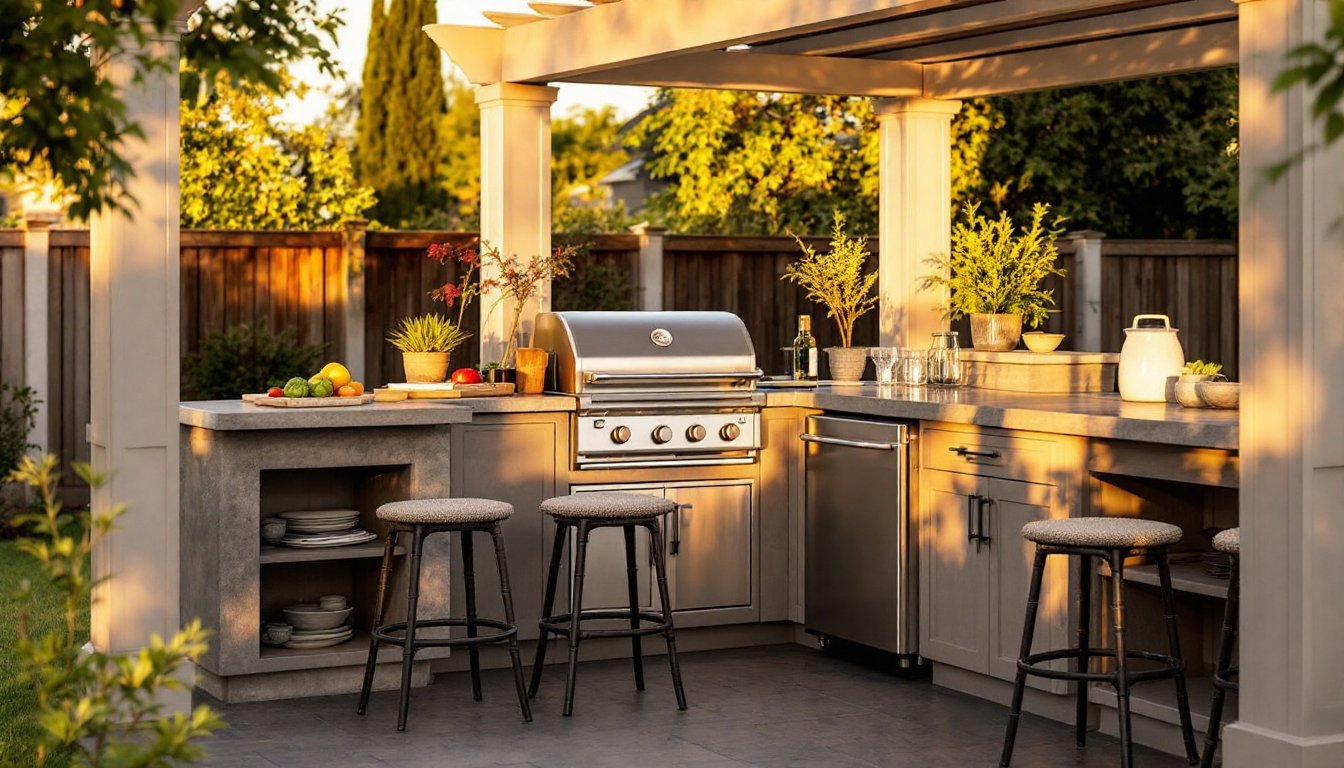
Outdoor kitchens have moved beyond simple grills on the patio. Modern setups include refrigerators, sinks, storage, and prep counters. These features let homeowners cook entire meals without running inside.
Essential Components
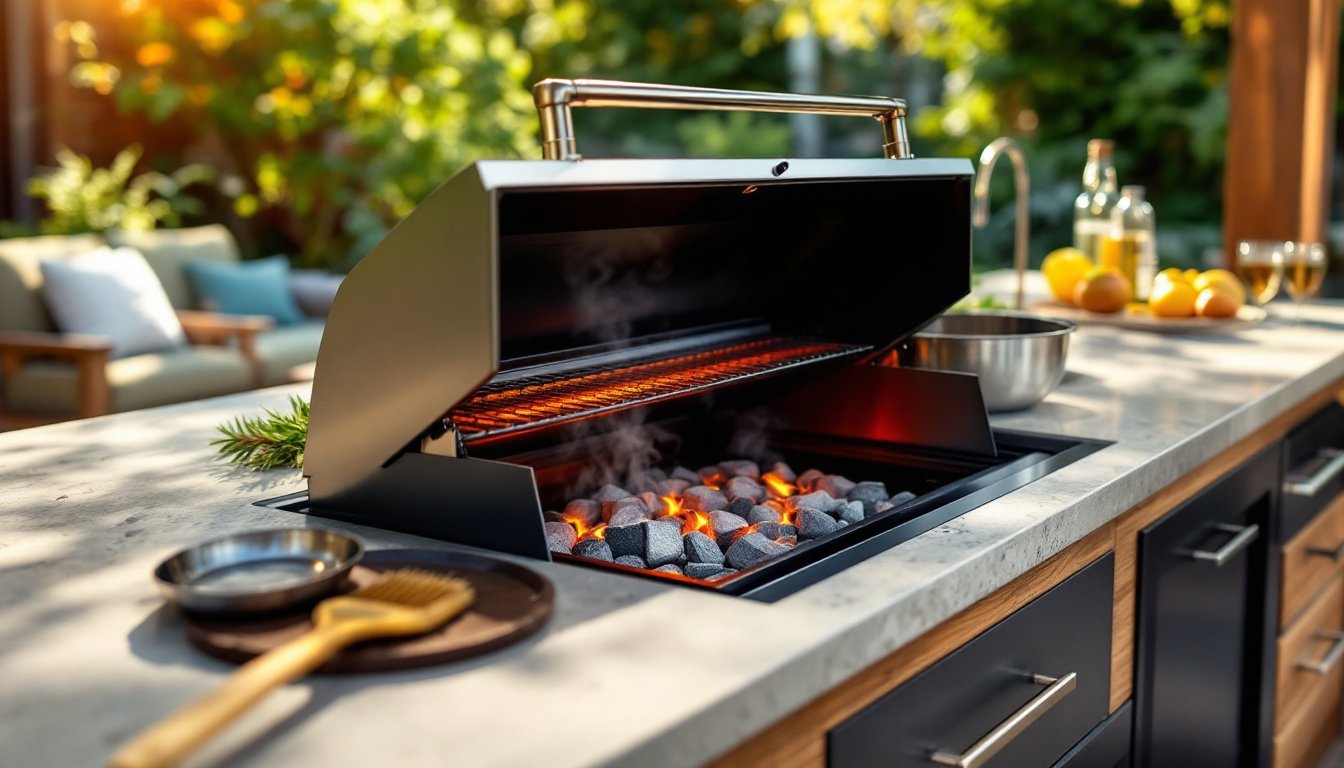
Every outdoor kitchen needs a cooking station. Gas grills remain popular, but many homeowners add smokers, pizza ovens, or flat-top griddles. Built-in options look polished and save space.
A sink eliminates constant trips indoors. Running water makes food prep easier and cleanup faster. Refrigeration keeps ingredients fresh and drinks cold.
Counter space matters more than people expect. Aim for at least 24 inches on each side of the grill for prep work and plating.
Dining Setup
Position your dining table close to the cooking area but not directly in the smoke path. A table seating six to eight people accommodates most family dinners and small parties.
Umbrellas or pergolas provide shade during daytime meals. For evening dining, string lights overhead add warmth without harsh brightness.
These outdoor living ideas bring the kitchen experience outside, making entertaining simpler and more enjoyable.
Add Lighting for Ambiance and Function
Lighting extends backyard usability well past sunset. Good lighting also increases safety on stairs, pathways, and around pools.
Types of Outdoor Lighting
Task lighting illuminates work areas. Install it above grills, prep stations, and dining tables. LED fixtures work well, they run cool and use less energy.
Ambient lighting sets the mood. String lights, lanterns, and recessed fixtures along fence lines create soft, inviting glows. Solar-powered options reduce installation complexity.
Accent lighting highlights landscaping, architectural features, or water elements. Uplights beneath trees cast dramatic shadows. Underwater lights make pools shimmer after dark.
Practical Considerations
Low-voltage systems offer easier installation than standard electrical. Many homeowners complete these projects themselves over a weekend.
Timers and motion sensors add convenience. Set lights to turn on at dusk and off at bedtime automatically. Motion sensors near pathways provide light when needed without constant operation.
Smart outdoor living ideas include layering these lighting types. Combine task, ambient, and accent options for spaces that function beautifully at any hour.
Incorporate Greenery and Landscaping
Plants soften hardscaping and connect outdoor rooms to nature. Strategic landscaping also provides privacy, shade, and visual interest.
Privacy Planting
Tall hedges or ornamental grasses block sightlines from neighbors. Bamboo grows quickly but spreads aggressively, plant it in containers or install root barriers. Arborvitae and privet offer dense screening without invasive tendencies.
Container Gardens
Pots and planters bring flexibility to outdoor living areas. Move them seasonally to refresh the look or follow the sun. Group containers in odd numbers for visual balance.
Herbs near the outdoor kitchen serve dual purposes. Rosemary, basil, and mint look attractive and provide fresh ingredients steps from the grill.
Low-Maintenance Options
Native plants thrive with less water and fewer chemicals. They’re adapted to local conditions and support pollinators. Ornamental grasses, succulents, and perennial flowers reduce maintenance demands.
Mulch beds help retain moisture and suppress weeds. A two-to-three-inch layer around plants keeps root zones healthy.
Thoughtful outdoor living ideas balance beauty with practicality. Plants shouldn’t create more work, they should enhance enjoyment.
Build a Fire Pit or Fireplace
Fire features anchor outdoor spaces and extend their seasonal use. A fire pit or fireplace becomes a natural gathering point for family and friends.
Fire Pit Options
Portable fire pits offer flexibility at lower costs. Metal bowls or rings can move around the yard as needed. Propane versions light instantly without wood storage concerns.
Built-in fire pits create permanent focal points. Stone or concrete surrounds match existing hardscaping. Gas-fed versions burn cleaner than wood, though some prefer the crackle and smell of real fires.
Fireplace Considerations
Outdoor fireplaces make bold statements. They require more planning and investment but add significant value. Position them where smoke won’t blow toward seating or into the house.
Chimineas offer a middle ground. These freestanding clay or metal units direct smoke upward through a chimney. They work well in smaller spaces where full fireplaces feel overwhelming.
Safety First
Check local fire codes before building. Many municipalities regulate fire pit size, fuel type, and placement distance from structures.
Keep a fire extinguisher or garden hose nearby. Never leave fires unattended, especially in windy conditions.
These outdoor living ideas add warmth, literally, to backyard gatherings throughout cooler months.