Table of Contents
ToggleA built-in griddle transforms your outdoor kitchen from a grill-only setup into a genuine cooking destination. Whether you’re searing vegetables, cooking pancakes for a crowd, or keeping sides warm during a barbecue, a griddle’s flat cooking surface handles tasks that would overwhelm a traditional grill. Installing a built-in griddle isn’t just about adding another appliance, it’s about rethinking how you entertain and cook outdoors. In 2026, more homeowners are investing in outdoor kitchens that mirror their indoor capabilities, and a griddle is often the missing piece that unlocks real versatility in the space.
Key Takeaways
- A built-in griddle transforms your outdoor kitchen by providing precise heat control across a flat surface, enabling you to cook multiple items simultaneously—from pancakes to stir-fries—that a traditional grill cannot handle effectively.
- Built-in griddles made from 304 or 316-grade stainless steel offer superior rust and weather resistance, with dual independent temperature zones allowing you to sear on one side while gently cooking delicate items on the other.
- A 36-inch griddle represents the optimal size for most households, balancing cooking capacity (12–15 burgers) with practicality, while 24-inch units fit tight decks and 48-inch models suit frequent entertainers.
- Expect to invest $800–$2,500 for a quality built-in griddle, plus $800–$2,000 for professional installation; proper deck reinforcement (potentially $1,000–$3,000 more) is essential to prevent sagging and structural damage.
- Regular maintenance—including post-use cleaning, monthly mineral oil applications, quarterly gas-leak checks, and seasonal winterization with quality covers—extends your griddle’s lifespan to 10+ years.
- A built-in griddle increases both entertaining functionality and home resale appeal by signaling a professionally finished outdoor kitchen that supports move-in-ready entertaining spaces.
Why Add A Built-In Griddle To Your Outdoor Kitchen
A griddle does what a grill can’t: cook multiple items at once with precise heat control across a flat surface. Burgers stick and fall apart on grates: a griddle keeps them intact and gives you an even sear. You can cook 20 eggs for a backyard brunch, sauté mushrooms and onions while steaks finish on the side burner, or keep a batch of tortillas warm without smoke. Unlike portable griddles that sit on a stand and clutter your patio, a built-in unit becomes part of your counter layout, permanent, integrated, and always ready.
The investment also increases your outdoor living’s functionality. Rather than eating the same grilled-chicken-and-burger rotation, you get access to stir-fries, fajitas, pancakes, and grilled cheese for the kids. Built-in models nestle into your outdoor cabinetry, freeing up deck space and creating a professional cooking zone. On resale, a finished outdoor kitchen with a griddle appeals to buyers looking for move-in-ready spaces. A well-designed outdoor kitchen with a built-in griddle signals that the home supports quality entertaining.
Essential Features To Look For In A Built-In Griddle
Material And Construction Quality
Stainless steel is the standard for outdoor griddles because it resists rust and weather. Look for 304 or 316-grade stainless steel, both hold up to salt spray and temperature swings. A polished or brushed finish hides fingerprints better than mirror polish. The cooking surface itself matters: rolled steel requires seasoning like a cast-iron skillet, while stainless steel heats less evenly but needs no maintenance. Stainless wins for most backyards because you won’t baby it between cookouts.
Check the burner design underneath. Stainless steel burners last longer than powder-coated steel, which can flake after a few seasons of moisture and heat cycling. Look for griddles with two independent zones, one side running hot for searing, the other at medium heat for eggs or delicate items. Thermostats or manual controls should let you dial temperatures precisely: cheap griddles overheat at one setting and undershooting another.
Size And Cooking Surface Options
Most built-in griddles range from 24 inches to 48 inches wide. A 24-inch unit fits into tight deck layouts but limits batch cooking: a 36-inch is the sweet spot for most households, handling 12–15 burgers or enough vegetables for six people. If you entertain groups regularly, a 48-inch griddle justifies the counter space and cost.
Surface material affects cooking. Stainless steel heats evenly but has lower heat retention than seasoned steel. Griddles with a temperature gauge take the guesswork out, aim for 350–375°F for most proteins. Some models offer a split cooktop: half griddle, half standard grates, giving you flexibility without buying two units. Consider whether you’ll actually use a hybrid design or if a dedicated griddle serves you better. Overspending on features you won’t use is the biggest mistake outdoor kitchen buyers make.
Expect to spend $800–$2,500 for a quality stainless steel built-in griddle, depending on size and burner count. Gas-powered griddles are standard: electric models exist but require a dedicated 240V circuit and aren’t as versatile in outdoor settings where weather affects performance.
Planning Your Built-In Griddle Installation
Start by measuring your counter space. You’ll need clearance for a griddle, room for a chimney or backsplash (griddles produce less smoke than grills but still some), and safe distance from wooden railings or siding, typically 18 inches minimum from combustibles, though check your local building codes as they vary by jurisdiction. Draft a rough layout on graph paper, including your grill, side burners, and prep areas.
Gas supply is critical. A built-in griddle connects to your propane line or natural gas hookup. If you don’t already have gas plumbing to your deck, running it now is the time, pouring concrete or building cabinetry afterward makes retrofitting expensive. You’ll need a licensed gas fitter in most areas: this isn’t a DIY job. Electrical connections for ignition and lights also require a permit and licensed electrician in most jurisdictions.
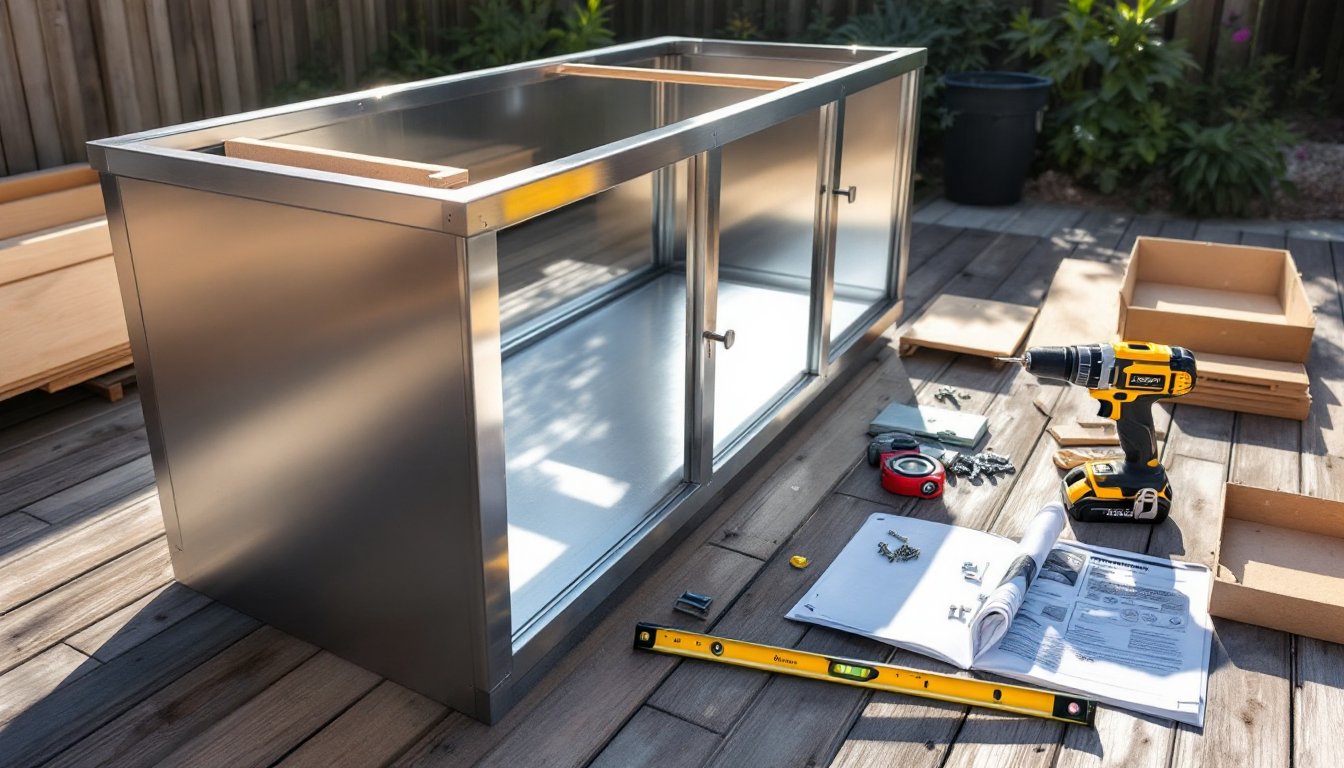
Frame your cabinetry around the griddle’s footprint. Most griddles come with mounting brackets and exact dimension specs. Build your cabinet opening 1/4 inch oversized to account for thermal expansion and minor settling. Use exterior-grade plywood for the base, supported by pressure-treated 2×4 framing. Granite or stainless steel countertops rest on top: best outdoor living ideas guide you through design choices that blend aesthetics with durability.
Prepare the deck or patio first. The griddle and cabinetry add significant weight, easily 400–600 pounds. If your deck isn’t reinforced, settle reinforcement before cabinetry goes in. A structural engineer or contractor can assess your joist spacing and depth. Skipping this step risks a sagging deck and costly repairs. Most deck footings sit on grade, which may need adjustment for proper drainage around your new built-in unit.
Maintenance And Seasonal Care Tips
Stainless steel griddles need regular cleaning to maintain that polished look and prevent corrosion buildup. After each use, let the griddle cool slightly, then wipe the surface with a damp cloth and mild soap. For stubborn residue, a stainless steel cleaner and a soft-bristle brush work well, avoid steel wool, which scratches the finish. Once a month during the season, apply a thin coat of food-grade mineral oil to the surface: it protects against salt air and UV rays.
Check your gas connections quarterly for leaks. Mix a little dish soap with water, brush it along connections and the regulator, and look for bubbles. Any bubbles mean a leak that needs repair, don’t ignore it. Burners should heat evenly: if one side runs cooler, the burner may be clogged. You can often clear it with a straightened paperclip or soft brass brush.
Winter prep matters, especially in cold climates. When you shut down for the season, turn off gas at the tank, disconnect the regulator, and cover the griddle with a fitted stainless steel cover. Poor covers trap moisture and speed rust: invest in a quality one. If you’re in a region with snow, build a simple shed roof or alcove over the unit, ice and heavy snow damage mounting brackets and burners. In spring, inspect for corrosion or loose fasteners before firing up.
Dry any water that pools on the surface immediately after rain. A griddle isn’t sealed like an indoor stove, so moisture sits and oxidizes the steel over time. Most stainless steel corrodes from sitting water, not from use. Keep your cooking area clear of leaves and debris that trap moisture.
Popular Built-In Griddle Styles For Every Budget
Budget-Friendly ($800–$1,200): Entry-level stainless steel griddles from brands like Cuisinart or Lynx offer solid performance without premium finishes. A 30-inch single-zone model handles most backyard cooking and fits smaller patios. These griddles heat adequately and last 5–7 years with reasonable care, though controls may be basic dials rather than digital thermostats. They’re the right choice if you’re unsure about committing to griddle cooking or have a tight deck layout.
Mid-Range ($1,500–$2,000): Here you get dual zones, better burner design, and heavier-gauge stainless steel that resists warping. Most 36-inch griddles land in this range and offer the versatility serious entertainers want. Look for griddles with outdoor living examples that match your aesthetic, stainless with black handles, integrated backsplashes, or sleek trim pieces. These griddles typically carry 5–10-year warranties and perform like commercial equipment.
Premium ($2,500+): Custom-fabricated griddles, hybrid designs, and griddles from luxury outdoor kitchen brands (Coyote, Blaze, Alfresco) dominate this tier. Expect Italian-made components, precise temperature controls, and integrated lighting or side burners. If your outdoor kitchen is your entertainment centerpiece and cost isn’t a limiting factor, these units deliver restaurant-quality results and longevity beyond 15 years.
Don’t assume expensive means better for your situation. A $1,200 griddle outperforms a $3,000 model if you choose the right size and features for your actual cooking habits. Outdoor living ideas that match your entertaining style help you decide. As you plan, also explore what specialty outdoor kitchen features make sense for your space.
Installation costs run $800–$2,000 depending on whether gas lines already exist and whether you’re building cabinetry from scratch. If your deck or patio needs reinforcement, add another $1,000–$3,000. Many homeowners spread costs across a season, installing the griddle one year and cabinetry or surrounding features the next. The Ultimate Outdoor Living Guide walks through phasing projects smartly.
Make Your Griddle Investment Count
A built-in griddle shifts outdoor cooking from routine grilling to genuine culinary expansion. Choosing the right size, material, and feature set, and planning installation properly, keeps costs reasonable and longevity high. Whether you’re a casual entertainer or a backyard cooking enthusiast, a griddle earns its place in your outdoor kitchen through versatility and the bigger entertaining opportunities it unlocks. Start with honest assessment of how you cook and entertain, invest in stainless steel quality, and protect your installation with seasonal care. Your future outdoor meals depend on getting this right now.