Table of Contents
ToggleAn outdoor kitchen transforms a backyard from a simple lawn into a functional entertainment hub, a place where cooking, dining, and gathering happen seamlessly. If you’re considering adding one to your property, hiring custom outdoor kitchen builders rather than piecing together off-the-shelf components can make the difference between a mismatched collection of outdoor appliances and a cohesive, lasting investment. These specialized builders understand local building codes, material durability in your climate, and design principles that make outdoor spaces both beautiful and practical. This guide walks you through what to expect when working with custom outdoor kitchen builders, how to plan your project, and how to choose the right professional team for your backyard vision.
Key Takeaways
- Custom outdoor kitchen builders handle critical structural, utility, and permit requirements that DIY approaches often overlook, saving time and preventing costly rework.
- Professional builders leverage 5–15 years of regional experience to select durable materials and designs suited to your climate, from coastal stainless steel corrosion to freeze-thaw concrete needs.
- The design process includes site analysis, 3D renderings or walkthroughs, and budget planning; expect $8,000–$15,000 for basic kitchens, $25,000–$50,000 for mid-range, and $75,000+ for high-end custom outdoor kitchen installations.
- Essential features include a weather-resistant grill, 2–3 feet of countertop space on each side, proper lighting for evening use, and drainage solutions for sinks and water features.
- Vet builders by reviewing 5–10 completed projects, requesting references, verifying licenses and insurance, and interviewing at least three contractors to ensure quality craftsmanship and reliable communication.
Why Hire a Custom Outdoor Kitchen Builder
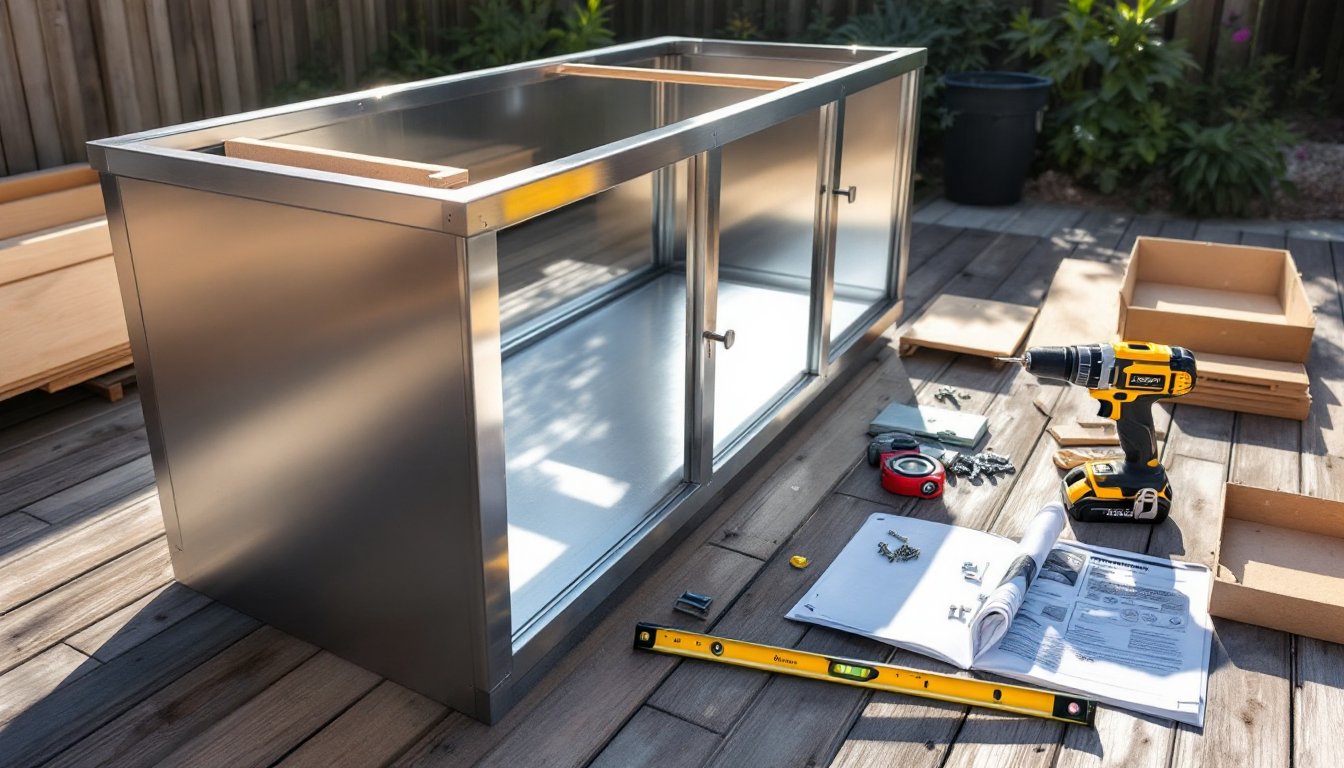
Building an outdoor kitchen isn’t like assembling a backyard deck or installing standard landscaping. It involves coordinating structural work, utility connections, drainage, and weatherproofing, all critical to longevity and safety. A professional custom builder handles permit requirements, which vary significantly by jurisdiction and may include electrical inspections (NEC compliance), gas line inspections, and structural reviews if you’re adding a roof or permanent countertops.
Custom builders also know material science. Stainless steel rusts differently in coastal climates than inland. Concrete countertops need proper sealing to handle freeze-thaw cycles. Stone choices affect maintenance demands and durability. A DIY approach often means discovering these lessons through costly mistakes. A builder brings 5–15 years of experience with what actually lasts in your region, which appliances integrate well together, and which layout prevents awkward workflow issues when you’re actually cooking for a crowd.
Beyond technical expertise, builders think about the whole space. They’ll position the kitchen relative to sight lines from your house, account for sun exposure and prevailing winds, ensure adequate ventilation for smoke and odors, and integrate utilities without visible conduit running across your patio. This holistic approach transforms a collection of components into a genuinely usable outdoor room. Most homeowners report that hiring a professional builder saves time, prevents expensive rework, and delivers results they couldn’t achieve alone.
What to Expect During the Design and Planning Process
The design phase is where your vision becomes a real, buildable plan. Professional builders don’t just sketch ideas, they conduct structured consultations, handle site analysis, create detailed plans, and walk you through the decision-making process step by step.
Initial Consultation and Vision Development
Your builder will visit your site, measure the space, assess soil conditions (for foundation work), evaluate existing utilities, and ask detailed questions about your lifestyle. How often will you entertain? Do you prefer cooking for groups or small gatherings? Will you use the kitchen year-round or seasonally? What’s your climate, scorching summers, freezing winters, or both? These answers shape everything from appliance placement to roof design to material selection.
The builder will also assess sight lines, shade patterns, and how the outdoor kitchen connects visually and functionally to your home. Some builders use 3D rendering software to show you proposed layouts before work begins: others use sketches and in-person walkthroughs. Either way, expect 2–3 consultation meetings before moving to the design phase. This upfront time prevents costly changes later. Outdoor Living Trends 2026: shows how modern designs increasingly blend cooking, dining, and gathering zones, insights that inform a builder’s approach.
Budget Setting and Material Selection
Once the vision is clear, your builder will outline a realistic budget and material options at different price points. A basic outdoor kitchen with a built-in grill, sink, and simple countertops might run $8,000–$15,000. Mid-range kitchens with multiple appliances, natural stone counters, and a partial roof could be $25,000–$50,000. High-end installations with premium materials, extensive custom cabinetry, and integrated lighting easily exceed $75,000. These ranges vary widely by region, existing site conditions, and material availability.
Material selection is where you’ll make key choices. Concrete, pavers, or natural stone for the foundation and patio? Stainless steel, granite, or engineered quartz for counters? Wood, aluminum, or vinyl for cabinetry backing? Each choice has cost, durability, and maintenance implications. A good builder explains the trade-offs without pushing you toward the most expensive option. They’ll also source local materials when possible, reducing delivery costs and shipping delays. Budget conversations should include contingency planning, typically 10–15% extra for unexpected site conditions like underground obstacles or foundation issues discovered during excavation.
Essential Features and Customization Options
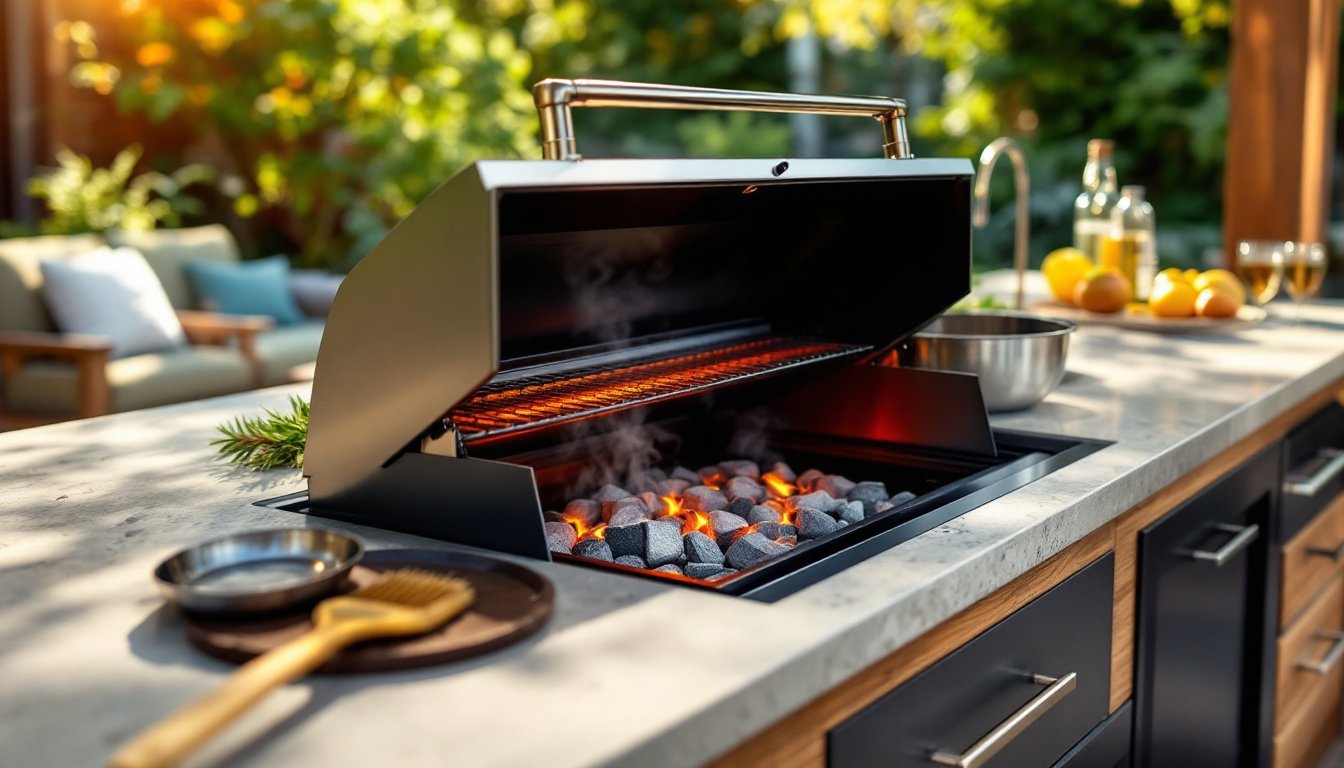
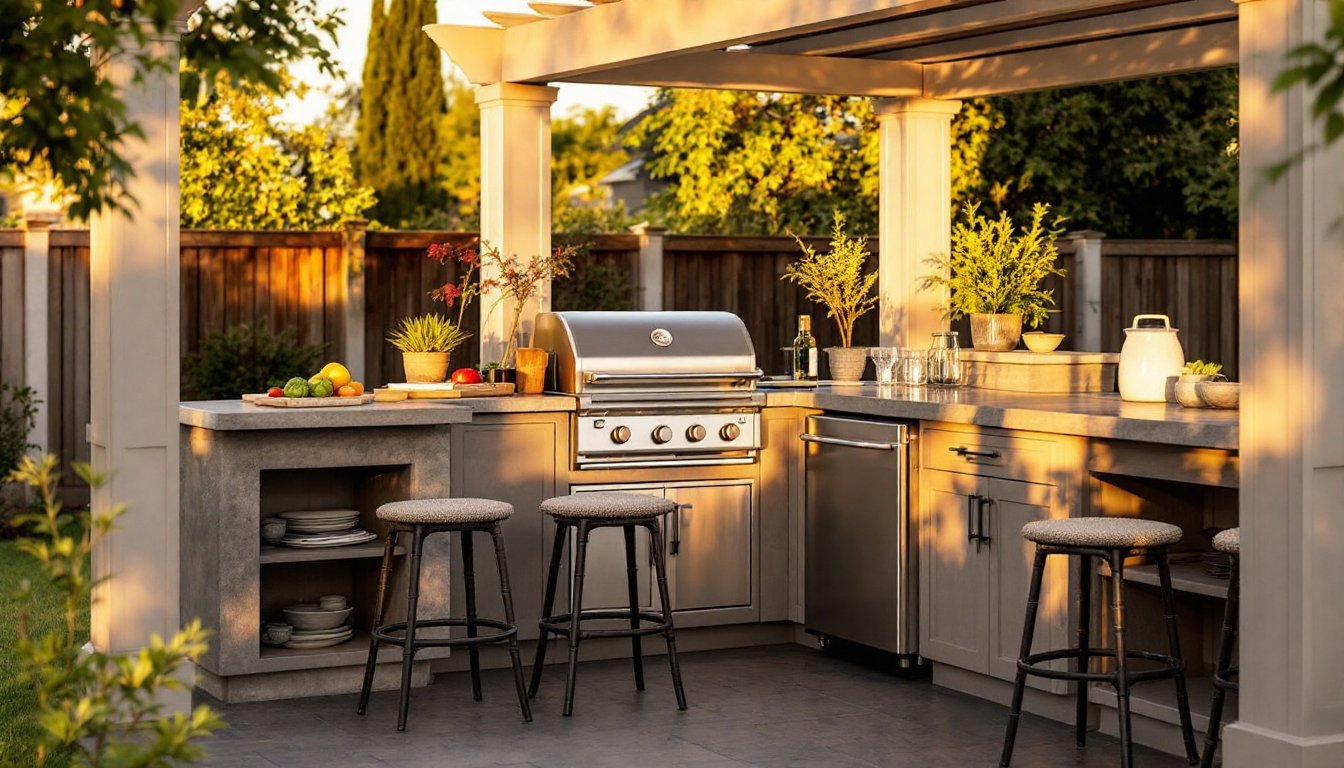
Every outdoor kitchen needs certain core elements, but the scope varies wildly depending on your needs and budget. A grill is almost universal, gas or charcoal, built-in or freestanding. Most builders recommend a quality, weather-resistant model rated for outdoor use: cheap grills rust quickly and distribute heat unevenly. Countertop space matters more than homeowners expect: plan for at least 2–3 feet on each side of the grill for prep, plating, and serving.
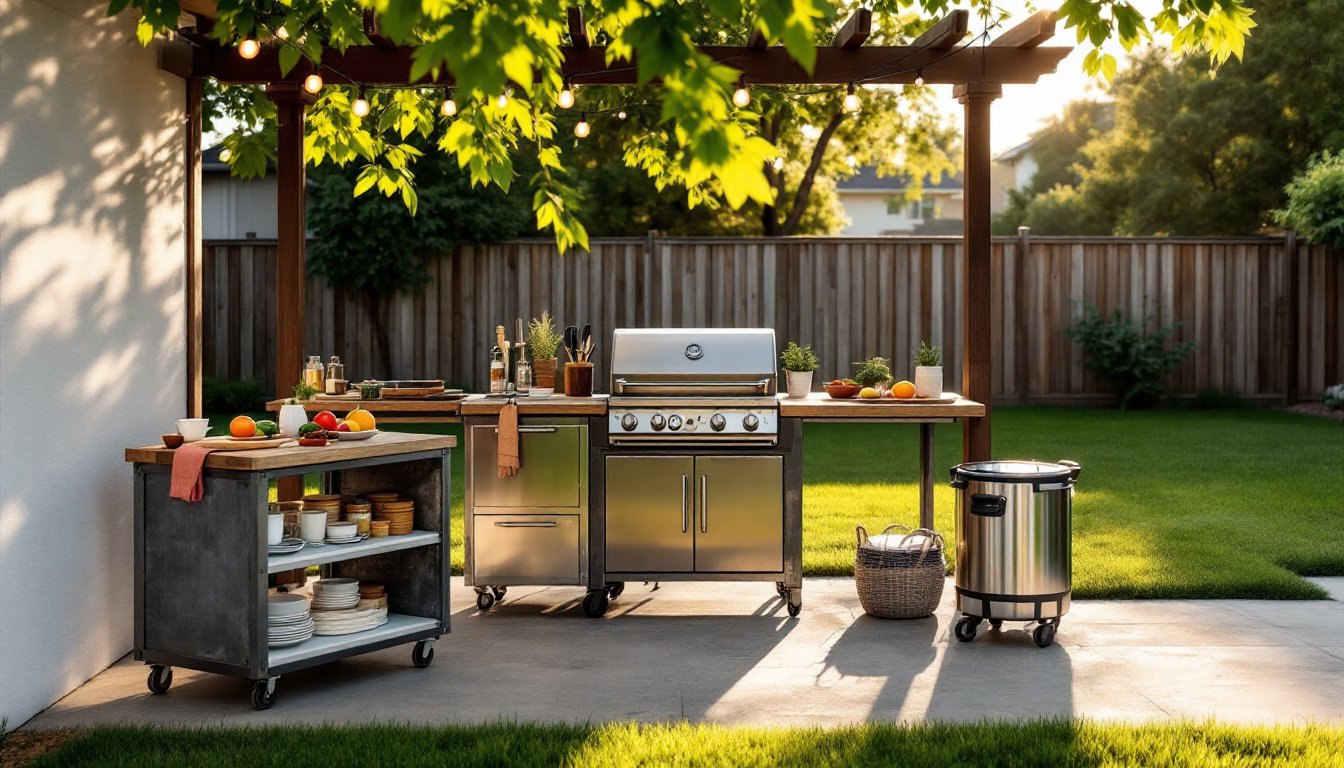
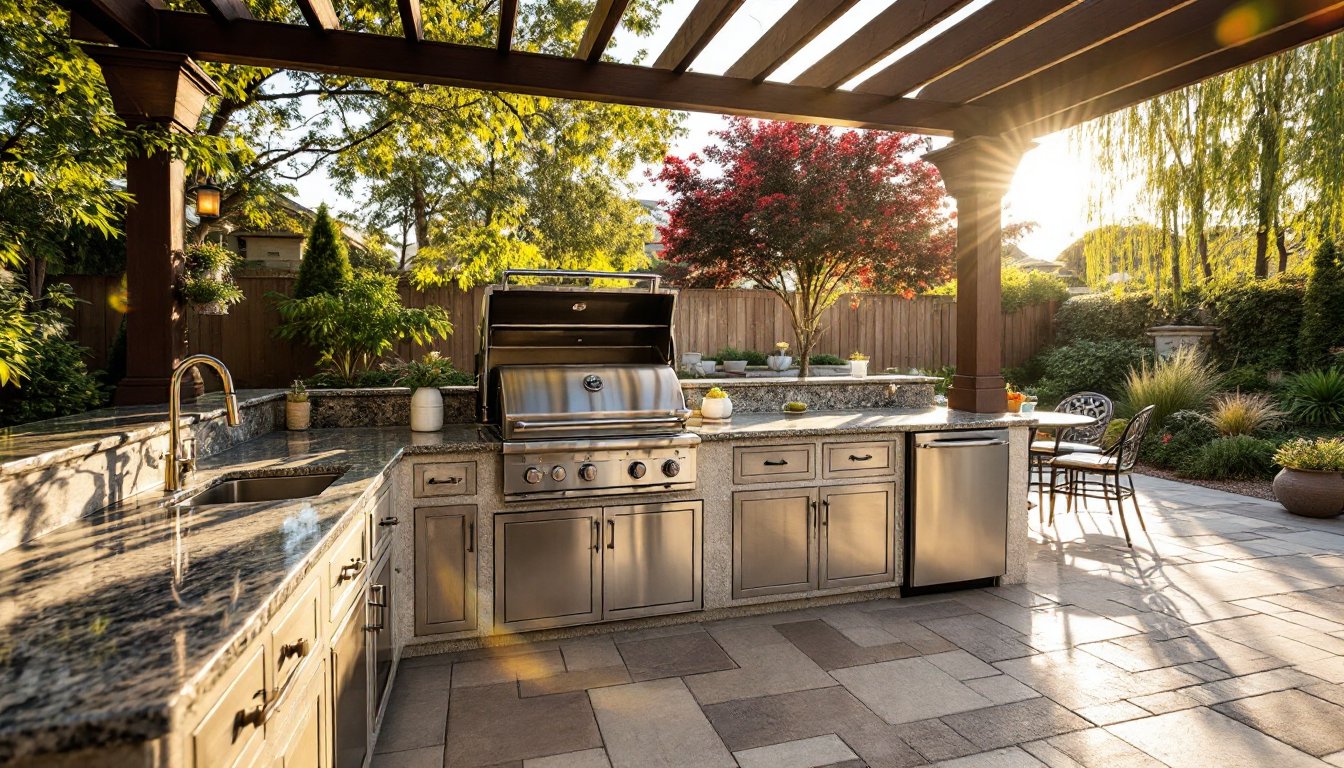
Beyond the grill, options expand. A sink requires hot and cold water lines and drainage, not trivial in a backyard setting. A mini fridge keeps drinks and ingredients cold without trips inside. A pizza oven transforms entertaining and appeals to many buyers if you ever resell. Lighting is critical for evening use and safety: consider overhead fixtures, under-counter strips, or pathway lights that work together. Storage for grilling tools, propane, and serving pieces needs to withstand weather.
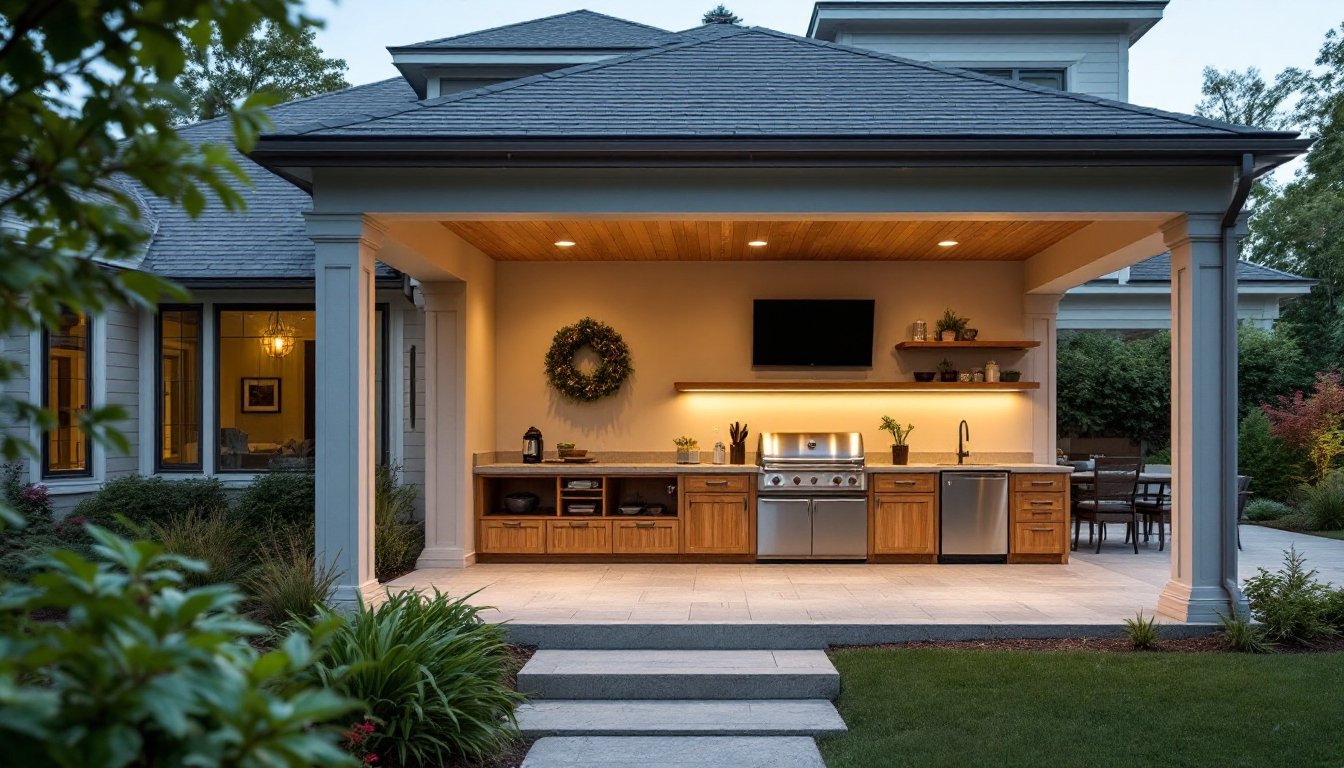
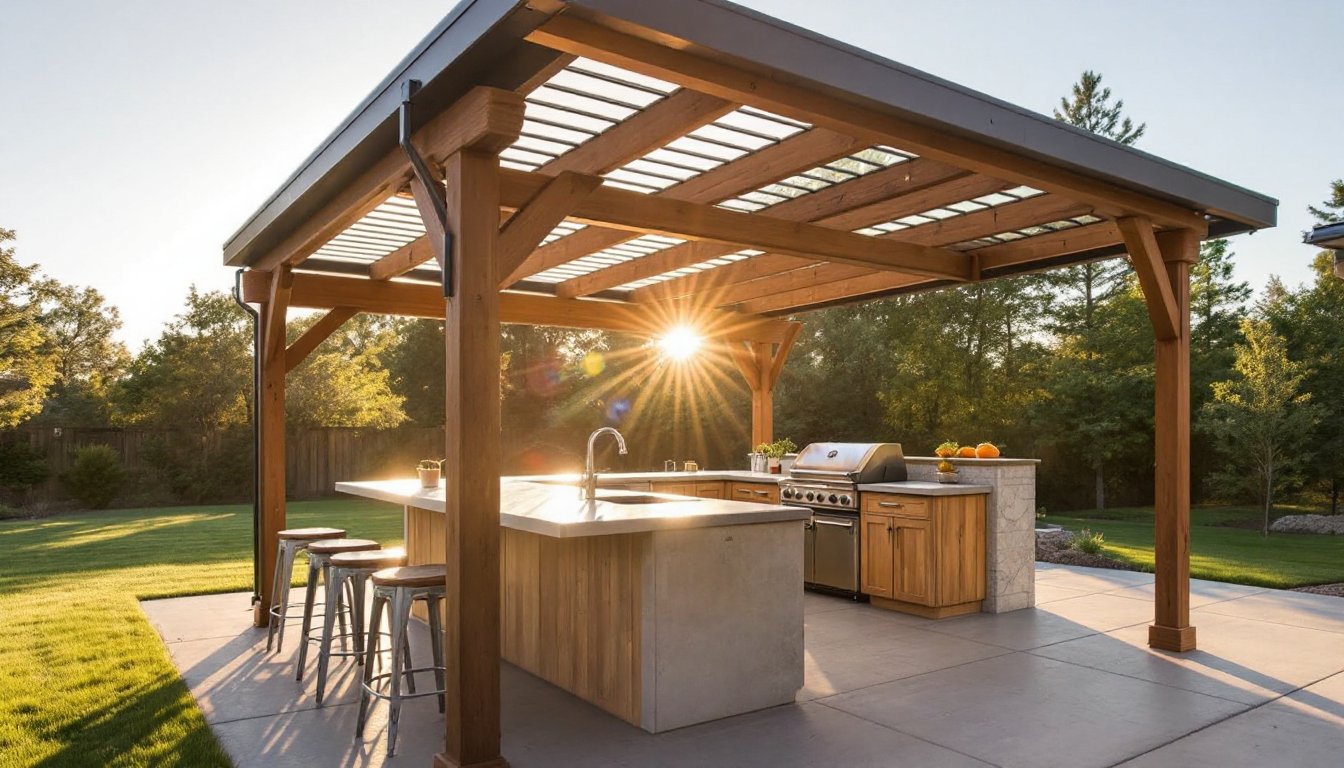
Roof and shade options range from simple patio umbrellas to fixed pergolas to fully enclosed structures with skylights. A roof extends usable seasons, protects from rain, and reduces heat in summer climates. It also requires structural support, proper drainage, and may need permits. Your builder will explain local code requirements and design options that fit your aesthetic.
How to Create the Perfect Outdoor Living Space details layout principles that custom builders apply, thoughtful zoning that separates cooking, dining, and lounging areas. The goal is a space that flows naturally, where guests don’t crowd the cook and conversation circles don’t block traffic. Customization also includes finishing touches: color schemes, material combinations, decorative elements, and integration with landscaping. A skilled builder ensures these choices feel intentional, not random.
How to Choose the Right Builder for Your Project
Finding a qualified custom outdoor kitchen builder requires research and vetting. Start by checking portfolios, ask to see 5–10 completed kitchens in your area, ideally projects finished at least 1–2 years ago so you can assess durability. Request client references and actually call them. Ask: Did the project finish on budget and schedule? How did the builder handle unexpected issues? Are you satisfied with the quality now, months or years later?
Verify licenses and insurance. A legitimate builder holds proper state and local licensing, carries liability insurance and workers’ compensation, and can provide proof of both. Ask about warranty coverage, what’s covered, for how long, and how are claims handled? Many builders offer 1–2 year warranties on workmanship: quality manufacturers back appliances and materials separately.
Check credentials. Some builders belong to professional associations like the National Association of Home Builders (NAHB) or local contractors’ guilds. These affiliations suggest ongoing training and adherence to industry standards. Experience matters, builders with 10+ years and a portfolio of 50+ outdoor kitchens understand edge cases and problem-solving far better than newcomers.
Interview at least three builders. Get detailed written estimates that itemize labor, materials, timelines, and contingency plans. Avoid choosing based on lowest price alone: a significantly lower bid often means corner-cutting. HomeAdvisor and Houzz’s outdoor kitchen construction directory offer filtered lists and customer reviews that help narrow options. Trust your gut, you’ll be collaborating closely for months, so communication style and responsiveness matter as much as technical skill.
Conclusion
Custom outdoor kitchen builders bring expertise that transforms a backyard into a genuinely functional entertainment space. The investment in professional design, proper construction, and quality materials pays dividends in usability, durability, and enjoyment for years to come. Start with clear vision and realistic budget, vet builders thoroughly, and prioritize communication throughout the process. The Ultimate Outdoor Living Guide offers additional insights for creating cohesive outdoor spaces. A well-built custom outdoor kitchen isn’t just a luxury, it’s an extension of your home and lifestyle.