Table of Contents
ToggleBuilding an <a href="https://curry-chef.com/how-to-outdoor-living/”>outdoor kitchen that works for your lifestyle starts with choosing the right grill. Whether you’re grilling weeknight burgers or hosting weekend cookouts, the grill is the anchor piece, the one investment that ties everything together. The market’s gotten more crowded and more refined in the past few years, with options ranging from compact portables under $300 to premium built-in systems that run into five figures. This guide cuts through the noise and walks you through the key features that actually matter, then breaks down the best options across different price points and cooking styles.
Key Takeaways
- The best outdoor kitchen grill depends on your cooking style, budget, and space—charcoal grills excel for flavor, gas grills offer consistency, and pellet grills provide versatility with ease.
- A mid-range gas grill in the $1,200-2,000 range delivers the best value for most families, offering durability and reliable heat distribution without the premium price tag.
- Grill size should match your household and entertaining frequency: families of four doing occasional cookouts need less cooking surface (300-400 sq in) than those hosting monthly parties (600+ sq in).
- Material quality matters for longevity—stainless steel resists rust in coastal climates, cast iron retains heat beautifully, and porcelain-coated grates offer a practical middle ground.
- Proper placement, seasonal maintenance, and investing in a quality grill cover will extend your grill’s lifespan for years of reliable outdoor cooking.
- Built-in outdoor kitchen grills ($2,500-6,000+) require professional installation and proper ventilation, but they integrate seamlessly with cabinetry and boost long-term resale value.
What to Look For in an Outdoor Kitchen Grill
Before you start comparing models, nail down what matters most to your setup. Grill size (measured in cooking surface area, typically between 300 and 900+ square inches) should match your household size and entertaining style. A family of four doing occasional cookouts needs less than someone who throws monthly parties.
Heat output matters too. Most gas grills range from 35,000 to 65,000 BTU (British Thermal Units) across all burners combined. Higher BTU doesn’t always mean better, it’s really about even heat distribution and how quickly the grill recovers after you open the lid. Material durability is worth your attention. Stainless steel costs more upfront but resists rust and weathers better in coastal or humid climates. Cast iron grates heat unevenly but retain heat beautifully and develop seasoning over time, while porcelain-coated grates offer a middle ground.
Consider your fuel type’s real-world logistics. Propane tanks need refilling (usually $15-30 per fill), and you’ll want a spare on hand. Natural gas lines avoid refills but require professional installation and aren’t portable. Charcoal gives you superior smoke flavor but demands more attention and cleanup. Pellet grills offer flexibility but depend on electricity and pellet availability.
Finally, think about weather exposure. If your grill will sit uncovered year-round in harsh conditions, invest in materials rated for outdoor exposure and a quality cover.
Premium Gas Grills for High-Performance Cooking
If you want reliability, consistent heat, and the ability to sear a steak properly, a quality gas grill delivers. Premium models typically run $1,500 to $3,500 and come with main burners rated 15,000-20,000 BTU each, plus a powerful sear burner for finishing and searing.
Key features to expect: ceramic or stainless steel heat deflectors that distribute flame evenly, a rotisserie burner, and a warming rack. Look for grates with good weight and surface area, you want them radiating and holding heat, not just sitting over the flame.
Thermometer accuracy is underrated. A cheap dial thermometer can swing 50 degrees in either direction, making temperature control guesswork. Spend the extra $100-200 for a model with a reliable analog or digital thermometer built into the lid.
Recent tests from Sunset magazine’s grill reviews show that mid-to-premium gas grills in the $1,200-2,000 range offer the best value when you factor in longevity and actual cooking performance. Avoid the ultra-cheap models under $600, they’ll rust out or develop hot spots within two seasons. A solid mid-range stainless steel gas grill with 4 main burners will outlast your backyard layout changes.
Affordable Charcoal and Pellet Grill Options
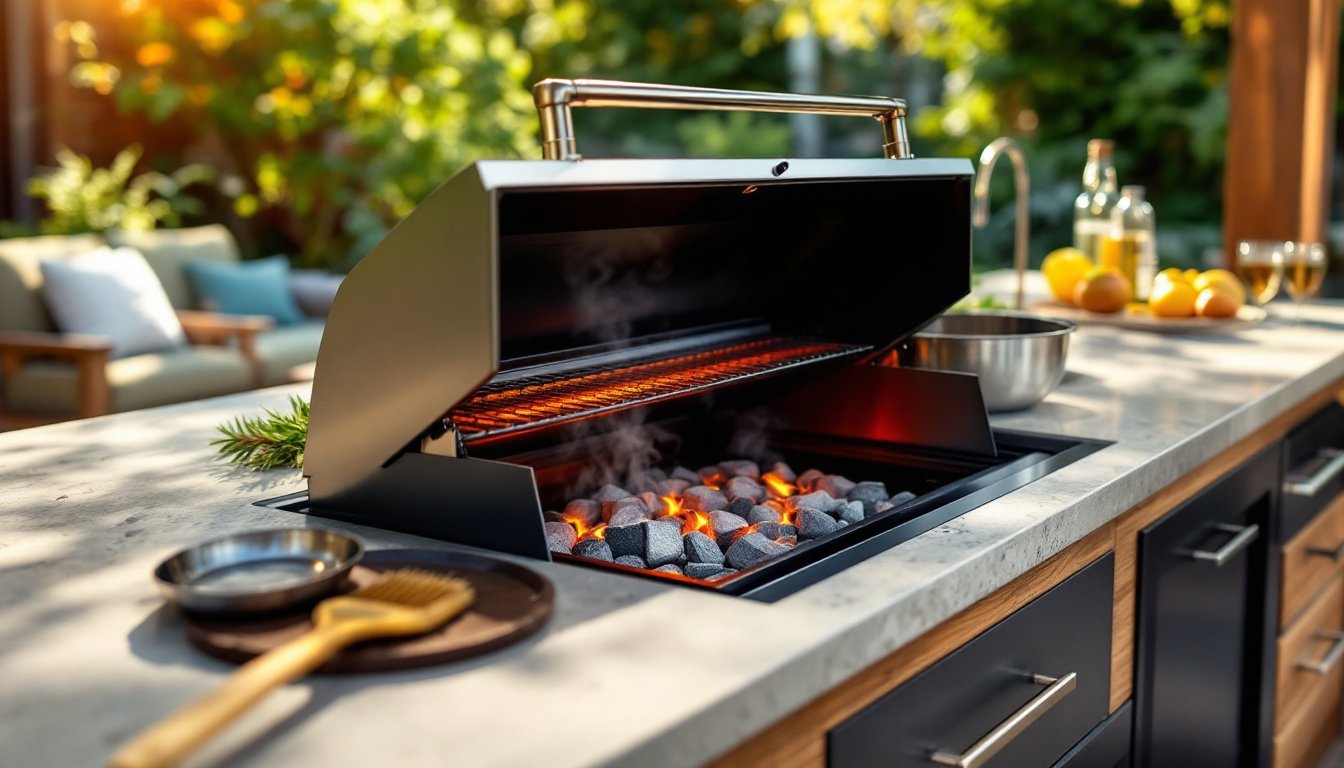
Charcoal grills remain the budget champions, starting at $150-300 for reliable kettle-style models that’ll last a decade. You’re trading convenience for flavor and lower cost. Charcoal requires setup time, more active temperature management, and cleanup involves ash disposal. But the smoke flavor is unmatched for burgers, ribs, and brisket.
Pellet grills ($500-1,500) split the difference nicely. They use wood pellets (usually hardwood blends like oak, hickory, or cherry), offer smoke flavor closer to charcoal, and run on simple set-and-forget digital controls. The catch: they need a power outlet or battery system within 25 feet, and you’re sourcing pellets regularly. A 20-pound pellet bag costs $7-12 and burns for roughly 6-8 hours depending on temperature.
Don’t sleep on offset barrel smokers ($300-800) if low-and-slow cooking appeals to you. These aren’t grills for everyday cooking, but they excel at the thing they do. Charcoal burns in one chamber, smoke travels across the food in the main chamber, and airflow controls heat from 225°F to 300°F reliably.
When budget is tight, a simple charcoal kettle grill paired with careful technique beats a cheap gas grill that underperforms. You control the heat by adjusting vents and coal arrangement, and the learning curve is manageable over a few cookouts.
Built-In Grill Systems for Permanent Outdoor Kitchens
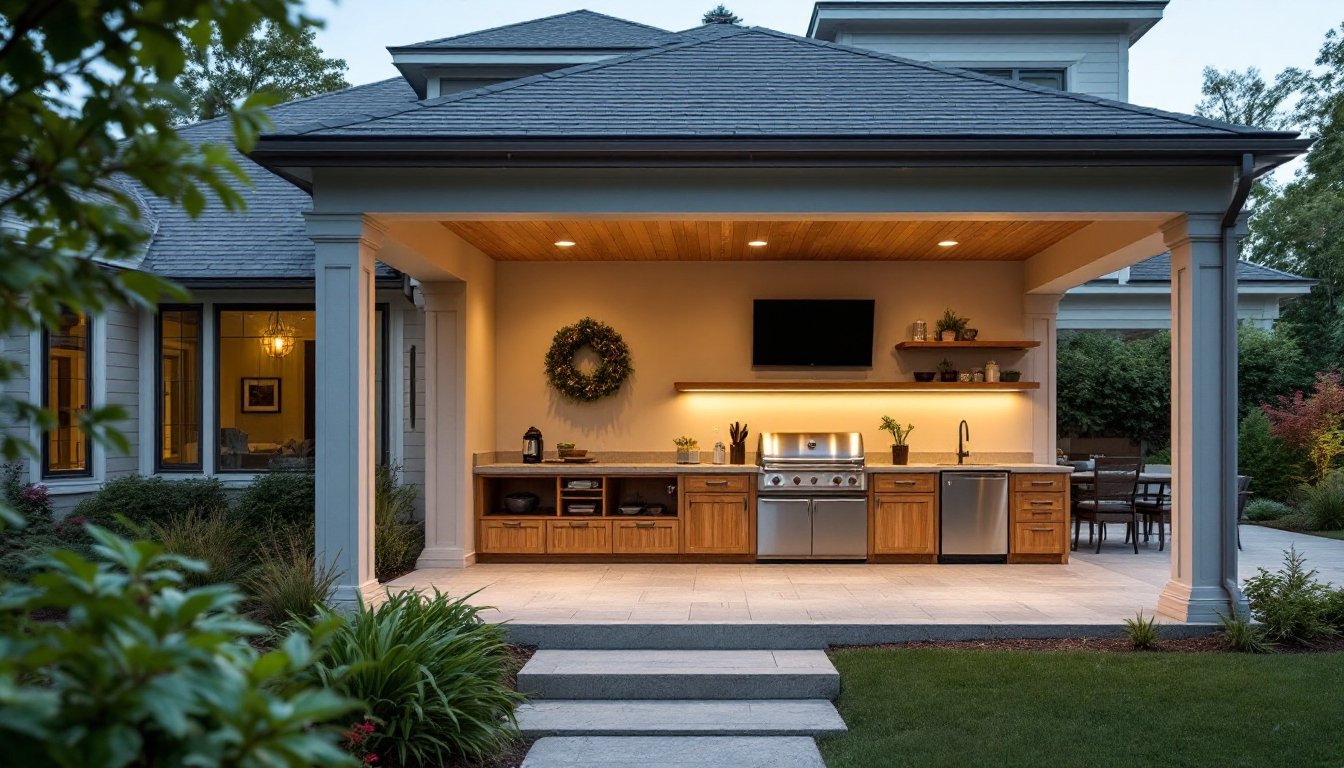
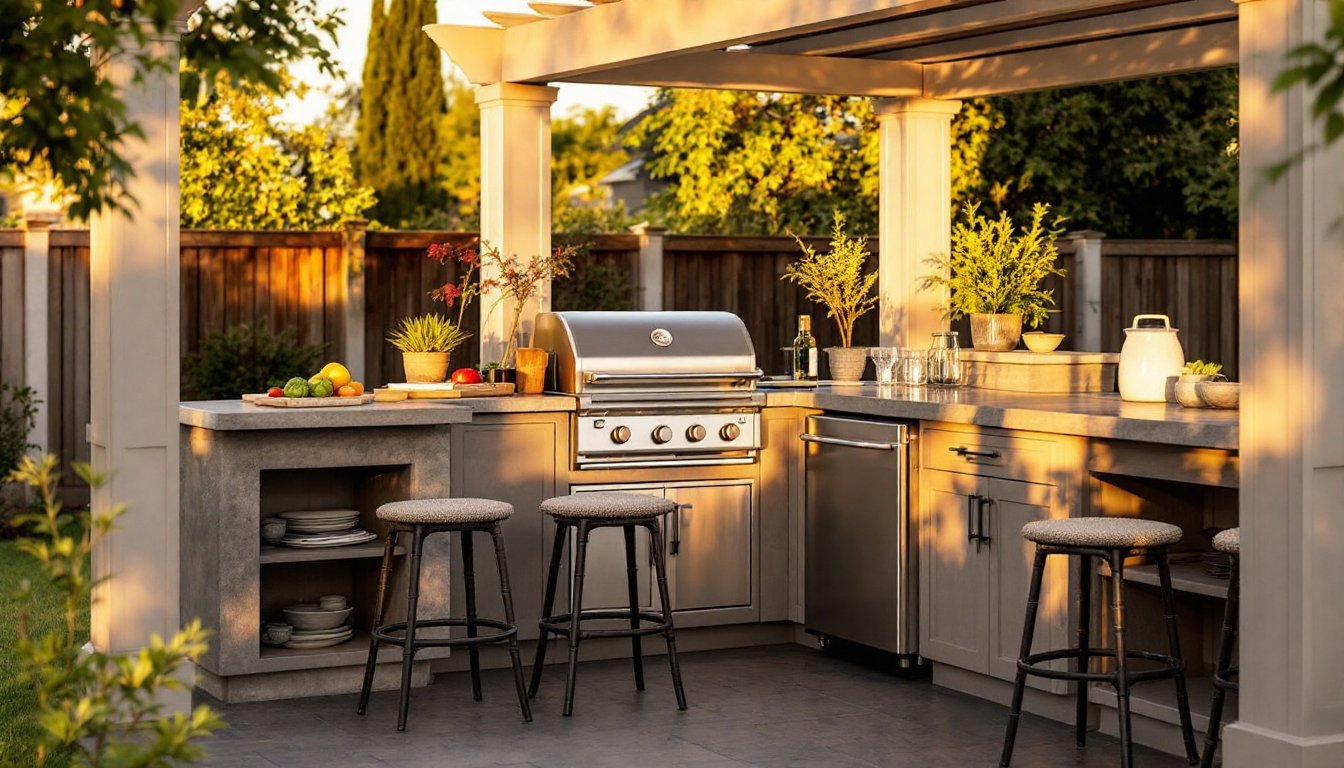
A true outdoor kitchen, complete with sink, cooler, and counter space, demands a built-in grill as the centerpiece. These systems ($2,500-6,000+) install flush into cabinetry and integrate with your overall design. You’re committing to the location, so site placement matters enormously. Position it away from the house (fire safety codes typically require 10 feet clearance), with wind in mind to keep smoke away from seating areas.
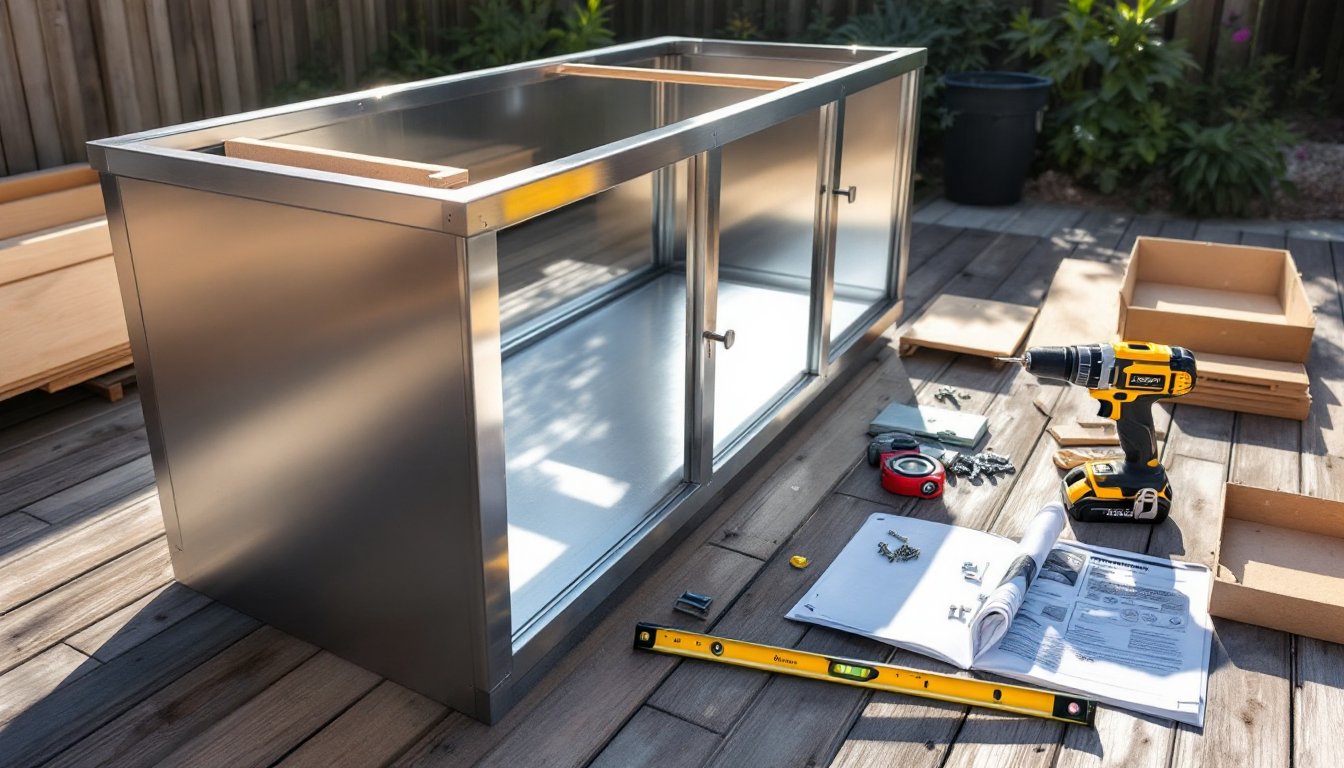
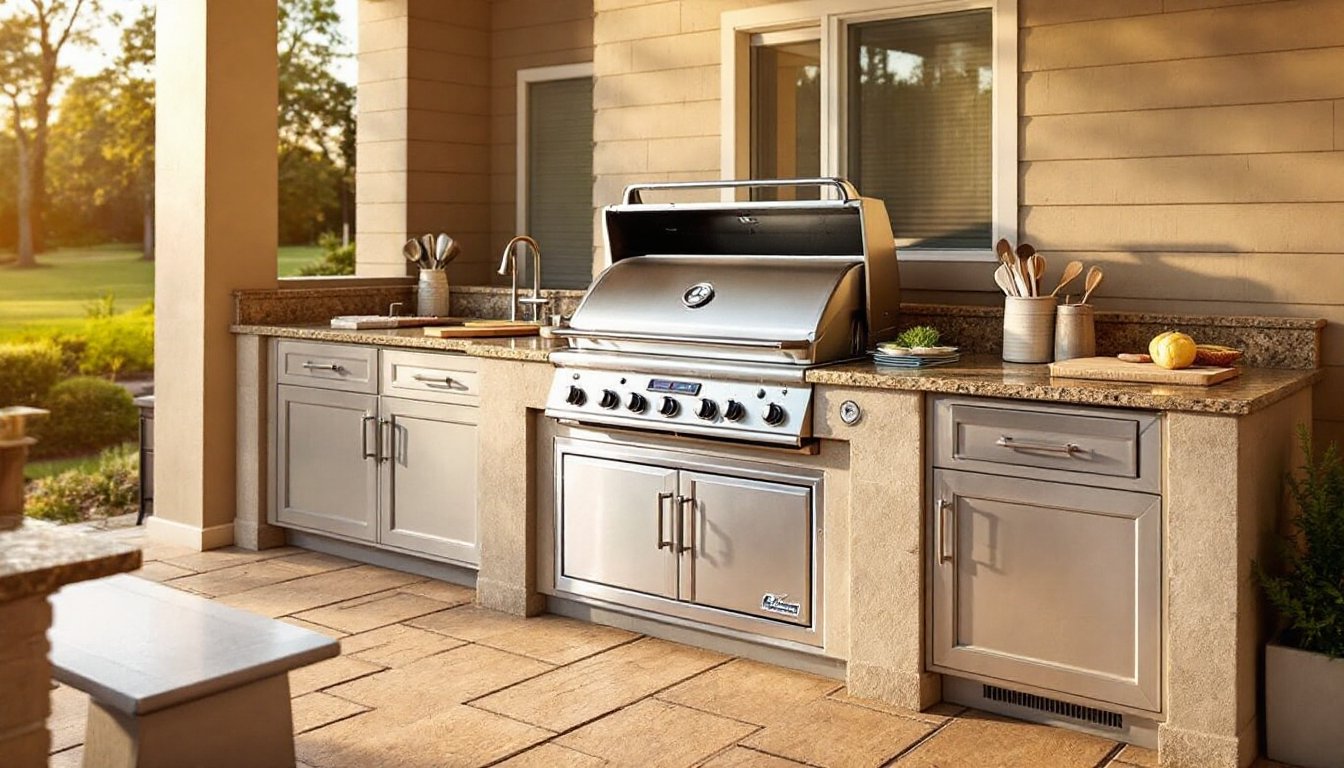
Built-in gas grills usually come as inserts that drop into a cut opening in stone or wood cabinetry. They’re higher-end because the frame, burners, and components must withstand zero-clearance mounting (no air gaps underneath). Natural gas hookups are ideal for permanence, but they require a licensed installer and a permit in most jurisdictions, don’t skip this step.
Installation considerations: you’ll need proper ventilation if there’s a roof or pergola above the grill, and electrical for any lighting, rotisserie motors, or side burners. Many outdoor kitchen installations run utilities (gas, electric, water) underground in PVC conduit during construction, it’s messy but necessary.
Approximately 65% of high-end outdoor living spaces incorporate built-in outdoor kitchen designs that integrate grills, prep surfaces, and storage. The investment pays off in functionality and resale appeal if you’re staying long-term. Factor in cabinetry, countertops, and finishing materials, the grill itself might be only 30% of the total cost.
Portable Grills for Flexible Outdoor Entertaining
Not everyone wants a permanent installation. Portable grills ($200-1,200) let you adjust placement seasonally, store them away, or take them to the beach or campground. Compact gas models (250-400 square inches) weigh 30-50 pounds and deliver respectable heat for 2-4 people. Brands in the $400-800 range offer solid controls and even heating on a manageable cart or stand.
Charcoal portables, from simple Weber Kettles ($150-250) to more refined models with side tables and ash traps ($300-600), remain the gold standard for tailgating and casual entertaining. They’re durable, affordable, and the flavor game is unbeatable.
Pellet-style portables and smaller smoker boxes ($500-1,200) have surged in popularity for versatility. These units are heavier (60-100 pounds) and need a power source, but they handle grilling, smoking, and slow-roasting in one device.
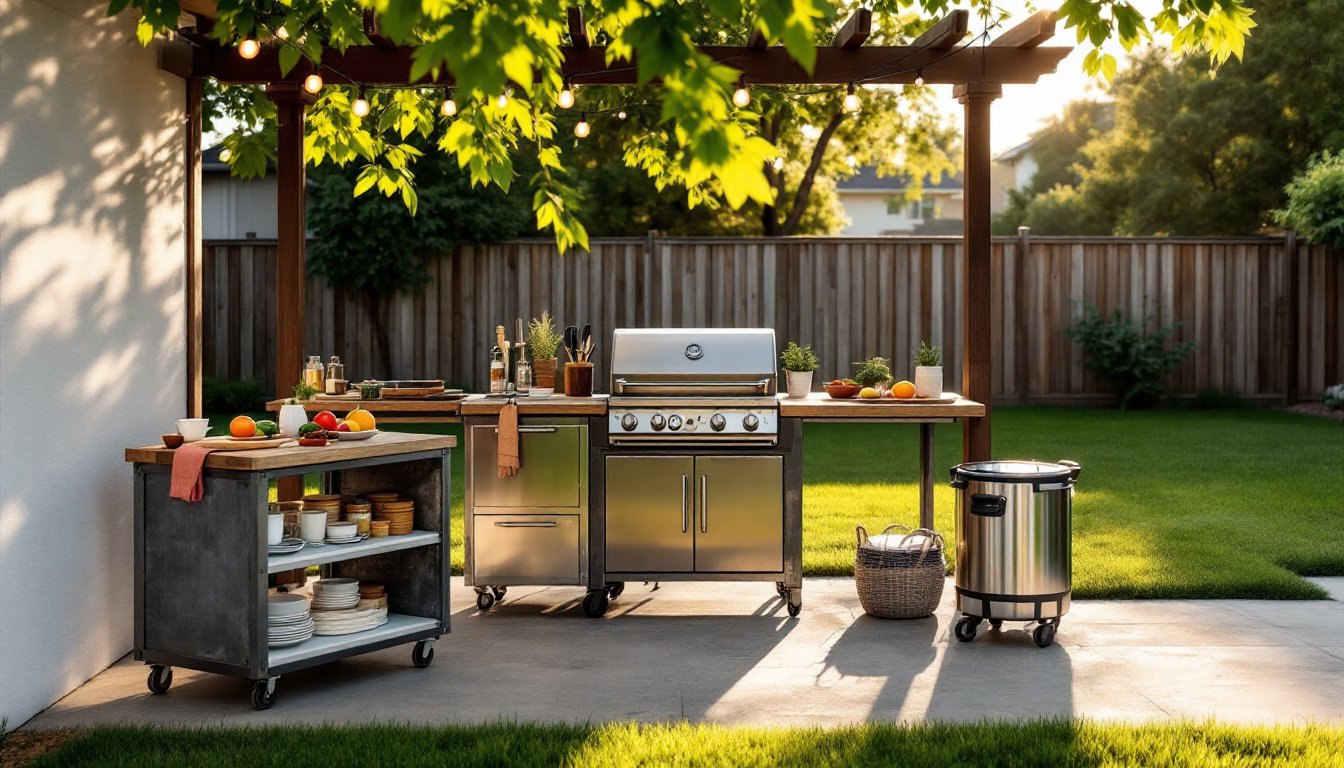
The trade-off: portables sacrifice the counter space and integrated storage of built-in systems. But they offer flexibility, perfect for renters, people with smaller lots, or those who like rearranging their outdoor layout. A good portable paired with a sturdy outdoor prep table gives you surprising functionality for entertaining without permanent installation costs.
Installation and Maintenance Tips for Long-Term Success
Where you place your grill sets the tone for everything. Choose a level, stable surface with good drainage (no standing water pooling nearby). If installing on a deck, check local building codes, most jurisdictions require a 10-foot setback from your house, and you may need an undercarriage shield or non-combustible mat. Natural gas and propane installs need a licensed contractor in most areas: this isn’t a DIY electrical job.
Seasoning your grates extends their life and improves food release. On first use, scrape the grates clean, coat them lightly with high-heat oil (like avocado or grapeseed oil), then run the grill at medium-high heat for 15 minutes. Repeat every few months or after deep cleaning.
Seasonal maintenance keeps rust and degradation at bay. Before winter storage, run the grill at medium heat for 10 minutes to dry out any moisture, let it cool completely, and cover it with a heavy-duty grill cover (not plastic sheeting, which traps moisture). Clean the grease trap every 5-8 uses to prevent grease fires. In spring, inspect hoses for cracks or brittleness, clean or replace the thermometer if it’s inaccurate, and scrape grates thoroughly.
For long-term storage over winter, if you’re in a freezing climate, consider disconnecting propane tanks and storing them in an unheated garage, cold doesn’t hurt them, but extreme temperature swings encourage condensation. Check gas connections annually with soapy water: bubbles indicate a leak.
Conclusion
The best grill for you depends on your space, budget, and cooking style. A reliable mid-range gas grill ($1,200-2,000) covers most families’ needs, while charcoal lovers should embrace the learning curve and lower cost. If you’re building a permanent outdoor kitchen, invest in quality and plan for professional installation. And remember: the grill itself is just the start. Pair it with proper maintenance habits, a solid cover, and intentional placement, and you’ll be grilling for years. Start by revisiting what you actually cook and how often you entertain, then choose accordingly, not based on hype or feature creep.