Table of Contents
ToggleAn outdoor kitchen transforms your backyard from a forgotten patch of grass into a gathering place where cooking and entertaining blend seamlessly. Whether you’re a weekend griller looking to expand or a serious home chef ready to build your own outdoor kitchen, the fundamentals remain the same: smart planning, solid construction, and the right equipment. This guide walks you through each phase, from layout and design through maintenance, with practical advice and honest assessments of difficulty. Most homeowners can tackle the foundation and finishing work themselves, though some tasks (gas line installation, electrical work) may need a licensed pro depending on local code.
Key Takeaways
- Building your own outdoor kitchen requires smart planning on layout, budget ($2,000 to $20,000+ depending on features), and checking local permits before starting construction.
- A functional outdoor kitchen needs essential appliances—a quality grill, cooktop, sink with hot water, and refrigeration—positioned for 8 to 10 feet of minimum counter space to maximize usability.
- Invest in durable materials like granite, quartz, or stainless steel countertops and use pressure-treated or composite framing to withstand outdoor weather and temperature swings.
- Gas line installation, electrical work, and plumbing require licensed professionals in most jurisdictions; DIY attempts violate building codes and create safety hazards.
- Consistent maintenance—cleaning grates after each use, sealing countertops annually, draining water lines before winter, and testing gas connections—extends your outdoor kitchen’s lifespan to 15-20 years.
Plan Your Layout and Design
Assess Your Space and Budget
Before buying a single piece of equipment, measure your yard and identify which area gets the most use and afternoon sun exposure. Most outdoor kitchens need 8 to 10 feet of linear counter space at minimum: sketch out your layout on graph paper or use a simple online tool. Consider sight lines from your patio and deck, you’ll want to face your guests while cooking, not hide behind a wall.
Budget depends heavily on your ambitions. A basic setup with a grill, sink, and counter space runs $2,000 to $5,000 in materials and labor. A mid-range kitchen with refrigeration, multiple burners, and stone counters costs $8,000 to $15,000. High-end installations with built-in pizza ovens and full cabinetry exceed $20,000. Remember that costs vary by region and material availability, get local quotes before committing. Homeowners building in phases often start with the grill and counters, then add a sink or fridge later once the core structure is solid.
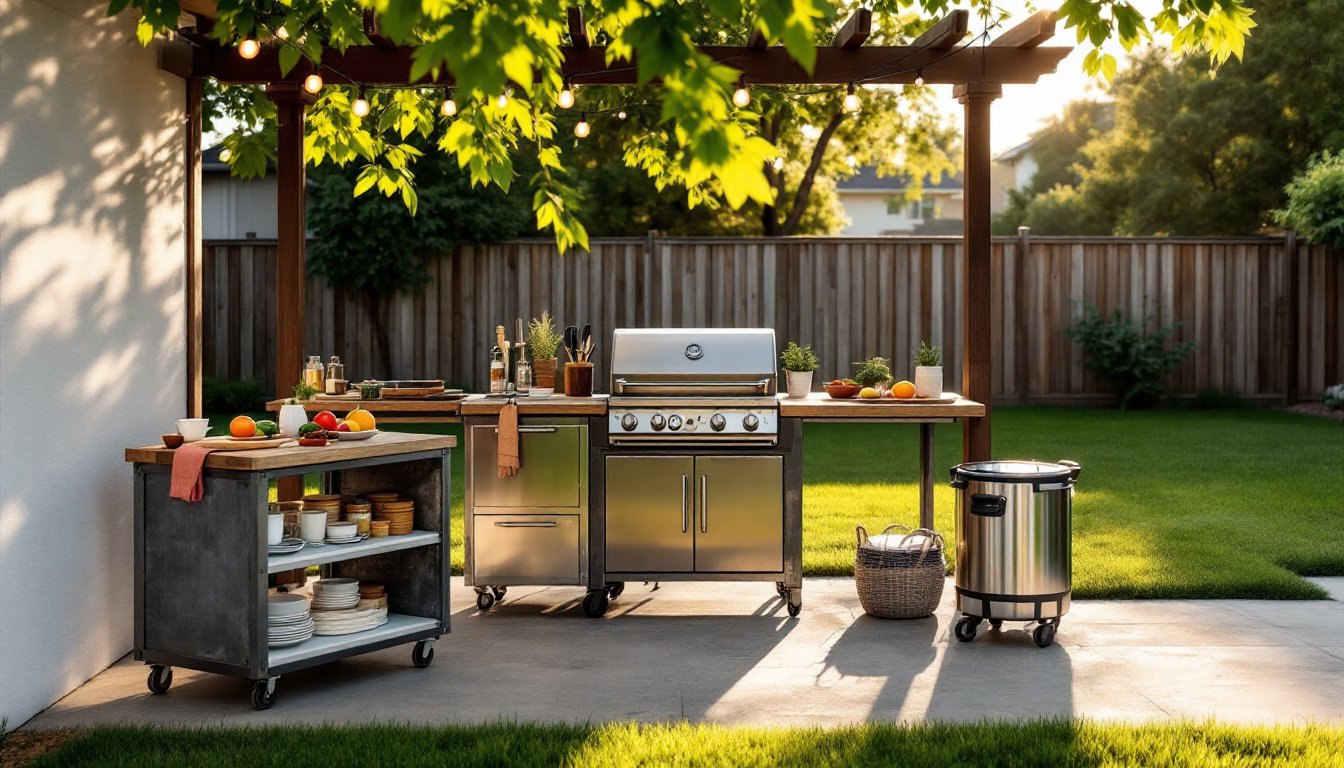
Decide whether you’re building a freestanding setup or integrating your kitchen into an existing patio edge. Freestanding islands are easier to customize and don’t tie you to a specific building footprint. Wall-mounted designs maximize square footage on smaller lots. Outdoor Living Trends 2026, with many favoring modular, adaptable layouts that grow over time.
Permits vary by location, some jurisdictions require them for electrical or gas work, others don’t. Check with your local building department before digging or pouring concrete. Having a clear site plan prevents headaches later.
Essential Appliances and Cooking Equipment
Grills, Burners, and Cooktops
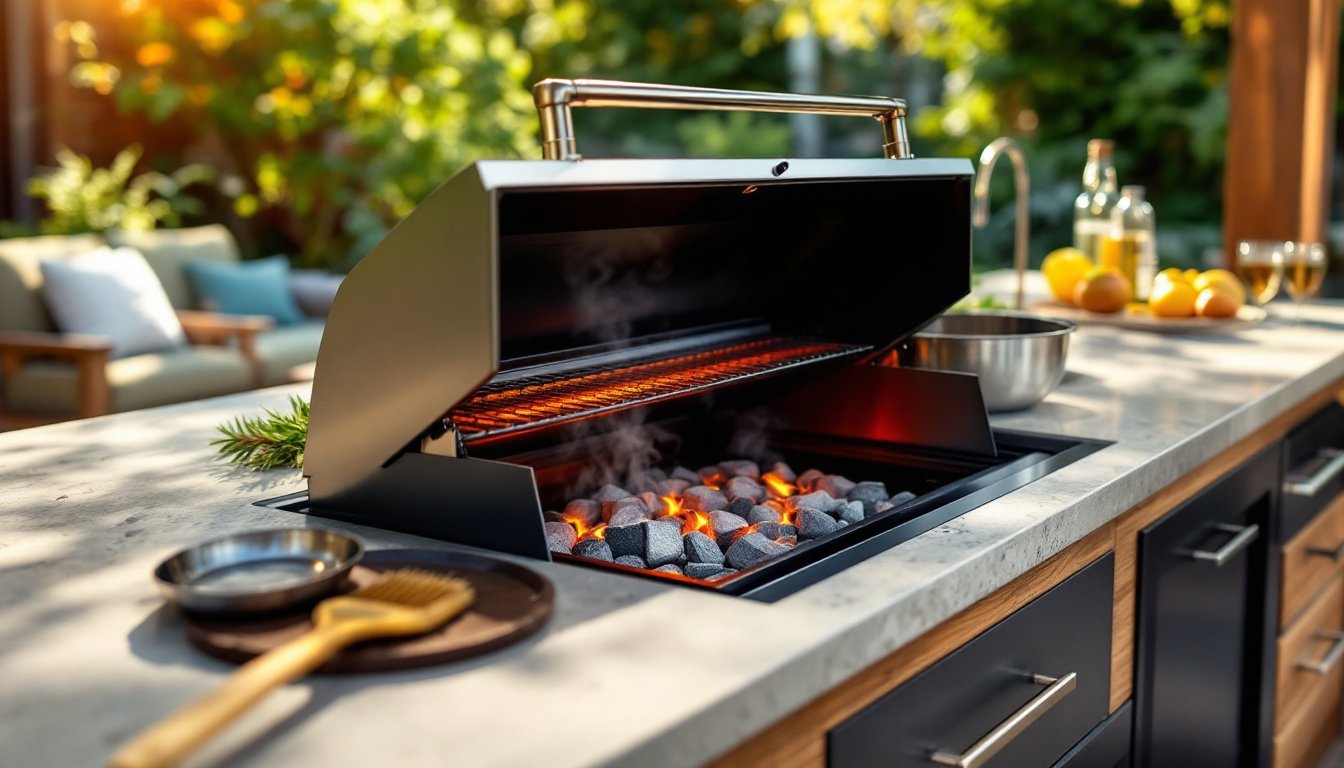
Your grill is the centerpiece. Stainless steel gas grills hold heat well and are easy to control: sizes range from 24 inches to 48 inches in width. Look for models with cast iron or stainless grates, they retain and distribute heat evenly. If you prefer charcoal or wood-fired cooking, plan extra space and insulation since those setups run hotter. Propane grills are portable: natural gas lines require a licensed installer but offer unlimited fuel without tank swaps.
Burner cooktops add flexibility for sauces, soups, or wok cooking. A side burner mounted next to the grill (typically 12 to 18 inches wide) handles secondary prep. Standalone cooktops with two or four burners let you run a full cooking operation parallel to the grill. Gas is standard, though electric and induction cooktops exist for kitchens with robust power lines.
Refrigeration prolongs the outdoor season. A compact undercounter fridge or ice maker fits in your cabinetry and keeps ingredients and drinks cold without frequent trips indoors. Marine-grade models withstand humidity and temperature swings better than standard kitchen appliances. Most draw 15 to 20 amps, so plan electrical layout accordingly.
A sink with hot water elevates functionality from novelty to necessity. Prep work, cleaning, hand-washing, a small 18 to 24-inch stainless sink makes all the difference. Hot water requires either a tankless heater or a small on-demand system: running a separate line from your house heater is possible but adds complexity. How to Create the Perfect Outdoor Living Space starts with functionality: a sink, shelter, and comfortable workspace come before aesthetics.
Build Your Foundation and Countertops
Start with a solid, level foundation. If you’re building on existing concrete, clean it thoroughly and check level with a long straightedge. Small slopes, up to ½ inch per 4 feet, won’t break the project, but larger ones mean you’ll need to adjust your frame or pour a new base.
For a freestanding island, a 4-inch reinforced concrete slab is the standard. Mark out your footprint, excavate 4 to 6 inches deep, and compact the soil. Lay down landscape fabric to prevent weeds, add 4 inches of gravel, and compact again. Build a level frame using 2×4 lumber and pour concrete, adding a slight pitch (1/8 inch per foot) to shed water. Let it cure for at least 48 hours before building on top.
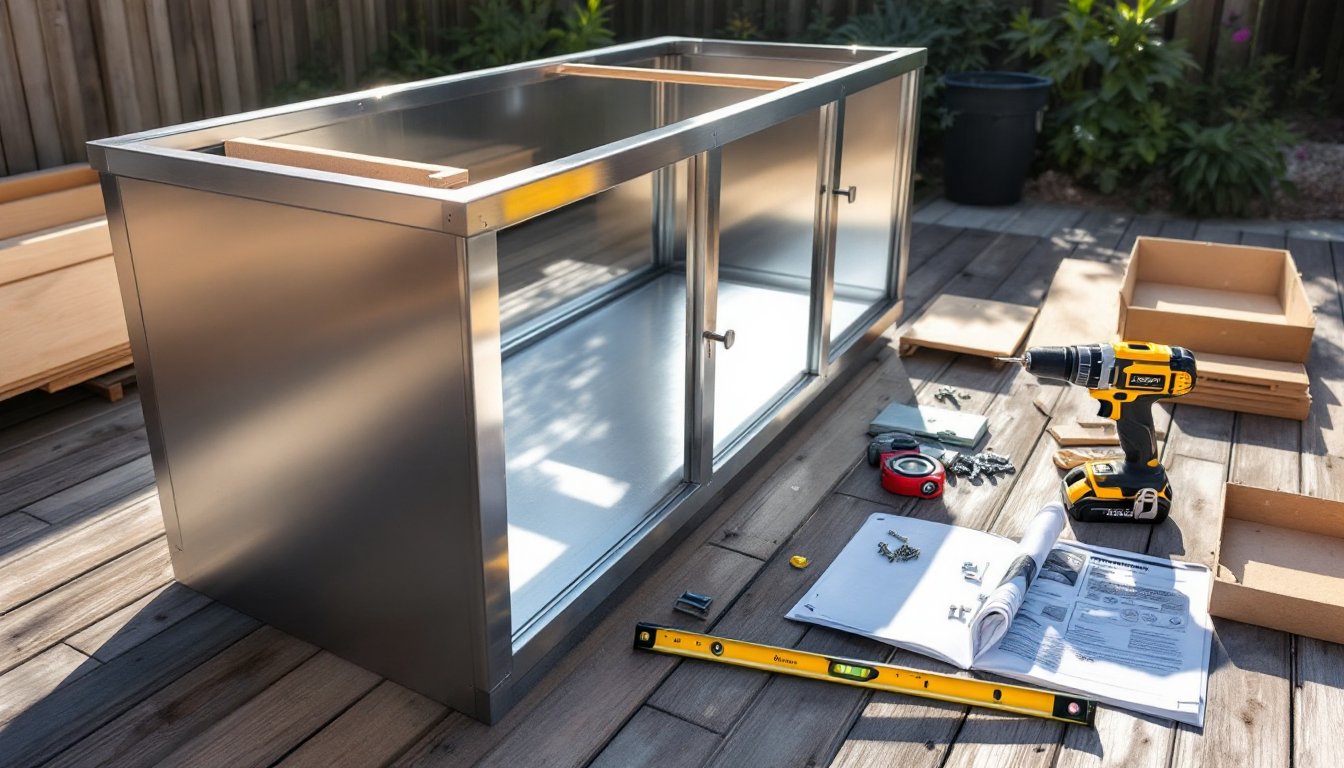
Framing the cabinet box uses 2×4 studs spaced 16 inches on center for durability. Pressure-treated lumber resists moisture, though cedar or composite materials age more gracefully. Secure studs to your foundation with concrete anchors. Build a simple frame, essentially a large rectangular box, then add internal dividers for appliance cutouts. Standard countertop height is 36 inches: match your indoor kitchen if you want visual continuity.
Countertop material matters both for durability and cost. Granite or quartz cost $50 to $150 per square foot installed but handle temperature swings and last decades. Stainless steel is budget-friendly ($30 to $80 per square foot) but shows fingerprints and requires regular polishing. Concrete offers a modern look and accepts custom stains, though it needs periodic sealing. Best Outdoor Living Ideas to Transform Your Space emphasize materials that weather naturally or age beautifully rather than requiring constant upkeep.
Cut precise holes for your appliances, measure twice, cut once. Grill, cooktop, sink, and fridge each need custom openings. Use a jigsaw for curves and a circular saw for straight cuts. Seal all exposed wood edges with exterior polyurethane to prevent rot.
Add Storage, Utilities, and Finishing Touches
Cabinet doors and drawers keep gear organized and protected. Use stainless steel hinges and handles, standard cabinet hardware corrodes quickly outdoors. Marine-grade plywood or composite materials resist warping better than solid wood. Access your grill tank, propane lines, and electrical wiring from lower cabinets so you can service equipment without dismantling your counters.
Electrical work usually requires a licensed electrician. You’ll need 15 or 20-amp circuits for a cooktop, fridge, and lighting. GFCI (ground-fault circuit interrupter) outlets protect against shock in damp conditions, code requires them within 6 feet of water sources. Run conduit (not exposed wire) and bury cables at least 18 inches deep if they cross the yard. Get an inspection before backfilling.
Gas lines must be installed by a licensed professional in most jurisdictions. Propane tanks stay aboveground and outside the kitchen footprint for safety: natural gas lines are buried and require digging permits. Never DIY gas connections, leaks are invisible and dangerous.
Plumbing for your sink requires either a hot and cold water line from your house or a small recirculating tank. Drainage goes to a gravel pit or grey-water system (check local code, some areas prohibit it). Insulate exposed pipes in cold climates to prevent freezing.
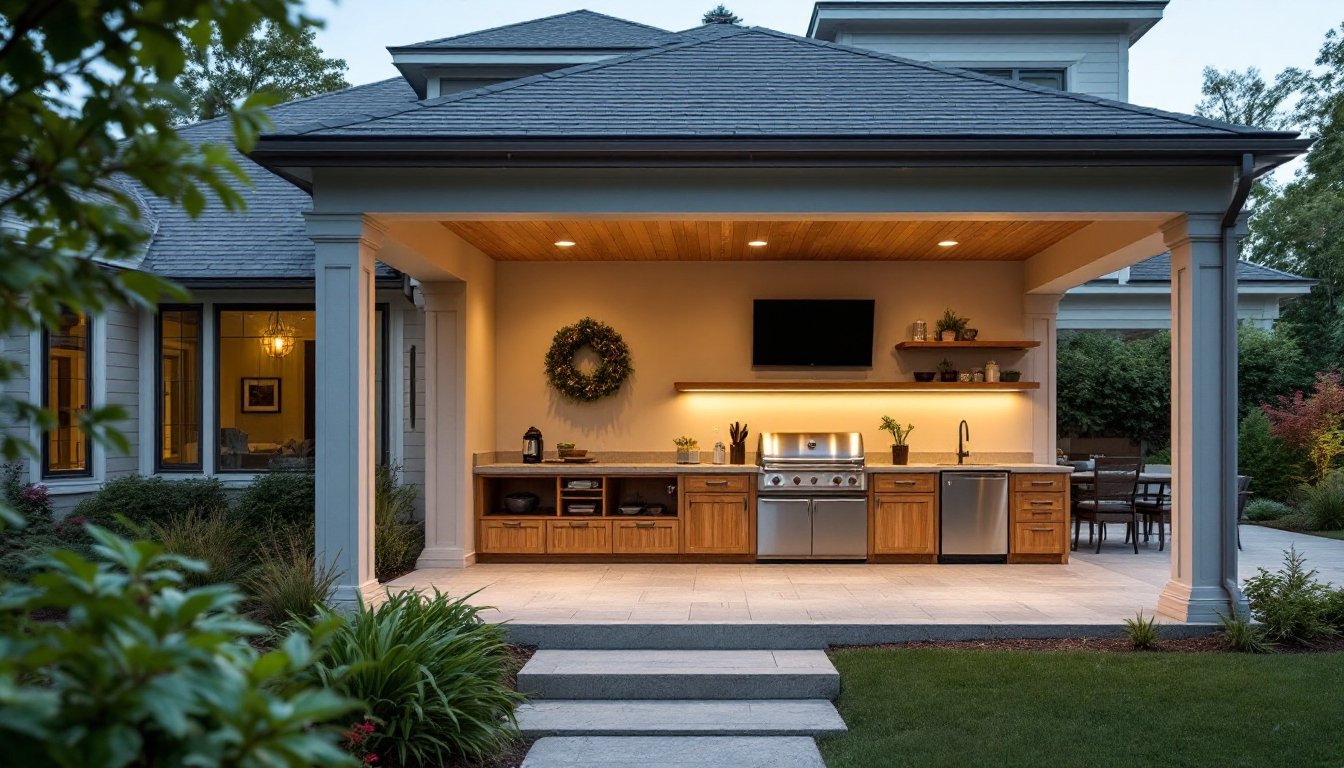
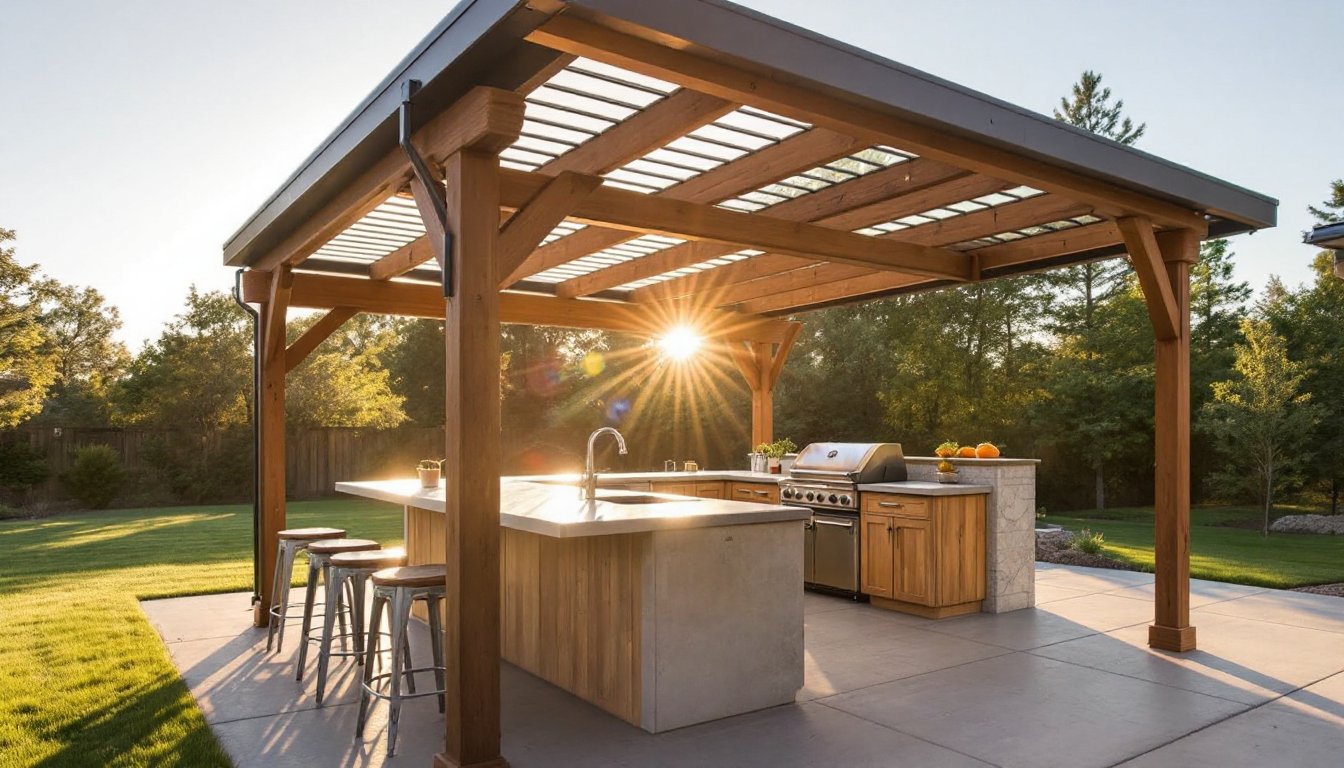
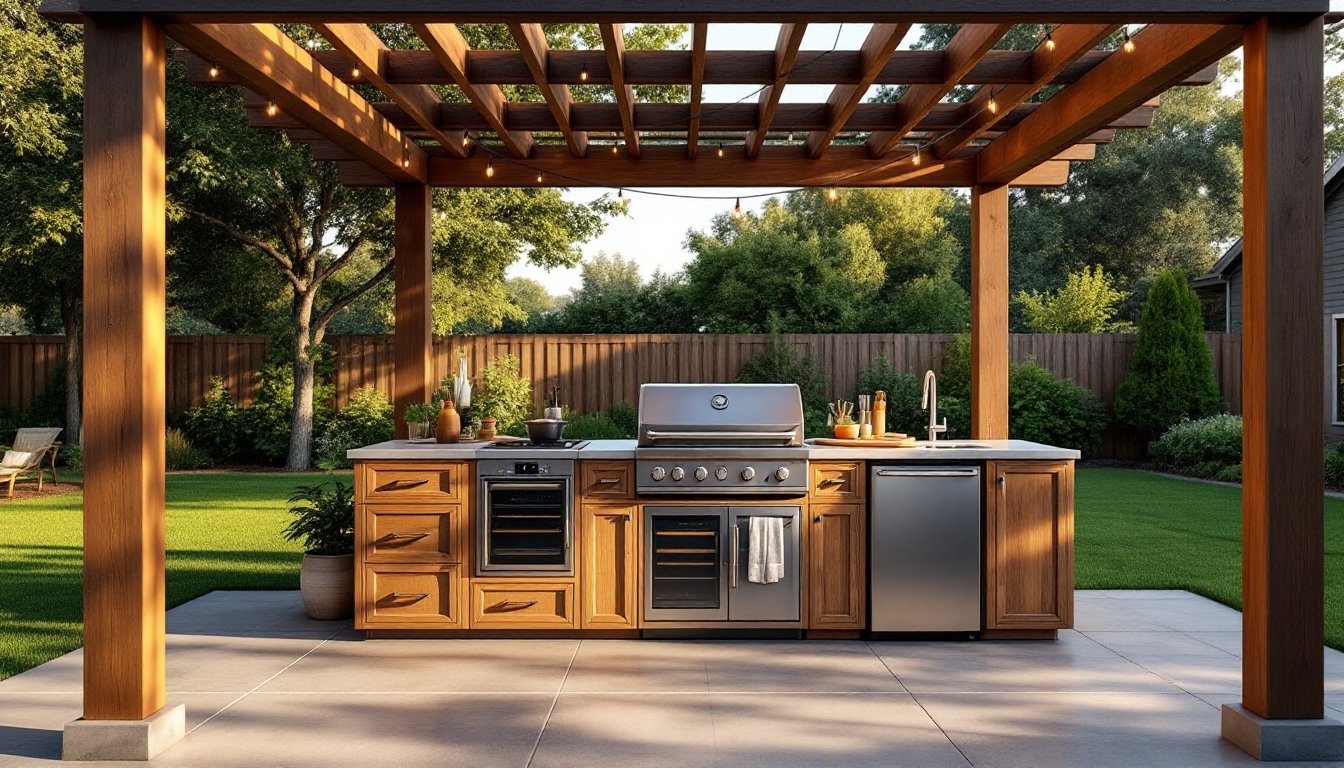
Lighting extends your kitchen into the evening. String lights, recessed under-counter LEDs, or pendant fixtures over the cooking area work well. Low-voltage options are easier to install than standard electrical. A ceiling or pergola overhead reduces glare and sun exposure, plus it shelters you during light rain.
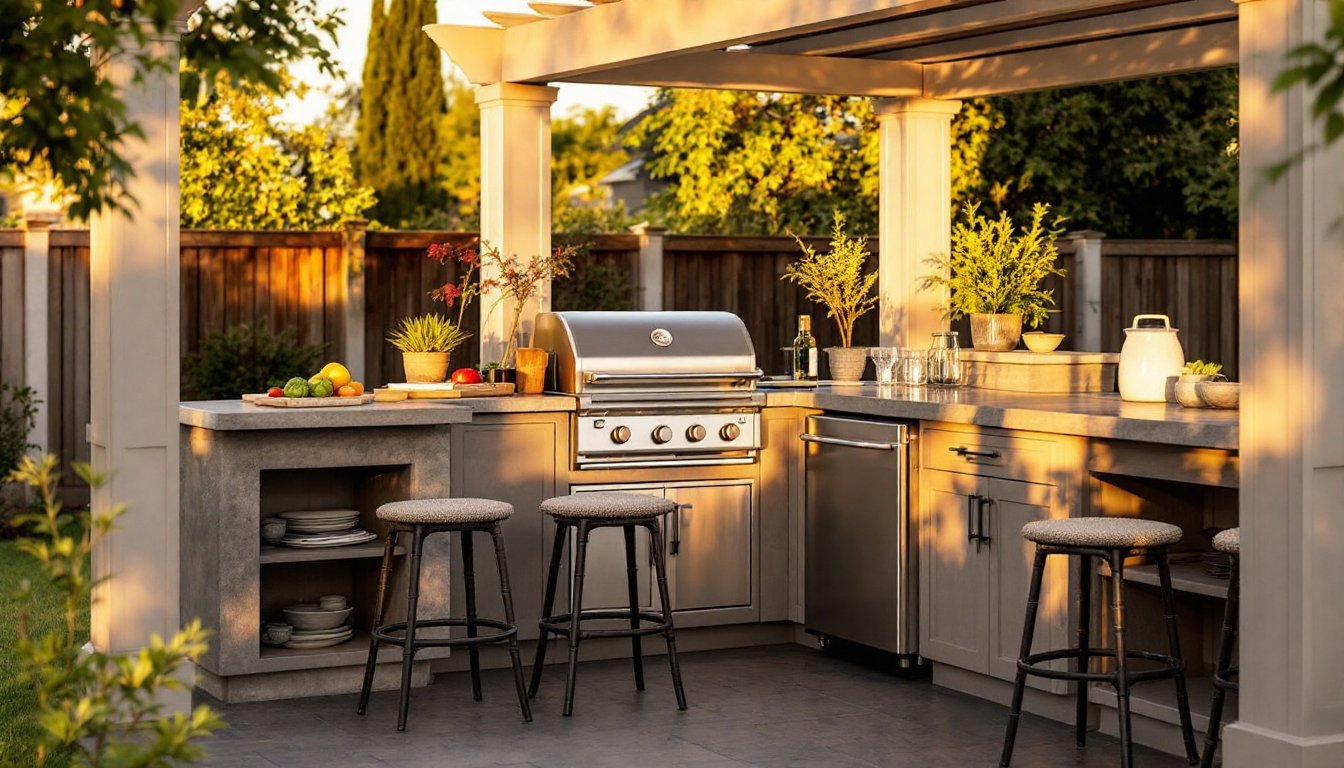
Shelving, hooks, and a small bar top add character and function. Outdoor Living Tips: Transform Your Backyard Into a Personal Retreat stress that finishing details, a place for utensils, a small bar surface for guests, turn a cooking station into a living space. A small built-in ice maker or beverage cooler under the counter is a luxury many homeowners regret not adding.
Maintain Your Outdoor Kitchen Year-Round
Regular maintenance keeps your investment functional and looking sharp. Clean your grill grates after every cook session using a stainless steel brush, food residue and grease buildup cause corrosion. Wipe down stainless steel surfaces weekly with a microfiber cloth and mild dish soap: specialized stainless steel cleaner prevents fingerprints if you’re particular.
Seal stone countertops annually, granite and marble need penetrating sealers to resist staining and etching. Concrete and quartz have different requirements, so follow your material’s documentation. Wood elements (pergolas, trim) benefit from an annual coat of exterior stain or sealant, especially if you live in a wet climate.
Before winter (or extended off-seasons), drain all water lines to prevent freeze damage. Disconnect propane tanks and store them in a cool, dry place. Cover your grill and appliances with breathable tarps to shed rain and snow without trapping moisture underneath, vinyl covers that seal tightly can promote rust and mildew.
Check gas connections annually for leaks using a soapy water test: mix dish soap with water, brush it on fittings and hoses, and look for bubbles. If you spot leaks, don’t attempt a repair, call a certified technician. Inspect electrical outlets for corrosion and verify GFCI outlets trip properly once a year.
If your outdoor kitchen is covered by a pergola or roof, inspect fasteners and seals annually. Outdoor Living Examples to Transform Your Backyard show that well-maintained kitchens last 15 to 20 years: neglected ones deteriorate in half that time. Many homeowners find that scheduling maintenance as part of spring yard prep, like refreshing a deck or cleaning gutters, keeps the habit consistent and costs manageable over time.