Table of Contents
ToggleA backyard doesn’t have to feel like an afterthought. With the right design approach, your outdoor space can become as inviting and functional as any room inside your home. Outdoor living room ideas are evolving in 2026, moving beyond just a grill and some lawn chairs toward thoughtfully designed retreats where families actually want to spend time. Whether you’re working with a small patio or sprawling acreage, these practical strategies will help you create a space that’s both comfortable and built to last through seasons of use and weather exposure.
Key Takeaways
- Outdoor living room ideas thrive when built on durable, weather-resistant furniture like teak, cedar, or aluminum that withstands UV exposure, moisture, and temperature changes without deteriorating.
- Layered lighting—combining ambient, task, and accent lighting—transforms your patio into a functional and inviting nighttime retreat while ensuring safety around cooking and dining areas.
- Shade structures like pergolas, retractable awnings, and market umbrellas are essential for comfort and protecting fabrics, with proper maintenance extending their lifespan significantly.
- Define and anchor your outdoor space using outdoor rugs, planters, and landscaping to create intentional zones that feel cohesive rather than cluttered or accidental.
- Entertainment features such as fire pits and outdoor kitchens turn a living room into a genuine gathering place where families actually spend quality time together.
- Zone planning—separating cooking, dining, and lounging areas—ensures smoke and prep work don’t interfere with guest comfort, making your outdoor space genuinely usable.
Create A Cozy Seating Area With Weather-Resistant Furniture
The foundation of any outdoor living room is durable seating that won’t deteriorate after a few seasons. Unlike indoor furniture, outdoor pieces need to handle UV exposure, moisture, and temperature swings without falling apart.
Look for frames made from teak, cedar, or aluminum, materials that naturally resist rot and decay. Teak is pricey but essentially bomb-proof: cedar is more budget-friendly and still weathers beautifully: aluminum is lightweight and won’t rust. Avoid untreated pine or particle board, which will swell, splinter, and fail quickly.
For cushions, select fabrics labeled solution-dyed acrylic or Sunbrella, which resist fading and shed water rather than absorbing it. Cheaper outdoor fabrics soak up moisture and become mildewed and heavy. Store cushions in a weatherproof bench or cover them with a fitted storage bag during off-season or heavy rain.
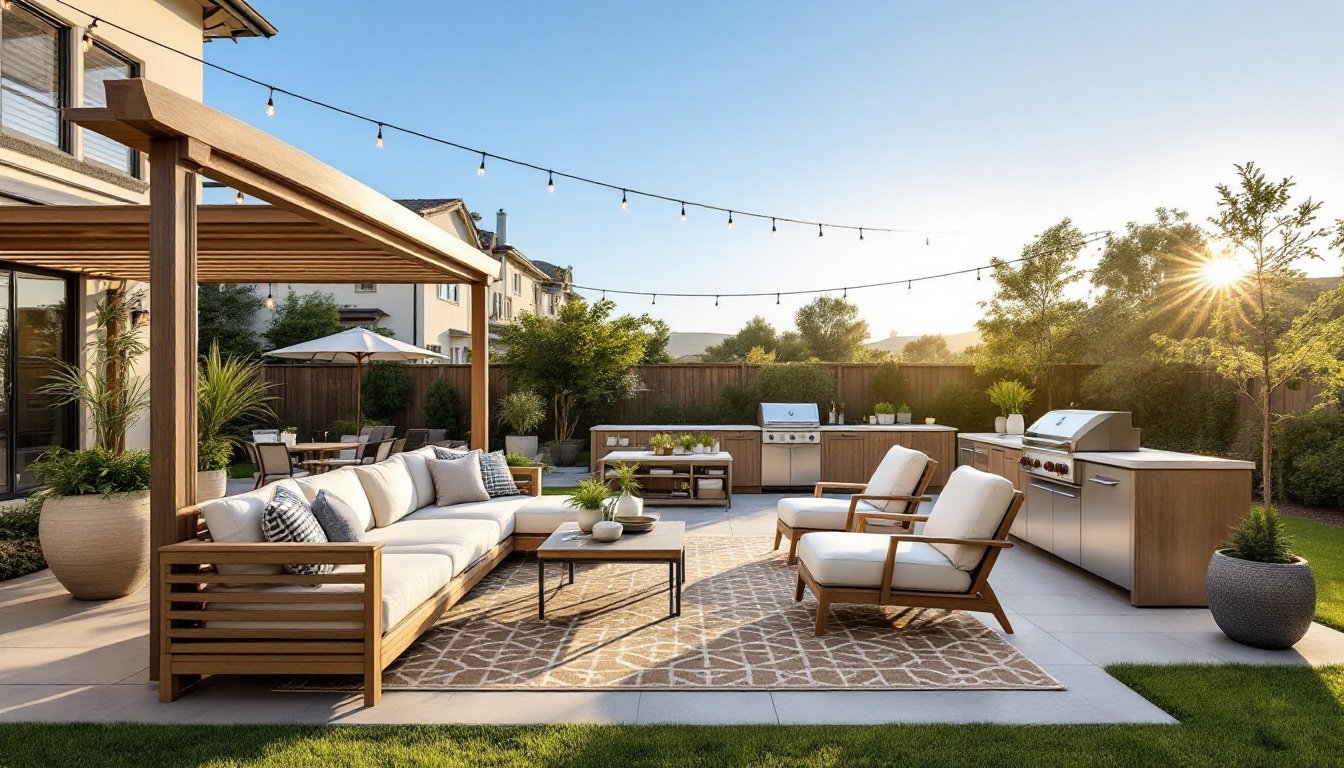
A mix of seating styles works best: a sturdy sofa or sectional as the anchor, paired with lounge chairs and an ottoman for flexibility. Best Outdoor Living Ideas recommends measuring your space first, scale matters more than quantity. Overcrowding kills comfort and makes the area feel cluttered rather than inviting.
Add Shade With Pergolas, Awnings, Or Market Umbrellas
Shade isn’t a luxury, it’s essential. Sitting in full sun isn’t comfortable, and it degrades fabrics and finishes fast.
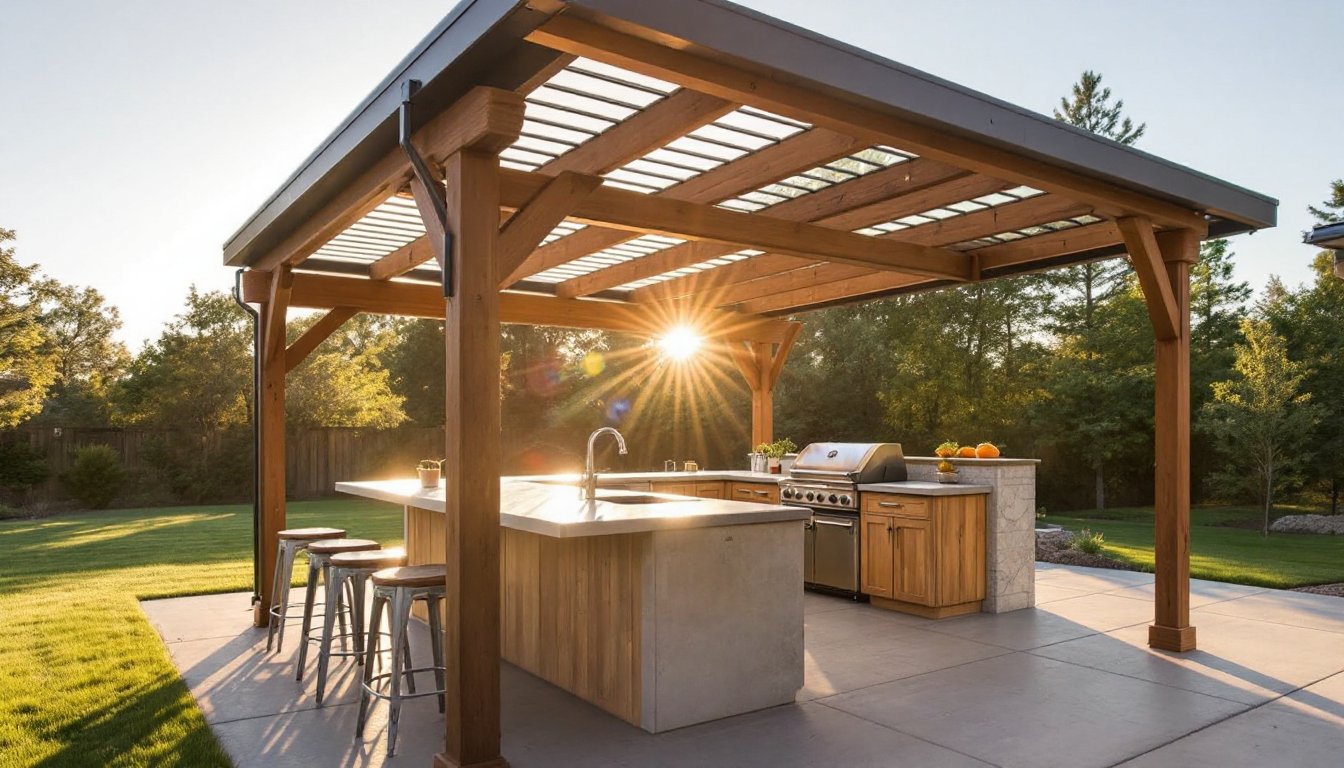
Pergolas offer style and partial shade. A freestanding or attached pergola with 2×6 beams spaced 12 to 18 inches apart creates dappled light and visual interest without blocking all airflow. If you want more control, add retractable shade cloth or motorized louvers. Attached pergolas need proper footings and ledger board installation: this is worth hiring out if you’re not experienced with structural fastening.
Retractable awnings work for covered patios or decks. They collapse in wind and store cleanly but cost more upfront. Manual crank versions run $800–$2,000: motorized models with sensors add another $1,000+.
Market umbrellas are the easiest quick fix, look for 9 to 11-foot diameters with tilt mechanisms. Weighted umbrella bases prevent tipping: use cross-base stands or concrete footings rather than water-filled bags, which splash and wear out. External bracing arms or offset umbrellas position shade exactly where you need it without a center pole blocking seating.
Regular maintenance matters: rinse fabric shade regularly and inspect fasteners annually for corrosion or loosening.
Install Outdoor Lighting For Ambiance And Function
Lighting transforms a daytime patio into a nighttime retreat. The key is layering, ambient light for general visibility, task light for cooking or eating, and accent light for mood.
Ambient lighting comes from overhead options: soffit-mounted fixtures, recessed deck lights, or string bistro lights. String lights add warmth and character: space them 8 to 10 feet apart and ensure they’re rated for wet locations (wet-location/damp-location rating, not just indoor).
Task lighting matters around dining tables, grills, or bar areas. Pendant fixtures suspended 30 to 36 inches above a table are standard. LED bulbs save power and run cooler, reducing heat on a summer evening.
Accent lighting highlights architectural features or plantings. Low-voltage landscape lights or uplighting beneath trees create depth and visual interest without harsh glare.
All outdoor electrical work 15+ feet from the house should run through a GFCI (ground fault circuit interrupter) outlet to prevent shock. If you’re installing permanent fixtures, many jurisdictions require a permit and inspection. Running new circuits or hardwiring fixtures is best left to a licensed electrician. Solar-powered stake lights or rechargeable path lights offer easier no-wiring alternatives, though they’re less bright than hard-wired options.
Define The Space With Rugs, Planters, And Landscaping
A backyard is just a yard until something defines its edges and creates visual boundaries. Rugs, containers, and landscaping do that work.
Outdoor rugs anchor a seating area and make it feel intentional rather than random. Choose polypropylene or solution-dyed acrylic rugs rated for outdoor use, they resist mildew and fading better than wool or traditional indoor materials. A 5×8 or 8×10 rug under a seating group grounds the conversation area. Secure it with a non-slip pad underneath to prevent tripping and sliding.
Raised planters and containers frame pathways and corners. Large 20+ inch diameter pots with trailing plants soften hard edges and add color without requiring in-ground digging. Group odd numbers, 3, 5, or 7, of varying heights for visual interest. Lightweight resin or plastic containers work fine and won’t shatter in freezes: ceramic looks nicer but is heavier and breakable.
Landscape plantings separate the living area from the rest of the yard. A privacy hedge or mixed shrub border on property edges creates screening and wind protection. Native plants thrive with less maintenance and support local pollinators. Outdoor Living Tips emphasize choosing plants suited to your climate zone to reduce watering and upkeep.
Hard edging, a clean border between planting beds and lawn, makes maintenance easier and the space look more polished.
Incorporate An Outdoor Kitchen Or Beverage Station
An outdoor kitchen extends entertaining beyond just sitting and talking. You don’t need a full built-in setup, even a beverage station works.
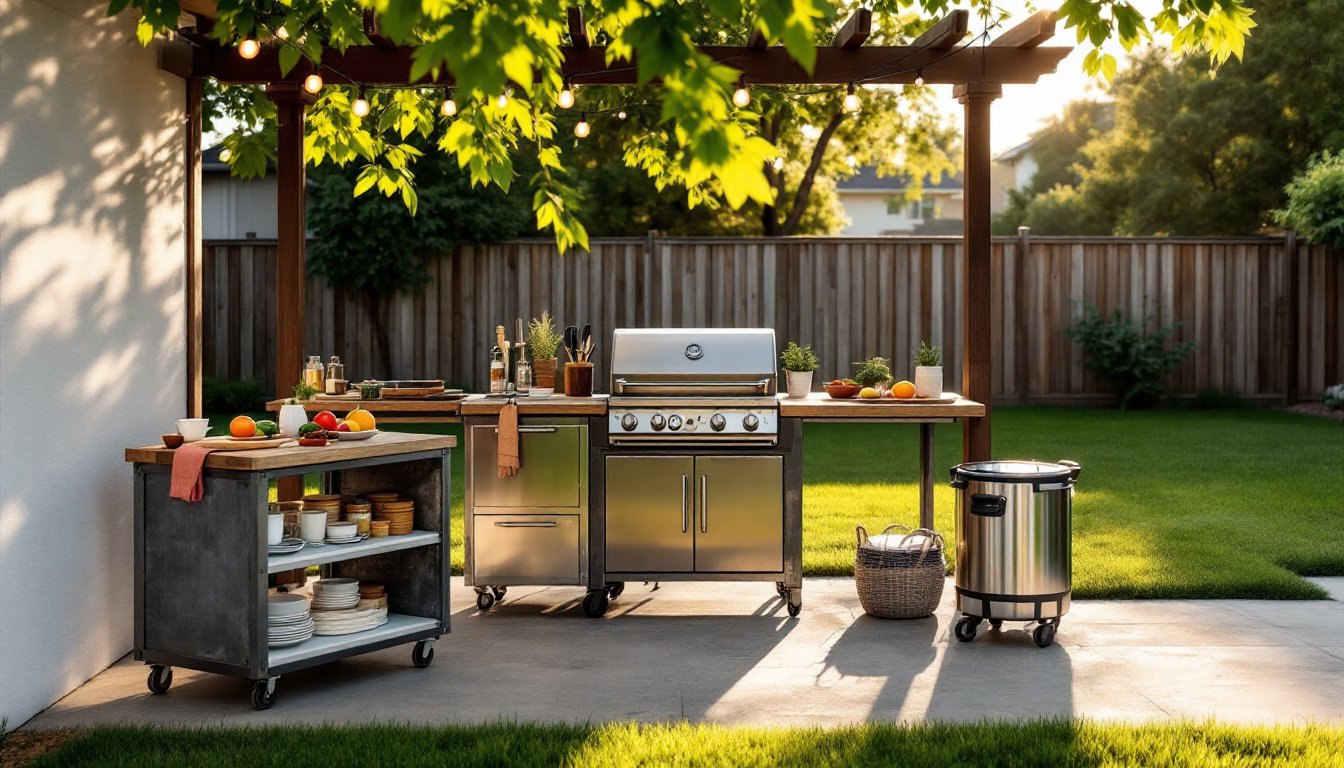
Beverage stations are the easiest entry point. A weatherproof cart or small cabinet near seating holds glassware, a cooler, and bottles. Position it away from direct sun to keep drinks cold and prevent label fading. A small sink with an outdoor faucet (installed during warmer months to allow drainage before freeze) makes cleanup quick.
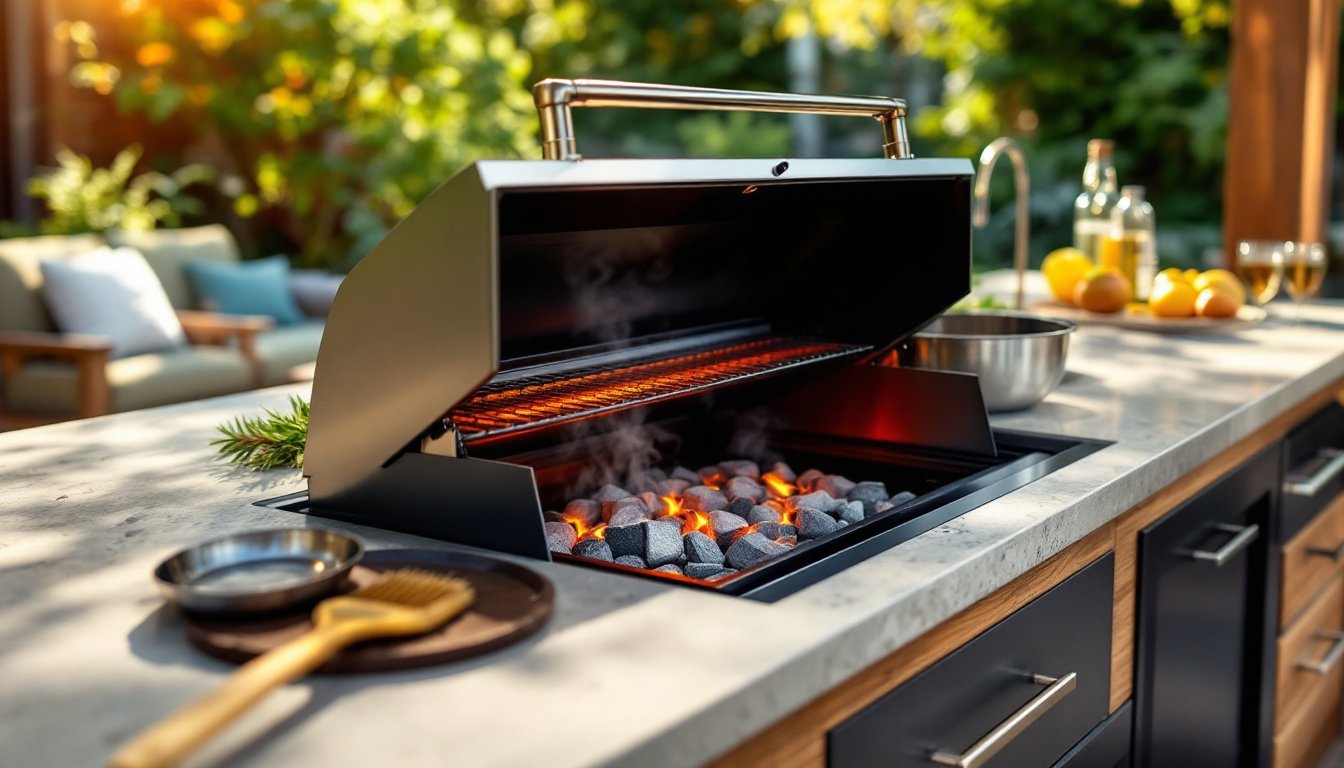
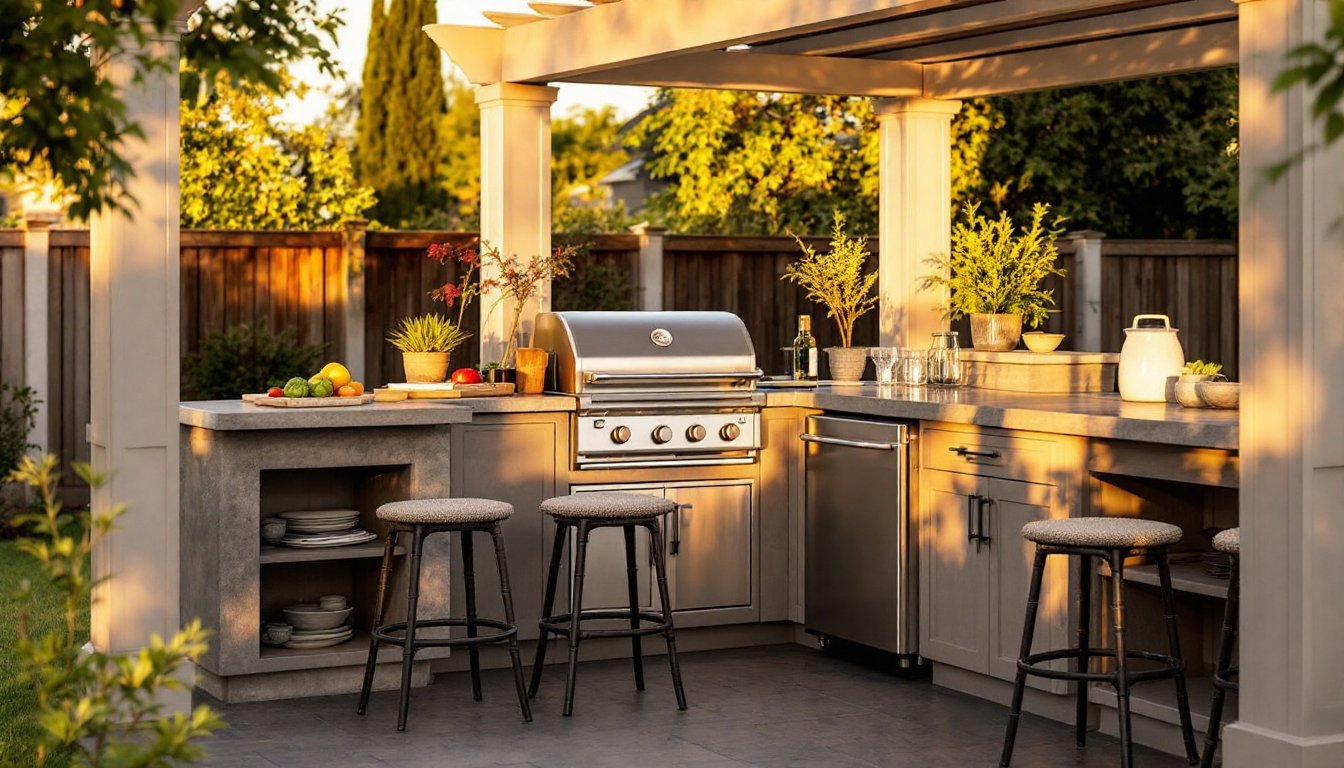
Grills and griddles are the next level. Permanent built-in grills require masonry work, electrical (if using pellet models), and often a permit. Free-standing gas or pellet grills are easier: they sit on a fireproof pad and connect to a propane tank or natural gas line. Pellet grills cost more ($500–$2,000+) but offer better temperature control and smoke flavor. Gas grills are faster and cheaper ($300–$1,500) but less versatile.
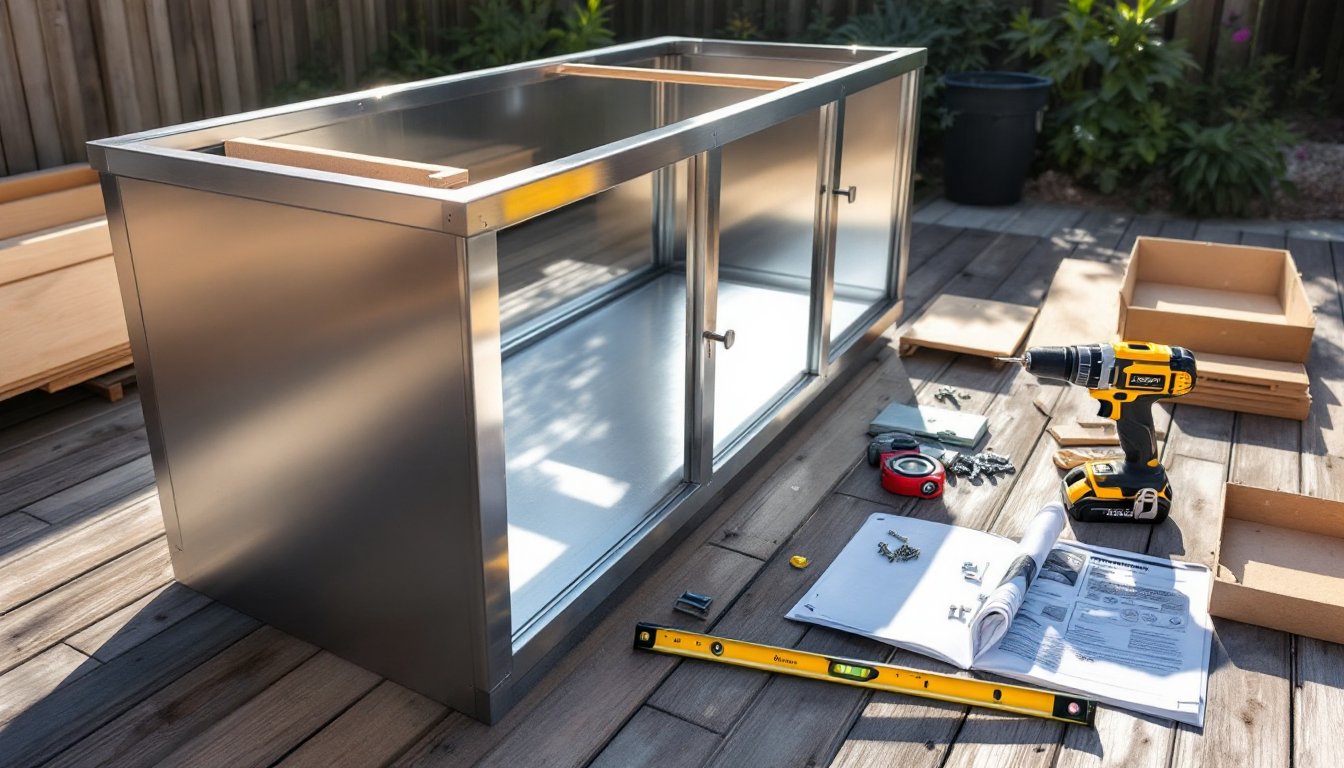
Countertop and prep space turns a grill into an actual cooking zone. A stainless steel table next to the grill, or built-in countertops of concrete, wood, or tile, provide chopping and staging surfaces. Concrete is durable but can crack in freeze-thaw cycles: use a sealer and let it cure fully before using.
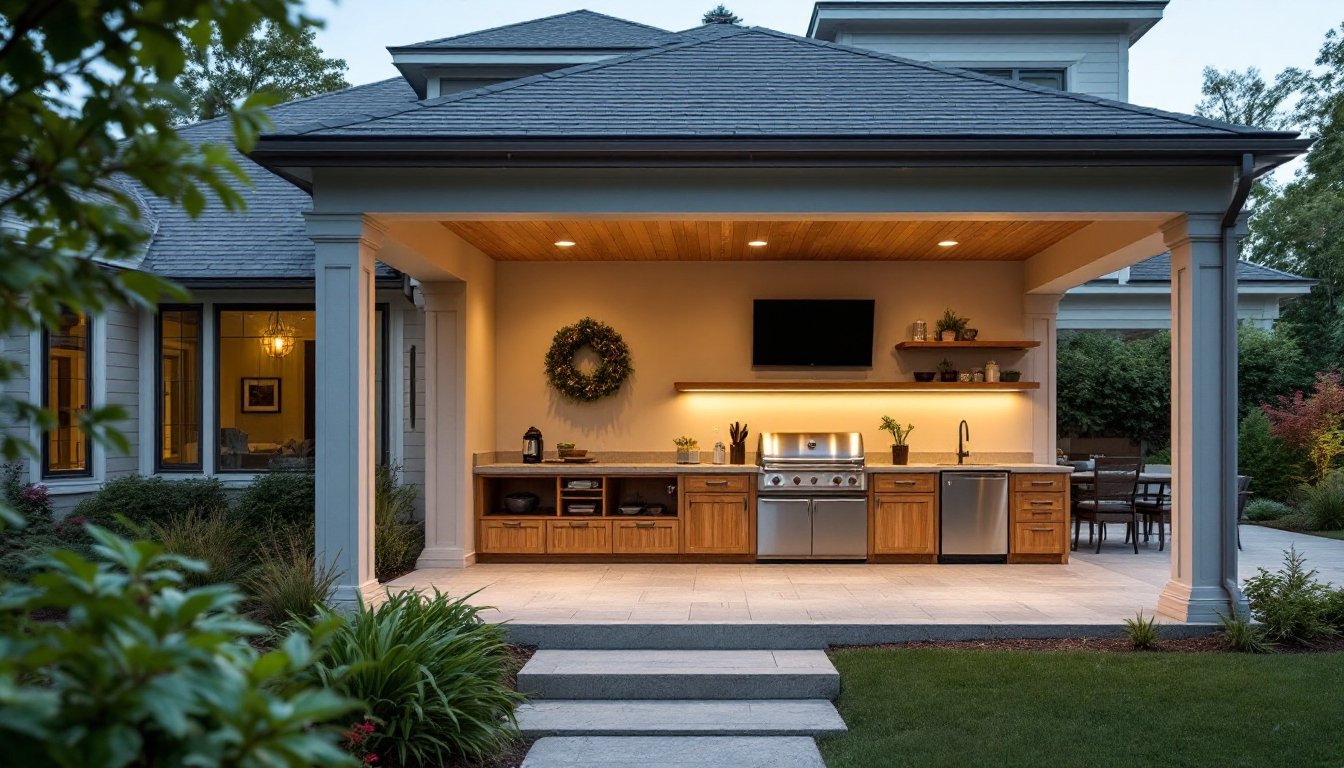
Locate the kitchen zone near the house for easy access to water and power. Keep it visible from seating so the cook isn’t isolated. How to Create the perfect outdoor living space includes zone planning, separate cooking, dining, and lounging areas so smoke and prep work don’t interfere with comfort.
Add Entertainment Features Like Fire Pits Or Water Elements
Entertainment features turn a living room into a gathering place people actually want to use into the evening.
Fire pits are powerful draws. A simple ring of stone or steel on a fireproof pad works for occasional use and costs under $200. Built-in fire pits set into a patio or raised seating wall cost more but integrate cleanly. Check local ordinances, many areas restrict open flames in residential zones or require permits. Propane fire bowls sidestep these rules: they’re portable, clean, and flameless (though less atmospheric than real fire). Natural gas lines are permanent and need a licensed installer.
Maintenance matters: keep flue and grates clear, store firewood away from the house, and install a spark screen if building codes require it. Some jurisdictions mandate fire extinguishers nearby. An outdoor furniture arrangement with seating around the pit (not directly facing) promotes conversation.
Water features, fountains, small ponds, or waterfall walls, add movement and sound that masks traffic noise. A simple plug-and-play fountain requires only a nearby outlet and hose. Larger features need planning for drainage and electrical safety. Better Homes & Gardens and similar design sites show endless inspiration, but start small if you’re experimenting.
Other entertainment options: an outdoor projector and screen for movie nights, a sound system (weatherproof Bluetooth speakers are affordable and effective), or a hot tub if space allows. Prioritize based on how you actually use the space, don’t buy features you’ll never use.
Conclusion
Building an outdoor living room isn’t about having a perfect Instagram yard, it’s about creating a space your family genuinely wants to inhabit. Start with solid seating and shade, layer in lighting and definition, and add features that match your actual lifestyle. The best designs solve real problems: UV exposure, nighttime usability, and intentional zones that prevent your patio from feeling like a forgotten corner of the property. Tackle projects incrementally, invest in durability over trends, and you’ll have a retreat that serves your family for years.