Table of Contents
ToggleYour backyard doesn’t need a five-figure renovation budget to look great. Cheap outdoor flooring ideas are reshaping how homeowners approach their outdoor spaces, turning unused yards into functional retreats without emptying the wallet. Whether you’re looking to create a seating area, define a fire pit zone, or build a complete patio, smart material choices can cut costs by half while delivering durability and style. This guide walks you through ten practical, budget-conscious options that actually work, from gravel foundations to stamped concrete finishes. You’ll learn what each option costs, how long it lasts, and whether it’s right for your space.
Key Takeaways
- Cheap outdoor flooring ideas like gravel, recycled asphalt, and mulch can transform your backyard for $0.50–$3 per square foot, cutting renovation costs by half compared to premium materials.
- Stamped concrete delivers a professional, high-end appearance at $5–$8 per square foot installed, making it a budget-friendly alternative to brick or stone pavers when professionally installed.
- Proper ground preparation—leveling, compacting, and applying landscape fabric—is essential for durability and longevity, regardless of which cheap outdoor flooring option you choose.
- Pallet decking offers near-free materials (under $100 for fasteners) for small seating areas, though it requires careful sourcing, structural planning, and refinishing every 2–3 years.
- Consider your climate, foot traffic, and maintenance tolerance when selecting cheap outdoor flooring, starting small to test materials before committing to larger projects.
Gravel and Crushed Stone: The Most Affordable Foundation
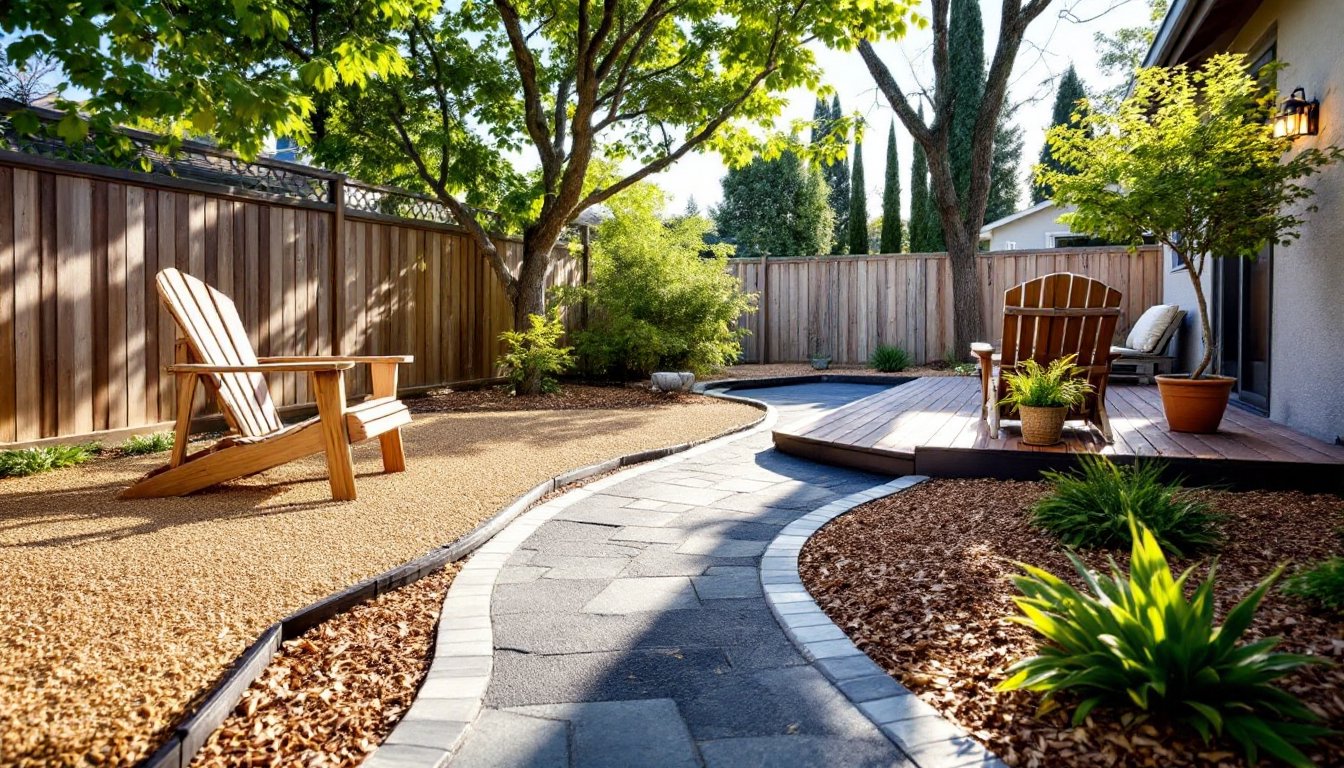
Gravel is the entry-level champion of outdoor flooring, cheap, fast to install, and surprisingly versatile. A typical crushed stone patio costs $1–$3 per square foot for material alone, making it one of the lowest-cost options available. You can create pathways, seating areas, or even large patios for a fraction of what concrete or pavers would cost.
Start by leveling and compacting the ground, removing any large rocks or debris. Lay down landscape fabric to suppress weeds and prevent gravel from sinking into soil. Add 2–4 inches of crushed stone or pea gravel (pea gravel is smoother underfoot and costs slightly more). Tamp it down every inch or two as you go. Pea gravel is comfortable to walk on barefoot, while angular crushed stone locks together better and requires less maintenance.
The trade-off? Gravel needs raking and top-ups every couple of years, especially in high-traffic areas. Weeds will still emerge around the edges, so plan for regular weeding or install metal or plastic edging to define the space. In climates with heavy rain or snow, gravel can shift and compact unevenly, not a permanent solution, but perfect for a temporary patio or testing a layout before upgrading to concrete or pavers later.
Recycled Asphalt: A Durable Yet Inexpensive Option
Recycled asphalt (also called RAP or reclaimed asphalt) is a middle-ground option between gravel and concrete. It’s leftover material from road repaving, crushed and reused. Costs typically run $0.50–$1.50 per square foot, and it’s harder and longer-lasting than crushed stone.
Recycled asphalt compacts and “welds” itself together over time, especially in warmer weather when residual asphalt binder reactivates. This gives it a semi-solid feel without the maintenance demands of loose gravel. Lay landscape fabric first, then add 2–3 inches of recycled asphalt. Compact it thoroughly with a plate compactor (you can rent one for $40–$60 per day) for better results.
The downside: it’s darker than gravel, absorbs and radiates more heat, and can track onto shoes or into the house. It also breaks down over time, so plan for refreshing the top layer every few years. In very wet climates, it can become muddy or develop washouts. But, for a budget-conscious driveway extension, secondary patio, or high-traffic area where durability matters more than aesthetics, recycled asphalt beats bare gravel every time.
Pallet Decking: Repurposed Materials on a Shoestring Budget
Pallet wood is abundant and free, or nearly free, if you know where to look. A full wood deck built from pallets can cost under $100 in fasteners and finishing materials, making it one of the cheapest flooring options. The catch is labor and time: building a solid deck frame from pallets demands careful planning and structural knowledge.
Simple pallet platforms work well for small seating areas, meditation zones, or garden beds. More ambitious projects, like a full-size deck or raised platform, require careful attention to load capacity, fastening, and weather exposure. Treated pallets (often marked “HT” for heat-treated) are safer than chemically treated ones (marked “DB”). Always verify a pallet’s history before bringing it into a food prep area.
How to Source and Prepare Free or Discounted Pallets
Retail stores, warehouses, and factories often give away pallets or sell them for $2–$5 each. Look for loading dock managers, ask at garden centers, or check local Facebook marketplace groups. Inspect each pallet for warping, rot, and loose boards before hauling it home.
Once sourced, disassemble carefully using a pallet buster tool or reciprocating saw fitted with a metal-cutting blade (wood splinters, so ear protection and goggles are essential). Sand rough surfaces and inspect for hidden nails. If building a raised platform or deck, use galvanized screws or bolts rated for outdoor use, never rely on rusty nails. Apply an outdoor wood sealant or stain to protect against rot and UV damage. Pallet decking won’t last as long as pressure-treated lumber or composite decking, so plan for refinishing every 2–3 years and replacement within 10 years depending on climate and foot traffic.
Stamped Concrete: Professional-Looking Results Without Premium Costs
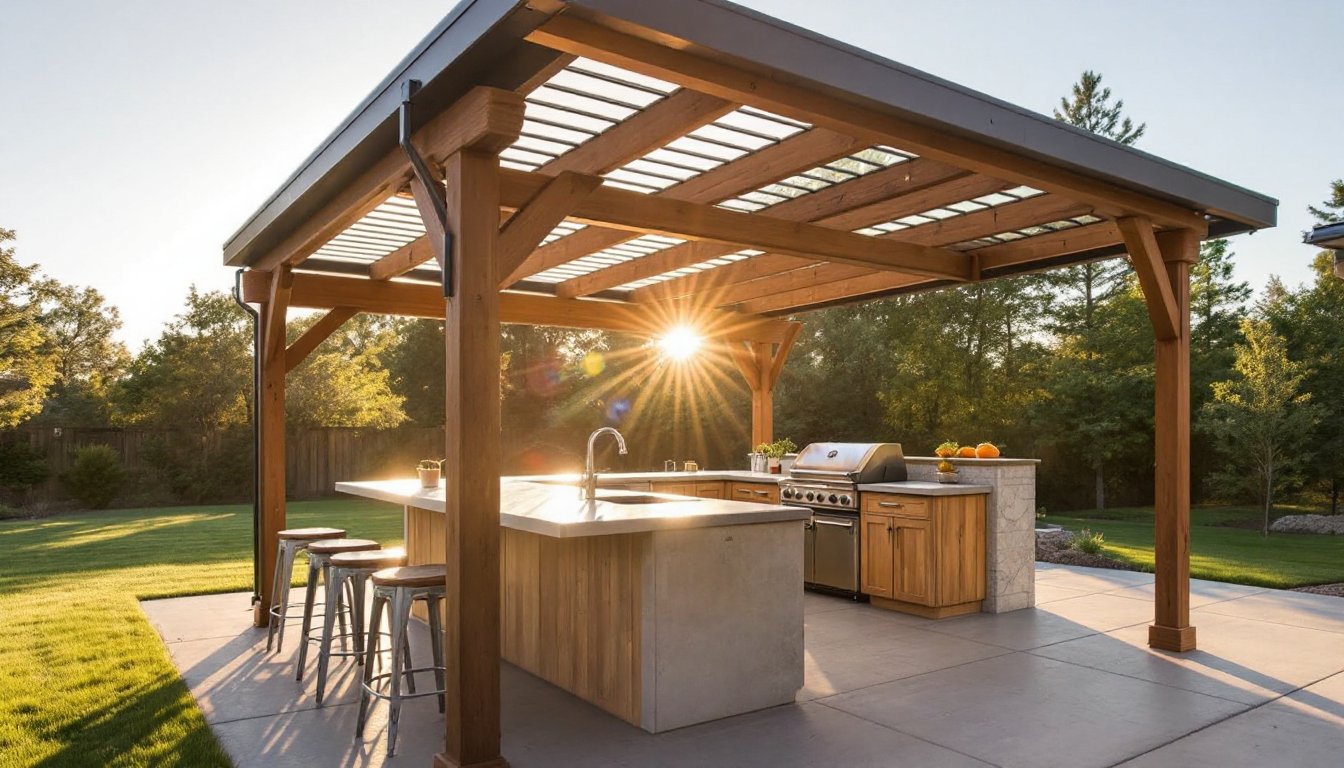
Stamped concrete looks high-end but costs far less than brick or stone pavers, typically $5–$8 per square foot installed. A concrete contractor applies stamps, stains, and sealers to create the illusion of stone, slate, or cobblestone. The results are durable, low-maintenance, and can genuinely transform a yard.
But, stamped concrete is a job for professionals unless you’re experienced with concrete work. Pouring, finishing, and stamping must happen within a narrow time window while the concrete is wet but set enough to accept the stamp pattern. Mistakes show permanently. Hire a licensed concrete contractor with stamped work in their portfolio, compare at least three quotes.
Stamped concrete holds up well in most climates and rarely needs repair beyond resealing every 2–3 years. The drawback: it can become slippery when wet (apply non-slip coating in rainy areas) and may crack in extreme freeze-thaw cycles, though quality work and proper base prep minimize this. Sealing is essential to prevent staining and extend life, <a href="https://curry-chef.com/outdoor-living-ideas/”>outdoor living ideas from landscape designers often pair stamped concrete with complementary hardscaping.
Mulch and Wood Chips: Soft, Natural, and Wallet-Friendly
Mulch and wood chips are the overlooked heroes of budget outdoor flooring. At $0.50–$1.50 per square foot, they create a natural, soft surface perfect for play areas, garden pathways, or casual seating zones. Unlike gravel, mulch is forgiving underfoot and looks intentionally landscaped rather than temporary.
Shredded hardwood mulch lasts 2–3 years before breaking down, while wood chips (larger, slower to decompose) can last 3–4 years. Lay landscape fabric first to suppress weeds, then apply 3–4 inches of mulch. As it decomposes, it enriches the soil, excellent news if the area borders garden beds. Edge the space with metal or plastic edging to keep mulch contained and define the area.
The maintenance: mulch compacts and thins over time, so you’ll need to top-up annually. It also attracts moisture-loving insects in damp climates and can develop fungal growth (usually harmless but aesthetically odd). In very wet areas, consider bark nuggets or cypress mulch instead, they resist rot better. Mulch isn’t ideal under foot traffic near the house, as bits track indoors, but for defining landscape zones, creating wildlife-friendly pathways, or building budget-conscious play areas, it’s hard to beat. Outdoor Living Trends 2026 emphasize blending hardscaping with natural materials, mulch fits that aesthetic perfectly.
Conclusion
Affordable outdoor flooring doesn’t mean sacrificing durability or style. Gravel, recycled asphalt, pallet wood, stamped concrete, and mulch each solve different problems at different budgets. Choose based on your climate, foot traffic, maintenance tolerance, and long-term vision for the space. Start small, test a material, and upgrade later if needed, your future self will appreciate the flexibility. The key to any cheap outdoor flooring project is honest prep work: level the ground, control weeds, and seal what needs sealing. Do that, and your budget backyard will feel intentional and built to last.