Table of Contents
ToggleAn outdoor living guide helps homeowners transform backyards, patios, and decks into functional extensions of their homes. Whether someone wants a quiet reading nook or a full outdoor kitchen, the right approach makes all the difference.
Outdoor spaces have become essential parts of modern homes. People use them for entertaining, relaxing, dining, and working remotely. A well-planned outdoor area adds value to property and improves daily life.
This outdoor living guide covers everything from initial design to long-term maintenance. Readers will learn how to choose furniture, create shade, set the right mood with lighting, and keep their space looking great year after year.
Key Takeaways
- A successful outdoor living guide starts with assessing your space, defining its purpose, and planning zones for dining, lounging, cooking, or relaxation.
- Choose durable outdoor furniture materials like teak, aluminum, or recycled plastic based on your climate and maintenance preferences.
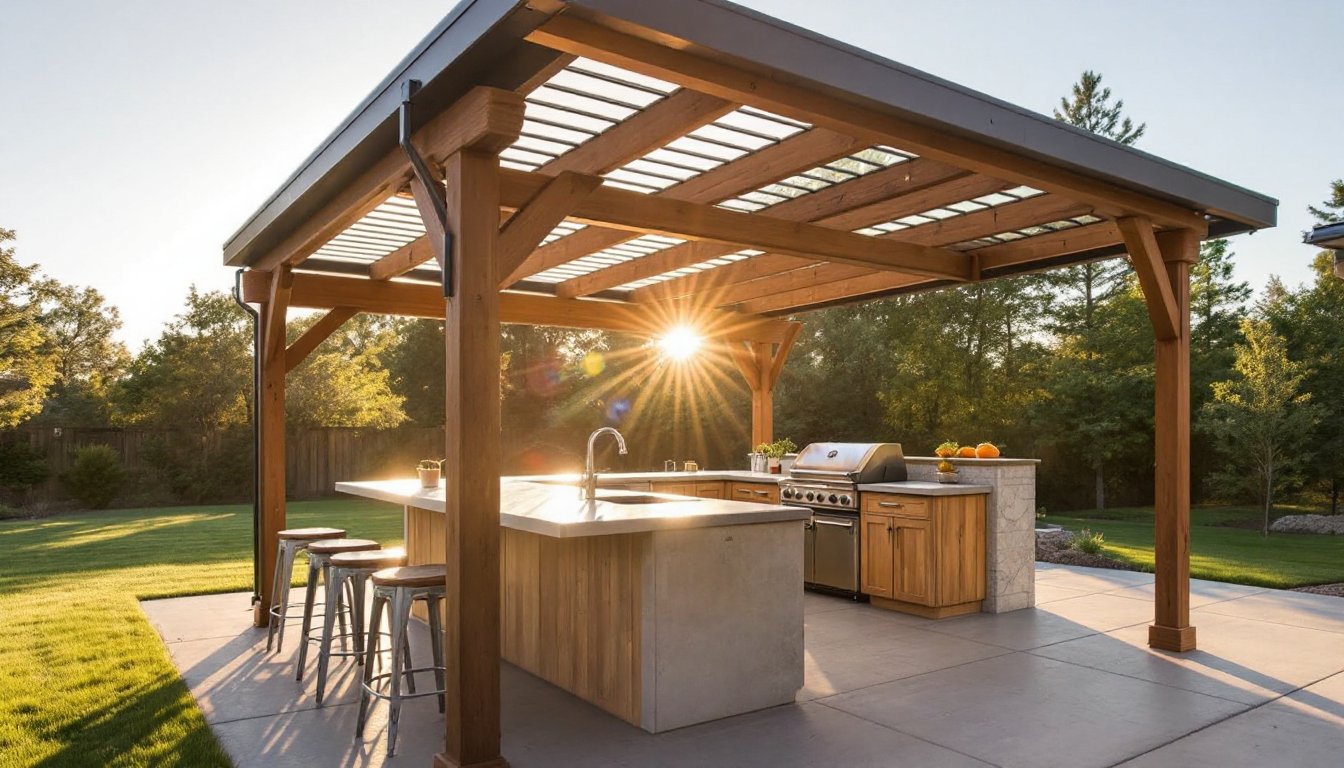
- Add shade through pergolas, umbrellas, or strategically planted trees to make your outdoor space comfortable throughout the day.
- Layer different lighting types—task, ambient, and pathway—to extend outdoor living hours and create the right mood for any occasion.
- Maintain furniture and surfaces with regular cleaning, seasonal storage, and timely repairs to protect your outdoor investment year after year.
Designing Your Ideal Outdoor Space
Good outdoor living starts with a solid plan. Before buying a single piece of furniture, homeowners should assess their available space and define their goals.
Assess the Space
Measure the area carefully. Note any slopes, drainage issues, or permanent features like trees and utility boxes. Sun exposure matters too, track which areas get morning light versus harsh afternoon heat.
Define the Purpose
Different activities require different setups. A family that loves grilling needs space for a cooking station and dining area. Someone who wants a peaceful retreat might prioritize comfortable seating and privacy plants.
Common outdoor living zones include:
- Dining areas for meals and gatherings
- Lounge zones with sofas and chairs
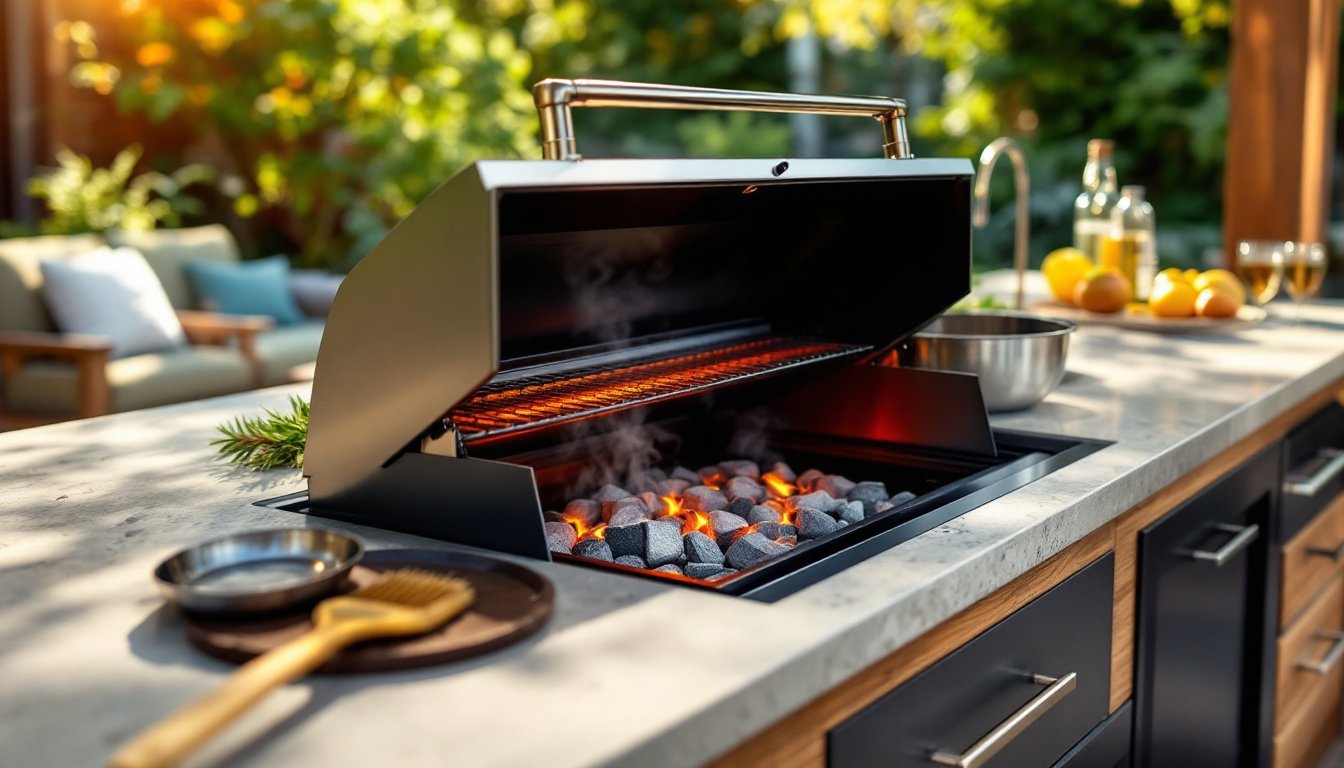
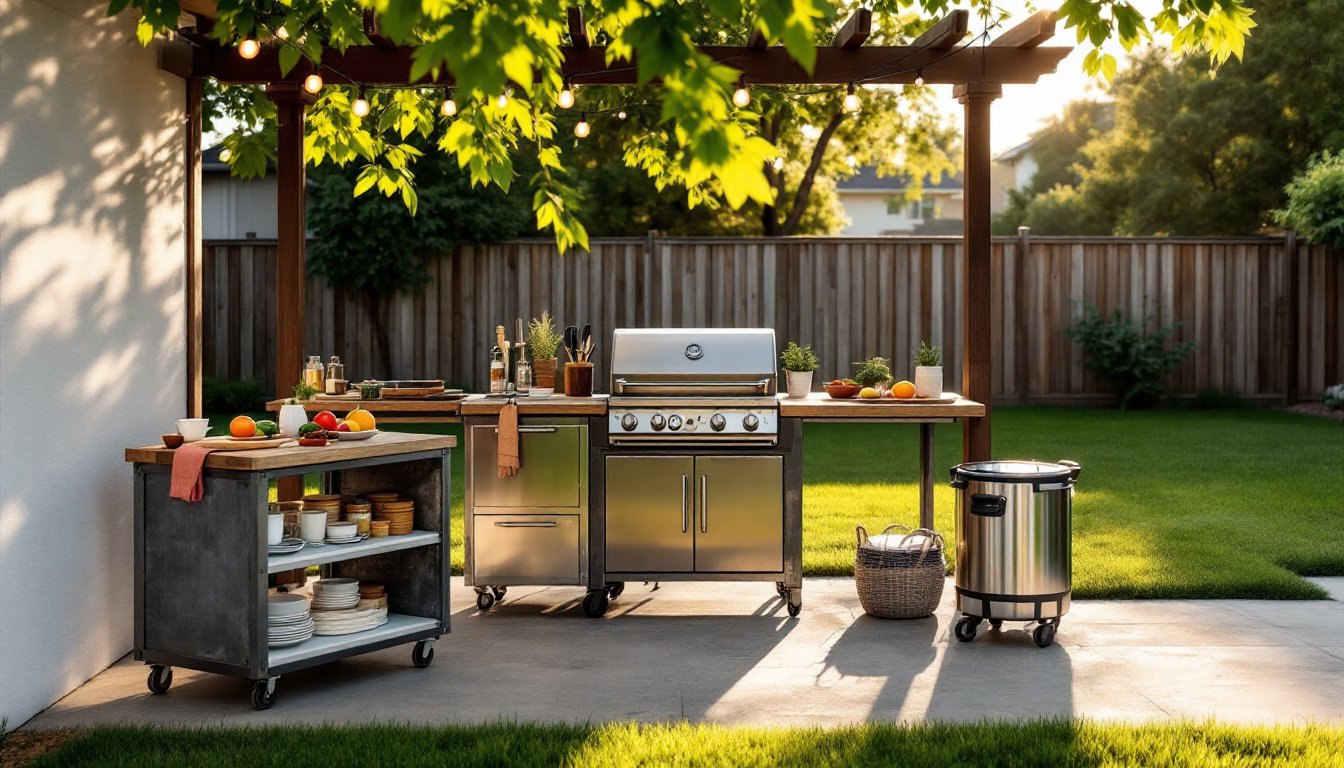
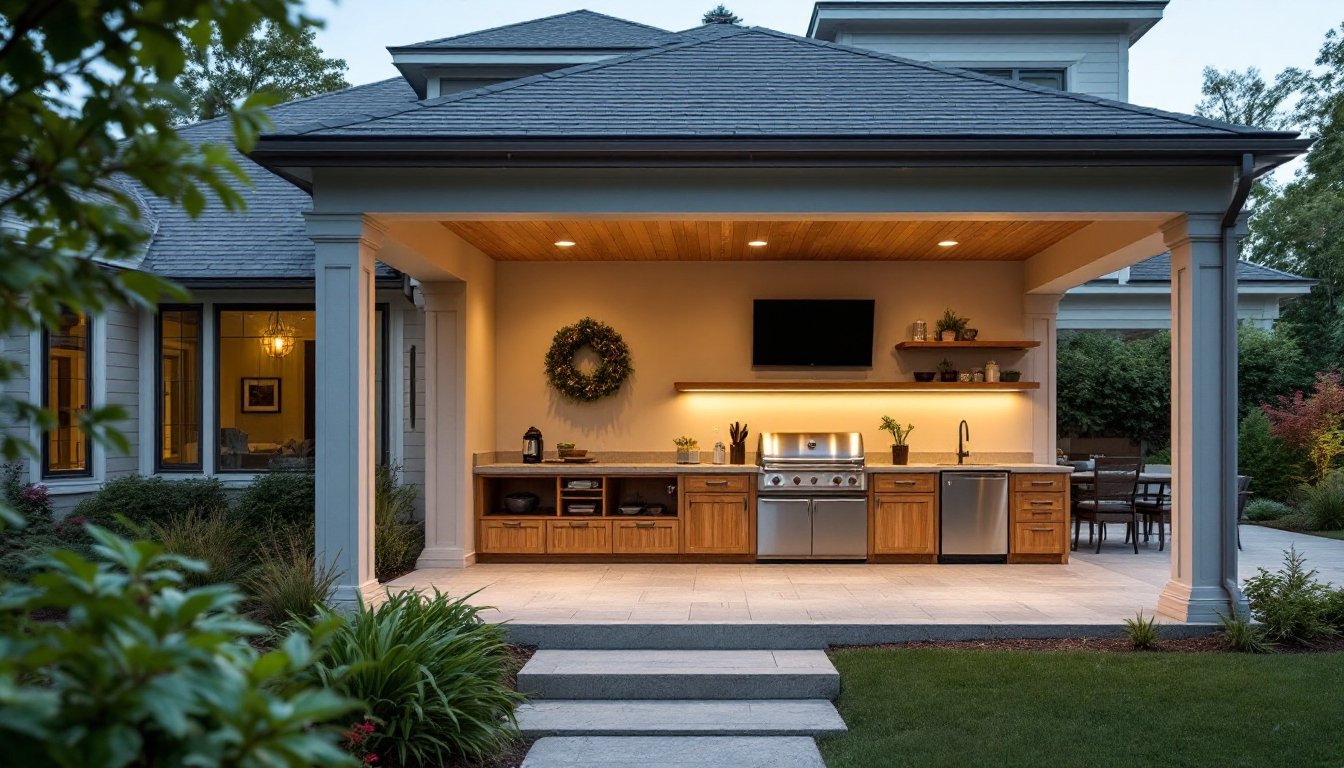
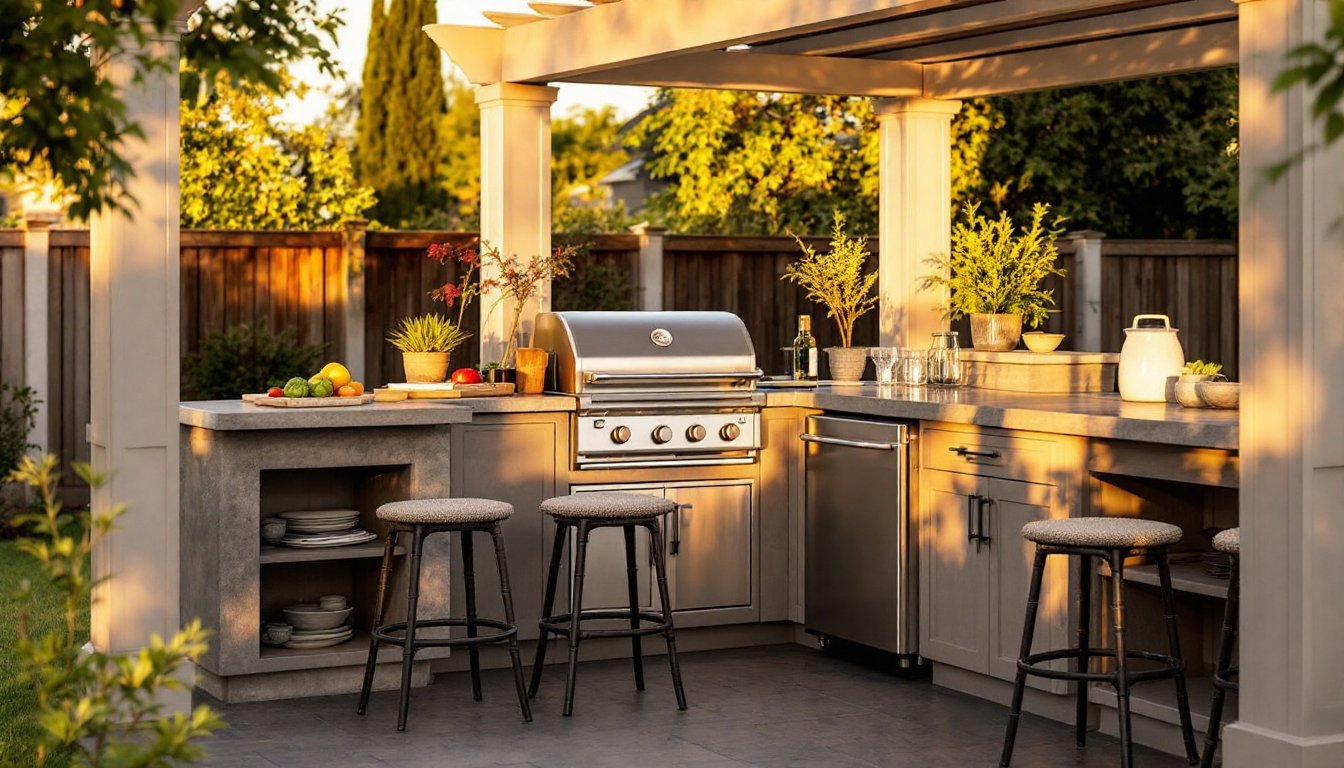
- Cooking stations with grills or full kitchens
- Fire pit areas for evening conversations
- Garden spaces for plants and relaxation
Consider Traffic Flow
People should move easily between zones. Leave clear pathways at least three feet wide. Position seating so guests don’t block access to the grill or door.
Work With Your Home’s Style
The outdoor area should feel connected to the house. A modern home pairs well with clean-lined furniture and minimalist planters. A cottage-style house looks better with wicker pieces and flowering containers.
This planning phase shapes every decision that follows in any outdoor living guide.
Essential Furniture and Decor Elements
Furniture defines how people use outdoor spaces. The right pieces invite relaxation while the wrong ones collect dust.
Seating Options
Outdoor sofas and sectionals work well for lounging. They come in aluminum, wicker, teak, and recycled plastic. Aluminum resists rust but can feel cold. Wicker offers a classic look but needs protection from heavy rain. Teak ages beautifully and lasts decades with minimal care.
Dining chairs should match the table height and style. Stackable options save space during off-seasons.
Tables and Surfaces
A dining table anchors the eating area. Standard outdoor tables seat four to eight people. Coffee tables and side tables provide spots for drinks and books in lounge zones.
Material choices include:
- Aluminum: Lightweight and rust-proof
- Teak: Durable and naturally weather-resistant
- Concrete: Heavy but extremely stable
- Glass with metal frames: Elegant but requires more cleaning
Cushions and Textiles
Outdoor fabrics have improved dramatically. Sunbrella and similar solution-dyed acrylics resist fading, mold, and mildew. They feel soft yet stand up to rain and sun.
Outdoor rugs define spaces and add color. They should dry quickly and resist mold.
Decorative Touches
Planters bring life to any outdoor living area. Mix sizes and heights for visual interest. Throw pillows add personality, just store them during storms. Outdoor artwork and sculptures create focal points without requiring much maintenance.
Creating Comfort Through Shade and Shelter
Direct sunlight limits usability. A shaded outdoor space stays comfortable from morning through evening.
Permanent Structures
Pergolas provide partial shade through their slatted roofs. They can support climbing plants like wisteria or grapes for additional coverage. A standard pergola costs between $2,000 and $6,000 installed.
Pavilions offer full coverage with solid roofs. They protect furniture from rain and sun but cost more, typically $5,000 to $15,000.
Retractable awnings attach to the house and extend when needed. They offer flexibility but require occasional maintenance on the mechanical parts.
Portable Solutions
Umbrellas remain the most affordable shade option. A quality cantilever umbrella costs $200 to $800 and covers a dining table or lounge area. They fold down for storage during winter.
Shade sails stretch between posts or attachment points. They create a modern look and cost less than permanent structures. But, they need removal during high winds.
Natural Shade
Trees provide the most cost-effective long-term shade. A well-placed deciduous tree blocks summer sun while allowing winter light through bare branches. It takes years for trees to mature, so this works best as a long-term outdoor living strategy.
Tall hedges and bamboo screens block low-angle sun while adding privacy. They require regular trimming but create a lush backdrop.
Outdoor Lighting and Ambiance
Good lighting extends outdoor living hours into the evening. It also improves safety and security.
Task Lighting
Grill areas and outdoor kitchens need bright, focused light. Wall-mounted fixtures or pendant lights over cooking surfaces prevent accidents and help with food prep. LED options use less energy and last longer than traditional bulbs.
Ambient Lighting
String lights create a warm, festive feel. They work well draped across pergolas or strung between posts. Commercial-grade versions last longer than cheap alternatives.
Lanterns and candles add flickering warmth. Battery-powered LED candles offer the look without fire risk. Real candles work too, citronella versions help repel mosquitoes.
Fire pits serve as both heat sources and ambient light. Gas fire pits ignite instantly and adjust easily. Wood-burning pits offer that authentic campfire experience but require more attention.
Pathway and Safety Lighting
Solar path lights mark walkways and steps. They charge during the day and glow at night without wiring. Quality varies widely, spend a bit more for consistent performance.
Step lights prevent trips on elevation changes. They install into risers or alongside treads.
Smart Controls
Timers and smart plugs automate outdoor lighting. Lights can turn on at sunset and off at bedtime without manual switches. Some systems connect to voice assistants for hands-free control.
This outdoor living guide recommends layering multiple light sources. The combination creates depth and allows different moods for different occasions.
Maintaining Your Outdoor Living Area
Regular maintenance keeps outdoor spaces attractive and extends the life of furniture and structures.
Furniture Care
Clean outdoor furniture at least twice per season. Most pieces need just soap, water, and a soft brush. Avoid pressure washers on wicker or cushioned items.
Teak furniture turns gray without treatment. Some people prefer this natural patina. Others apply teak oil annually to maintain the golden color.
Store cushions in dry locations during winter. Outdoor storage boxes or indoor closets work well. At minimum, stand cushions upright so water drains rather than pools.
Surface Maintenance
Sweep decks and patios weekly to prevent dirt buildup. Deep clean wood decks annually with a deck cleaner and stiff brush. Reseal or restain every two to three years depending on wear.
Concrete patios benefit from annual pressure washing. Seal them every few years to prevent staining and cracking.
Fabric Protection
Brush off debris before it works into outdoor fabric fibers. Treat stains promptly with mild soap. Most outdoor fabrics can handle diluted bleach for tough mold spots.
Seasonal Prep
Before winter, drain and cover fire pits. Store or cover furniture. Disconnect and drain any water features.
In spring, inspect everything before use. Check for rust, loose screws, and fabric damage. Address small problems before they become expensive repairs.
A consistent maintenance schedule protects the investment made in any outdoor living setup.